
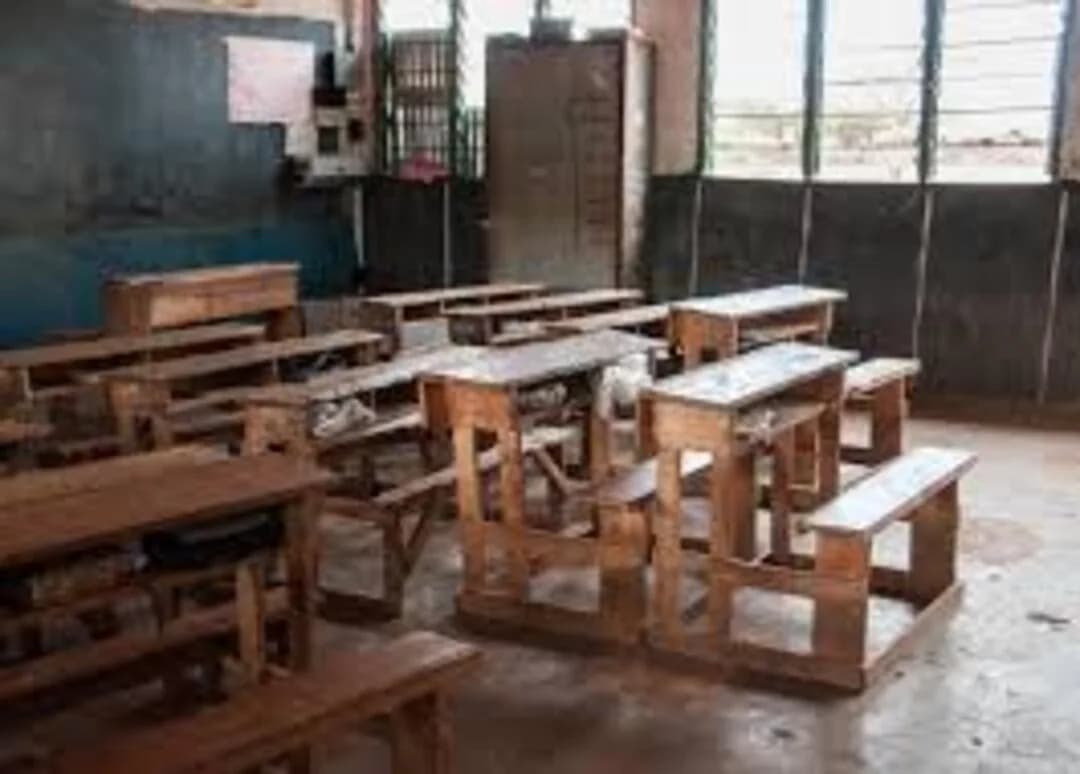
The number of children and young people out of school has risen for the seventh consecutive year, reaching 273 million, UNESCO warned in its 2026 Global Education Monitoring Report released in March. The report, considered the world's primary reference on the state of education, attributes the sustained increase to population growth, ongoing conflicts, and shrinking education budgets. One in six children of school age worldwide are currently excluded from education, and only two in three students complete secondary school. Progress has slowed across nearly every region since 2015, with the sha
The number of children and young people out of school has risen for the seventh consecutive year, reaching 273 million, UNESCO warned in its 2026 Global Education Monitoring Report released in March.
The report, considered the world's primary reference on the state of education, attributes the sustained increase to population growth, ongoing conflicts, and shrinking education budgets. One in six children of school age worldwide are currently excluded from education, and only two in three students complete secondary school.
Progress has slowed across nearly every region since 2015, with the sharpest deceleration recorded in sub-Saharan Africa, largely due to rapid population growth. Conflict has compounded the crisis, with over one in six children living in conflict-affected areas, representing millions of additional children out of school beyond those captured in official statistics.
UNESCO Director-General Khaled El-Enany acknowledged the alarming trend but pointed to areas of progress. "Since the year 2000, enrolment in primary and secondary education has increased overall by 30%, and many countries are making meaningful progress," El-Enany said, adding that UNESCO remains committed to working with governments and partners to expand learning opportunities for all.
Several countries have recorded significant gains. Ethiopia's primary enrolment rate grew from 18 percent in 1974 to 84 percent in 2024, while Côte d'Ivoire halved its out-of-school rates across all three age groups over the same period. Gender gaps in primary and secondary education have also largely closed on average globally.
However, the report warns that at current rates of expansion, the world would not achieve 95 percent upper secondary completion until 2105.
The report also flags the growing risk posed by retreating donor funding. School feeding programs, present in 84 percent of countries, and school grant schemes that were never fully absorbed into national budgets now face collapse as international financing pulls back.
UNESCO said no single policy can address the exclusion crisis, and called on governments to build responses around local realities and evidence-based approaches. The organization said it would continue working with governments and partners to shape the global education agenda beyond 2030.



Comments
No comments yet. Be the first to share a thought.