
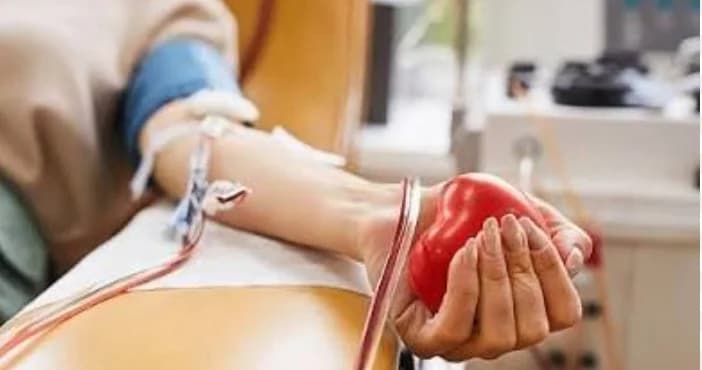
For more than a decade, I have donated blood, and one truth has remained constant throughout that time: a single donation can make a meaningful difference. Many people have asked what actually happens during blood donation and why it is so important. In light of the recent terror attack at Bondi Beach, those questions have taken on renewed urgency. Blood donation is a safe and simple process. Donors first undergo a brief health and eligibility check to ensure it is safe to proceed. The donation itself usually takes about 10 to 15 minutes for whole blood, while plasma and platelet donations t
For more than a decade, I have donated blood, and one truth has remained constant throughout that time: a single donation can make a meaningful difference. Many people have asked what actually happens during blood donation and why it is so important. In light of the recent terror attack at Bondi Beach, those questions have taken on renewed urgency. Blood donation is a safe and simple process. Donors first undergo a brief health and eligibility check to ensure it is safe to proceed. The donation itself usually takes about 10 to 15 minutes for whole blood, while plasma and platelet donations take longer. Afterward, donors are encouraged to rest briefly and have refreshments to support recovery. The impact of this process is significant. One blood donation can help save up to three lives. Blood is vital not only for emergency and trauma care but also for routine surgeries, cancer treatment, and the ongoing care of people with chronic illnesses. Hospitals depend on a stable and reliable blood supply every day. Following the Bondi Beach attack, Australians responded with extraordinary compassion. On the Monday after the incident, nearly 50,000 appointments were booked nationwide to donate blood, plasma, and platelets, more than double the previous national record for a single day. On that day alone, more than 7,800 donations were made across the country. This unprecedented response reflected a strong sense of national solidarity. With many people injured and hospitals facing urgent demand, Australians lined up for hours at donation centres, offering practical help during a time of crisis. However, health authorities have stressed that the need for blood donations does not end once public attention fades. Blood supplies remain limited, and demand continues year-round, particularly for blood types such as O-negative, which are critical in emergencies. Because blood products have a short shelf life, regular donations are essential to maintaining adequate supplies. Even when donation centres are fully booked in the immediate aftermath of major events, scheduling an appointment in the weeks that follow remains just as important. Each donation contributes to the ongoing stock that hospitals rely on to save lives every day. Eligible donors can give blood, plasma, or platelets by visiting a Lifeblood donor centre, booking through the Lifeblood app, or calling 13 14 95. These donations support medical care across the health system, from emergency departments to cancer treatment units. Blood donation is a simple act with lasting impact. In moments of crisis and in times of calm, donors provide a vital lifeline to people who are injured, ill, or undergoing treatment.



Comments
No comments yet. Be the first to share a thought.