
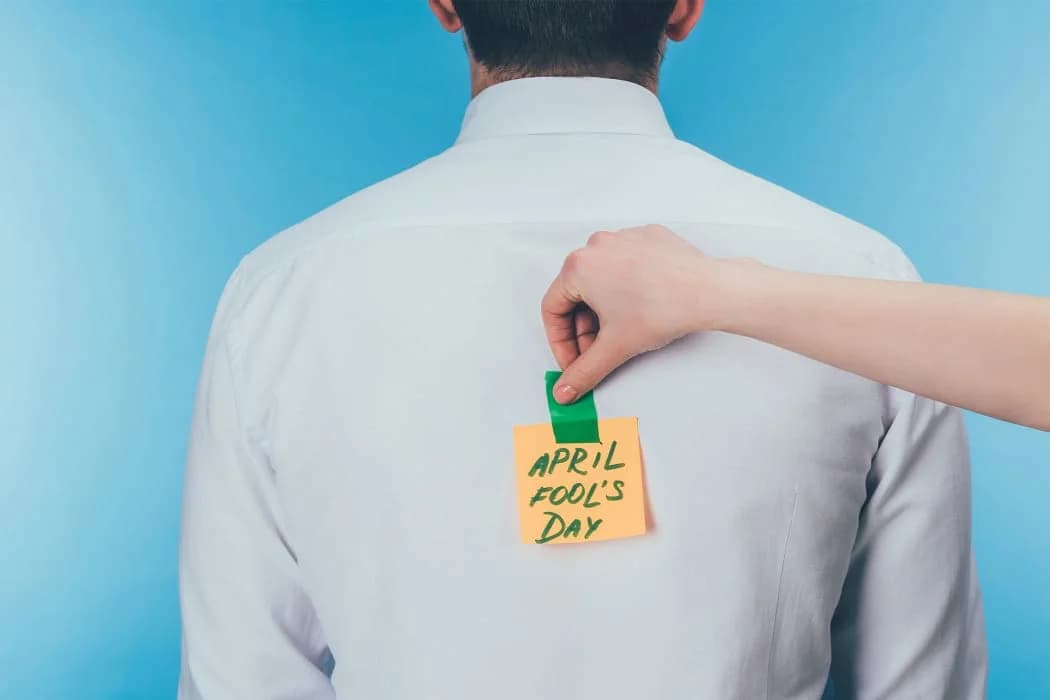
Today we celebrate April’s fool day, from spaghetti growing trees to left-handed burgers, April 1st has long been the playground for tricksters and pranksters alike. While today is marked by fake news and office gags, the origins of this mischievous holiday are as elusive as a successful prank, stretching back through centuries of calendar confusion and ancient spring fever. The most popular theory dates back to 1564 in France. When King Charles IX moved the new year from the end of March to January 1st to align with the Gregorian calendar, not everyone got the memo. Those who continued to ce
Today we celebrate April’s fool day, from spaghetti growing trees to left-handed burgers, April 1st has long been the playground for tricksters and pranksters alike. While today is marked by fake news and office gags, the origins of this mischievous holiday are as elusive as a successful prank, stretching back through centuries of calendar confusion and ancient spring fever. The most popular theory dates back to 1564 in France. When King Charles IX moved the new year from the end of March to January 1st to align with the Gregorian calendar, not everyone got the memo. Those who continued to celebrate in April were mocked as April fools. People would play tricks on them, such as pinning paper fish to their backs, a tradition still known in France as poisson d’Avril (April fish). Others argue the day is a descendant of the Roman festival of Hilaria, a celebration of the vernal equinox where citizens dressed in disguises and mocked their local politicians. Even in the 1300s, Geoffrey Chaucer’s the Canterbury Tales hinted at foolish dates, suggesting that humans have simply been looking for an excuse to mess with each other for over 600 years.
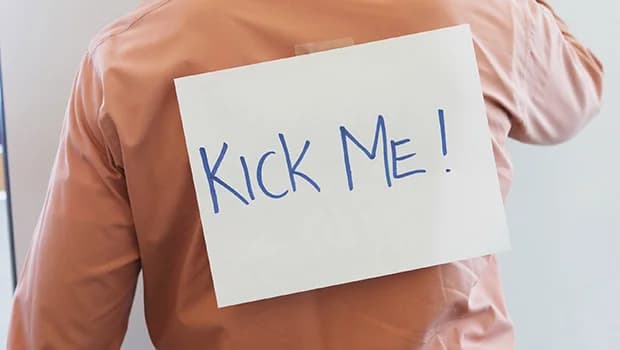
In the modern era, the media has taken pranking to a professional level. In 1957, the BBC famously convinced thousands of viewers that Swiss farmers were harvesting spaghetti from trees. Decades later, in 1998, Burger King announced a left-handed whopper designed to let condiments drip in the opposite direction, leading to thousands of customers actually trying to order one. Whether you’re pinning a kick me sign on a friend or dodging a corporate hoax online, April fools' day remains a rare moment of collective levity. It serves as a reminder to stay sharp, question what we see, and most importantly, never take ourselves too seriously. Just remember the golden rule of the UK tradition, if you play a prank after 12:00 PM, you’re officially the fool yourself.



Comments
No comments yet. Be the first to share a thought.