
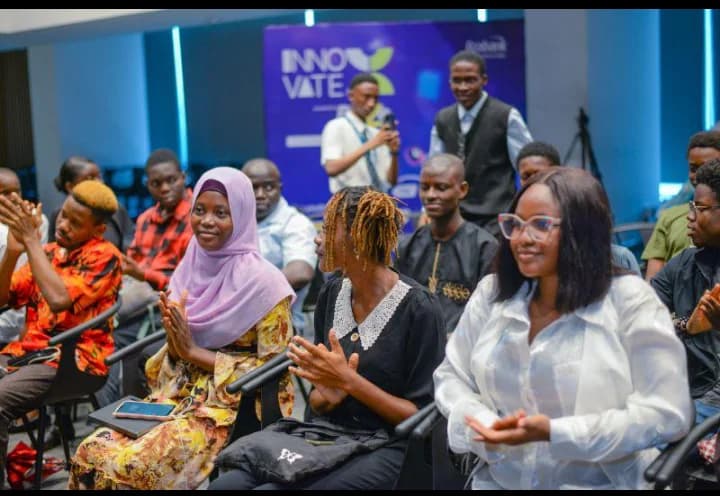
For decades, African politics has largely been associated with experienced political elites and long-serving leaders. However, beneath the surface, a quieter but more significant transformation is taking place. Millions of young Africans are gradually becoming influential voices in shaping governance, demanding accountability and proposing innovative solutions to national challenges. Their influence may not always dominate newspaper headlines, but it is steadily changing the political landscape across the continent. Africa is home to the world's youngest population, with more than sixty perce
For decades, African politics has largely been associated with experienced political elites and long-serving leaders. However, beneath the surface, a quieter but more significant transformation is taking place. Millions of young Africans are gradually becoming influential voices in shaping governance, demanding accountability and proposing innovative solutions to national challenges. Their influence may not always dominate newspaper headlines, but it is steadily changing the political landscape across the continent. Africa is home to the world's youngest population, with more than sixty percent of its people under the age of 25. This demographic advantage presents both an opportunity and a challenge. If governments invest in education, innovation and employment, young people could become the driving force behind one of the greatest economic transformations in modern history. On the other hand, ignoring their aspirations could increase social and political frustrations in many countries. Unlike previous generations, today's African youth are highly connected through smartphones, social media and digital platforms. These technologies have enabled young citizens to discuss public policy, expose corruption, monitor elections and organize community initiatives without relying entirely on traditional political structures. Digital communication has become one of the most powerful tools for civic participation, allowing ideas to spread across borders within minutes. Another noticeable trend is the rapid growth of entrepreneurship among young Africans. Across the continent, startups are emerging in sectors such as financial technology, agriculture, renewable energy, healthcare and education. Many of these businesses are solving problems that governments have struggled to address for years. Their success demonstrates that political development is no longer limited to elections or government institutions—it also depends on citizens creating practical solutions for society. Political analysts argue that governments willing to engage young people in decision-making are more likely to achieve long-term stability. Youth participation strengthens democratic institutions because it introduces fresh perspectives, encourages transparency and improves trust between leaders and citizens. Countries that create opportunities for young professionals and innovators are also better positioned to compete in the global economy. Despite this growing momentum, several obstacles remain. High unemployment, limited access to quality education, unequal economic opportunities and political polarization continue to affect millions of young Africans. Addressing these issues requires cooperation between governments, private businesses, educational institutions and civil society organizations. Sustainable development cannot be achieved if the continent's largest demographic group remains underrepresented. The future of African politics may not be defined solely by those currently holding public office. Instead, it could increasingly be shaped by young entrepreneurs, innovators, journalists, community leaders and digital creators who are already influencing public opinion and national conversations. Their voices represent a generation determined not only to inherit Africa's future but to actively build it.






Comments
No comments yet. Be the first to share a thought.