
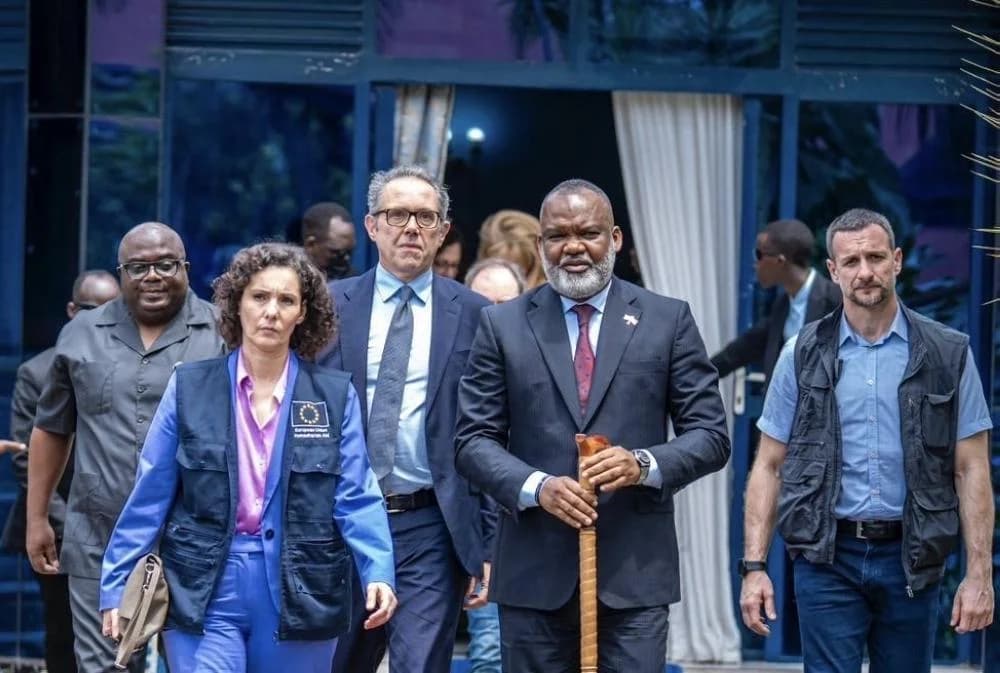
In the tense hills of eastern Democratic Republic of Congo, diplomacy has once again taken centre stage. A recent meeting in Goma on February 20 between the Alliance Fleuve Congo and the March 23 Movement, operating under the AFC/M23 coalition, and the European Union has drawn cautious attention across the region, raising urgent questions about whether humanitarian engagement can open space for broader political progress. European Commissioner Hadja Lahbib met AFC/M23 coordinator Corneille Nangaa in the rebel-controlled city. Participants described the discussions as “frank and constructive,”
In the tense hills of eastern Democratic Republic of Congo, diplomacy has once again taken centre stage. A recent meeting in Goma on February 20 between the Alliance Fleuve Congo and the March 23 Movement, operating under the AFC/M23 coalition, and the European Union has drawn cautious attention across the region, raising urgent questions about whether humanitarian engagement can open space for broader political progress.
European Commissioner Hadja Lahbib met AFC/M23 coordinator Corneille Nangaa in the rebel-controlled city. Participants described the discussions as “frank and constructive,” focusing on the deteriorating humanitarian situation in eastern Congo. Lahbib called the crisis “catastrophic,” citing rising displacement, food insecurity, and civilian casualties as fighting continues across North Kivu and surrounding areas. Aid agencies have struggled to reach vulnerable communities amid shifting frontlines, making guaranteed access an urgent priority.
While the meeting did not produce a ceasefire, diplomats indicated that humanitarian corridors could serve as a first step toward rebuilding confidence. One regional diplomatic source described ensuring access as “the essential first step” before any political negotiations could advance. Yet reports of ceasefire violations and clashes underline the fragility of the moment.
The AFC/M23 rebellion has significantly altered the security landscape in eastern DRC, intensifying regional tensions and drawing in multiple armed actors. Kinshasa has repeatedly accused the rebels and their alleged backers of destabilising the country, while AFC/M23 leaders frame their campaign as a political and security struggle rooted in longstanding grievances.
Previous mediation efforts, including initiatives led by Angola and Qatar, have stalled amid mistrust and renewed hostilities. Sanctions imposed by international actors, including the EU, have further complicated prospects for sustained dialogue.
An EU official acknowledged the complexity of the crisis, noting that in areas where armed groups have withdrawn it remains difficult to determine responsibility for abuses, reflecting overlapping militias and security forces. European officials say the most immediate test will be whether humanitarian corridors are established and maintained. Success would mark a limited but tangible breakthrough in a conflict that has repeatedly defied diplomatic solutions.
The talks could also feed into broader regional processes if European engagement aligns with African-led mediation efforts. Without a comprehensive ceasefire or political roadmap, sporadic violence could quickly undermine any progress.
For now, the engagement between AFC/M23 and the European Union signals that communication channels remain open despite ongoing hostilities. The meeting did not deliver peace, but in a protracted conflict where dialogue often collapses, keeping discussions alive represents a modest yet significant step forward.



Comments
No comments yet. Be the first to share a thought.