
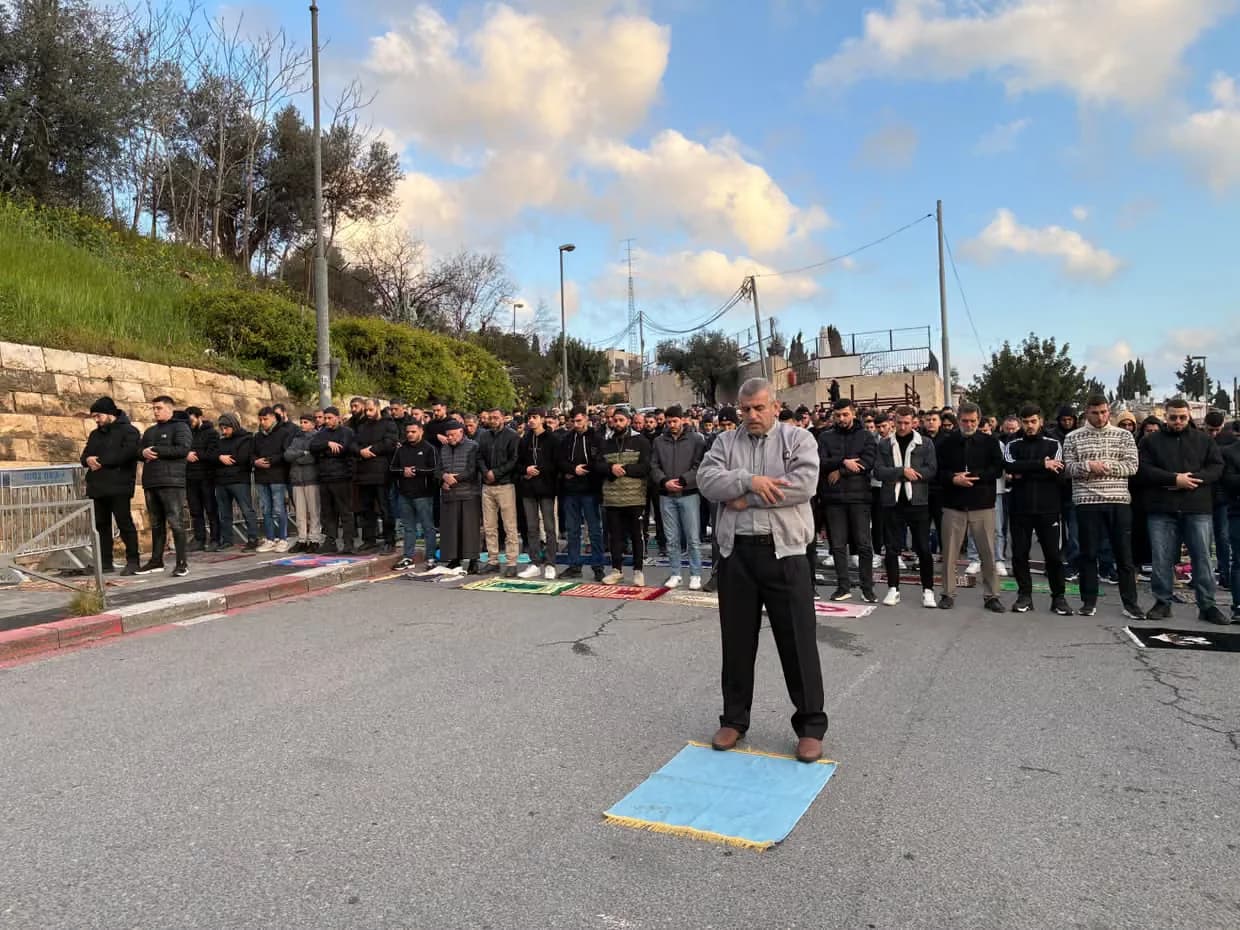
For the first time in what observers described as decades, al-Aqsa mosque in Jerusalem was closed for Friday prayers at the end of Ramadan, forcing worshippers to pray outside the Old City amid heightened tensions. Israeli authorities maintained the closure, citing security concerns related to the February 28 U.S.-Israeli strikes on Iran. Hundreds of worshippers gathered outside the gates of the Old City, as barricades prevented access to the mosque complex, known to Muslims as al-Haram al-Sharif and to Jews as the Temple Mount. Hazen Bulbul, a Jerusalem resident quoted by The Guardian , descr
For the first time in what observers described as decades, al-Aqsa mosque in Jerusalem was closed for Friday prayers at the end of Ramadan, forcing worshippers to pray outside the Old City amid heightened tensions. Israeli authorities maintained the closure, citing security concerns related to the February 28 U.S.-Israeli strikes on Iran.
Hundreds of worshippers gathered outside the gates of the Old City, as barricades prevented access to the mosque complex, known to Muslims as al-Haram al-Sharif and to Jews as the Temple Mount. Hazen Bulbul, a Jerusalem resident quoted by The Guardian, described the day as “the saddest day for Muslim worshippers in Jerusalem,” and expressed concern it could set a precedent.
Palestinians have accused Israel of using security tensions to tighten restrictions on the mosque. In recent months, arrests of worshippers and religious staff, alongside incursions by Israeli settlers, have increased. Many Palestinian shopkeepers were barred from opening businesses, with only pharmacies and essential food stores operating.

Israeli security forces have prevented worshippers from entering the complex of al-Aqsa mosque. /Getty Images
Sheikh Ekrima Sabri, the mosque’s preacher and former grand mufti of Jerusalem, urged Muslims to pray at the closest possible point to the mosque. Israeli forces maintained a heavy security presence in the Old City, carrying out searches and confronting residents.

Sheikh Ekrima Sabri, the preacher of Jerusalem's Al-Aqsa mosque, February 21, 2024. /REUTERS
The closure drew condemnation from the Arab League, the Organisation of Islamic Cooperation, and the African Union Commission. In a joint statement, they described the closure as “a grave violation of the existing historical and legal status quo in the Islamic and Christian holy sites in the occupied city of Jerusalem” and said Israel “bears full responsibility for the consequences of these illegal and provocative measures.”
Palestinians gather outside the Old City walls to pray in protest of the closure of al-Aqsa mosque. /Getty Images
Meanwhile, in Gaza, Eid celebrations were overshadowed by ongoing airstrikes and displacement. Sadeeqa Omar, a displaced mother, said, “The joy of Eid is incomplete… still, we try as much as we can to follow our religious teachings, which encourage us to show joy during Eid.” Residents marked the holiday amid ruins, with limited access to traditional foods and a fragile sense of security following the reopening of the Rafah border crossing for UN aid convoys.



Comments
No comments yet. Be the first to share a thought.