
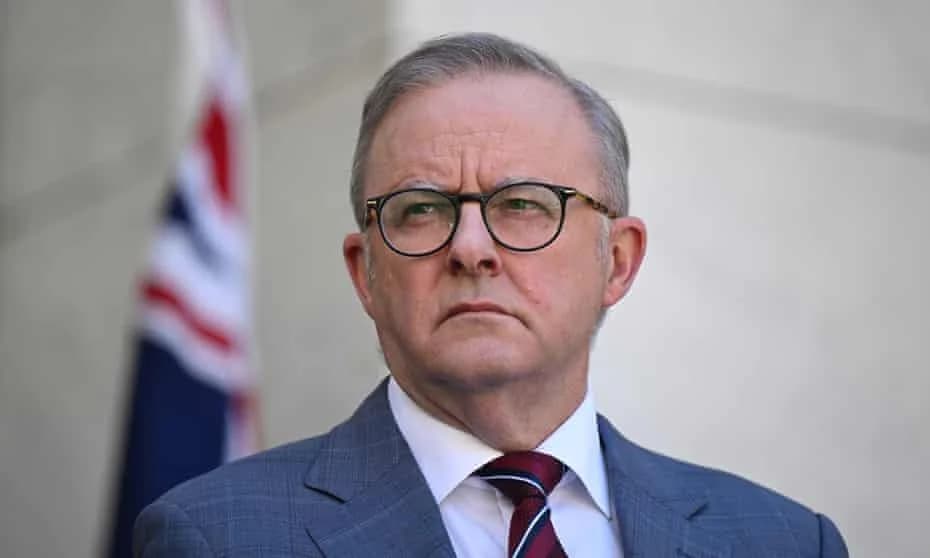
The Albanese government finds itself in a precarious position as Australia approaches the next election cycle. Despite recently passing a series of new laws, the administration faces mounting voter dissatisfaction, particularly in critical policy areas such as housing affordability and wage growth. According to the latest Guardian Essential poll, 53% of voters rated the government’s performance in addressing housing costs as “poor.” Similarly, only 35% believe Labor has effectively managed efforts to increase wages, indicating widespread disillusionment. These concerns compound other challeng
The Albanese government finds itself in a precarious position as Australia approaches the next election cycle. Despite recently passing a series of new laws, the administration faces mounting voter dissatisfaction, particularly in critical policy areas such as housing affordability and wage growth. According to the latest Guardian Essential poll, 53% of voters rated the government’s performance in addressing housing costs as “poor.” Similarly, only 35% believe Labor has effectively managed efforts to increase wages, indicating widespread disillusionment. These concerns compound other challenges facing the government. Controversies surrounding gambling advertisements on platforms like Spotify and the plight of Aboriginal communities denied safe drinking water in remote regions add to public scrutiny. Additionally, international tensions, such as renewed hostilities between Israel and Lebanon, and domestic criticisms over policies—like Joe Biden’s controversial decision to pardon his son—highlight the complex geopolitical landscape affecting Australia. As the election looms, the Albanese administration must address these critical issues decisively to regain voter confidence and strengthen its mandate.



Comments
No comments yet. Be the first to share a thought.