
Australia has confirmed a new detection of the highly pathogenic H5N1 avian influenza virus in a wild non-migratory seabird, increasing concerns about the potential spread of the disease among wildlife. The Australian Chief Veterinary Officer, Beth Cookson, said testing by the CSIRO’s Australian Centre for Disease Preparedness confirmed H5N1 in a greater crested tern found near Robe in South Australia. It is the first recorded detection of H5 bird flu in an Australian wild non-migratory seabird. Experts have warned that the virus could pose a greater threat if it spreads to native species su
Australia has confirmed a new detection of the highly pathogenic H5N1 avian influenza virus in a wild non-migratory seabird, increasing concerns about the potential spread of the disease among wildlife. The Australian Chief Veterinary Officer, Beth Cookson, said testing by the CSIRO’s Australian Centre for Disease Preparedness confirmed H5N1 in a greater crested tern found near Robe in South Australia. It is the first recorded detection of H5 bird flu in an Australian wild non-migratory seabird. Experts have warned that the virus could pose a greater threat if it spreads to native species such as freshwater ducks, geese, black swans and other Australian wildlife. Seabird ecologist Eric J Woehler from BirdLife Australia described the detection as another stage of the global H5N1 outbreak reaching Australia, warning that other tern species around the world have suffered severe impacts from the virus. Curtin University associate professor Bill Bateman said the new strain of H5N1 has caused major damage to wildlife globally and is not limited to birds, with cases also affecting animals such as seals, sea lions and cattle in other regions. He warned that while the current number of cases in Australia remains limited, respiratory diseases can spread quickly. “The last thing we want is for it to spread to freshwater ducks and geese or make the leap to our bush birds or unique mammal species,” Bateman said. Authorities have advised the public to avoid touching sick or dead birds and to keep pets away from affected animals. People are encouraged to report suspected cases through Australia’s emergency animal disease hotline. The Department of Primary Industries and Regional Development said Australia has recorded multiple confirmed or suspected cases of H5 bird flu, with detections reported across several coastal areas. Officials continue monitoring the situation as scientists assess the potential impact of H5N1 on Australia’s unique wildlife populations.
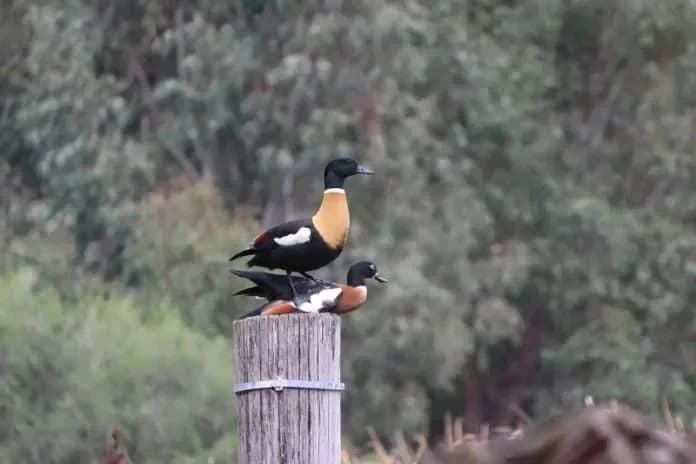
A greater crested tern, the wild seabird in which Australia confirmed the first detection of H5N1 bird flu in a non-migratory seabird.



Comments
No comments yet. Be the first to share a thought.