
Australia has officially opened public hearings into one of its most shocking recent tragedies—the deadly attack at Bondi Beach—as the nation grapples with a troubling rise in antisemitism. The hearings, launched under a national Royal Commission led by retired judge Virginia Bell, aim to uncover both the circumstances surrounding the December 2025 mass shooting and the broader surge in anti-Jewish hatred that has unsettled communities across the country. A Nation Searching for Answers The attack, which targeted a Jewish Hanukkah celebration, claimed 15 lives and sent shockwaves through Aus
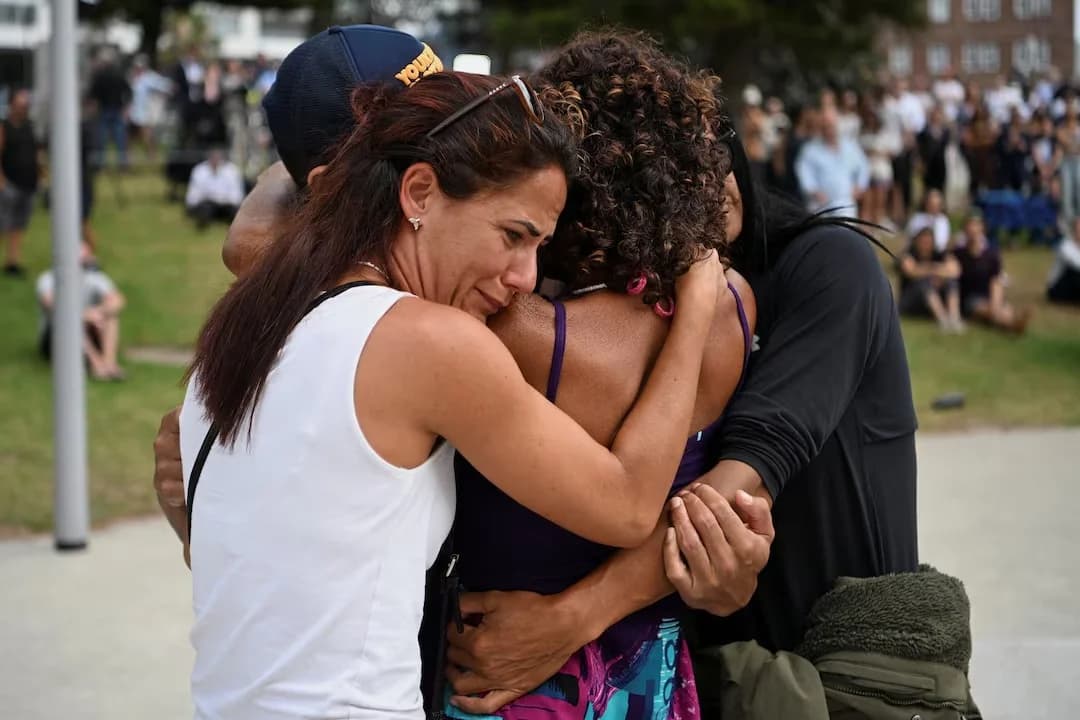
Australia has officially opened public hearings into one of its most shocking recent tragedies—the deadly attack at Bondi Beach—as the nation grapples with a troubling rise in antisemitism. The hearings, launched under a national Royal Commission led by retired judge Virginia Bell, aim to uncover both the circumstances surrounding the December 2025 mass shooting and the broader surge in anti-Jewish hatred that has unsettled communities across the country. A Nation Searching for Answers The attack, which targeted a Jewish Hanukkah celebration, claimed 15 lives and sent shockwaves through Australia. In its aftermath, calls intensified for stricter gun laws and decisive action against hate-driven violence. Opening the inquiry, Bell emphasized that the rise in antisemitism in Australia mirrors trends seen across Western nations, often linked to tensions stemming from the ongoing Gaza War. “It’s critical people understand how quickly global events can trigger hostility toward Jewish Australians simply because of their identity,” she stated. “We Don’t Feel Safe Here” The hearings quickly turned emotional as members of the Jewish community shared deeply personal testimonies. Survivors and families described a growing sense of fear and isolation in their daily lives. Among them was Peter Halasz, an 86-year-old who fled Europe decades ago. Drawing parallels with the horrors of the past, he warned that current events echo dangerous patterns. “For those who lived through the 1930s and 1940s, this is something we recognize—and it is frightening.” Grief was also palpable in the testimony of Sheina Gutnick, who lost her father in the attack. She described how antisemitism has reshaped her family’s daily decisions, even forcing her to weigh the safety of her children in public spaces. Other witnesses spoke of verbal abuse, threats, and even the decision to leave Australia altogether. One woman revealed her family planned to relocate to Israel, saying plainly: “We don’t feel safe here. We don’t feel welcome.” Schools Under Siege The impact has extended into education. At Mount Sinai College, heightened security measures and emergency drills have become routine. School president Stefanie Schwartz described a chilling transformation: “You walk past our school and it looks more like a prison than a place of learning.” Religious leaders echoed similar concerns. Benjamin Elton warned that Jewish Australians are increasingly being blamed for geopolitical conflicts far beyond their control. What Comes Next? The Commission has already released interim recommendations, including stronger security for Jewish events and tougher counter-terrorism measures. A second round of hearings later this month will examine the lead-up to the attack and assess gaps in prevention. A final report is expected on December 14, marking one year since the tragedy. A Defining Moment As Australia listens to painful testimonies and confronts uncomfortable realities, the inquiry represents more than a legal process—it is a national reckoning. The voices emerging from these hearings carry a clear message: beyond policy and politics, there is an urgent need to restore a sense of safety, dignity, and belonging for all communities.



Comments
No comments yet. Be the first to share a thought.