
Australia is heading toward one of its most consequential general elections in recent memory, set for May 3, 2025. Prime Minister Anthony Albanese, leading the Labor Party, seeks a second consecutive term—a feat not achieved by any prime minister in recent years. Facing him is Peter Dutton, the leader of the conservative Liberal-National Coalition, whose campaign is marked by bold promises, sharp contrasts in policy, and a style that some critics liken to former U.S. President Donald Trump. Central to the campaign are the candidates’ contrasting visions for Australia’s future. Albanese has fr
Australia is heading toward one of its most consequential general elections in recent memory, set for May 3, 2025. Prime Minister Anthony Albanese, leading the Labor Party, seeks a second consecutive term—a feat not achieved by any prime minister in recent years. Facing him is Peter Dutton, the leader of the conservative Liberal-National Coalition, whose campaign is marked by bold promises, sharp contrasts in policy, and a style that some critics liken to former U.S. President Donald Trump. Central to the campaign are the candidates’ contrasting visions for Australia’s future. Albanese has framed Dutton’s leadership as a return to harsh conservative governance, accusing him of planning deep cuts to the public sector that would hurt core services such as the National Disability Insurance Scheme (NDIS), aged care, and veterans’ support. Drawing on historical parallels, Albanese likened Dutton’s proposals to those of former Queensland Premier Campbell Newman, who lost his job after a single term marked by mass public service job losses. “We’ve seen this movie before,” Albanese said during a recent campaign rally in Brisbane. “When you cut services people rely on, you lose trust—and you lose elections.” The campaign also sees climate and energy policy take center stage. Albanese announced a $2.3 billion subsidy plan to help Australian households buy solar energy storage batteries. The goal is to slash battery installation costs by nearly 30%, addressing both the rising cost of living and accelerating the country’s energy transition. While the plan targets homeowners—particularly those already using solar panels—critics argue it overlooks vulnerable groups such as renters and pensioners. In response, Peter Dutton has pitched alternative energy policies, including directing a portion of Australian gas exports back into the domestic market and proposing a long-term shift toward nuclear energy. He argues these policies would lower energy bills and strengthen energy security. The race remains too close to call, and both leaders are aggressively campaigning in key battlegrounds, particularly Queensland, where shifts in support could determine the outcome. Albanese's party is pushing hard to gain seats held by the Greens in inner-city Brisbane, with candidates like Renee Coffey leading Labor's challenge. Yet the Greens remain confident in their urban support base, leaving the final outcome uncertain. As The Courier Mail reported, Albanese’s strategy is not just about defending Labor’s majority but about painting Dutton’s approach as a dangerous step backward (couriermail.com.au).
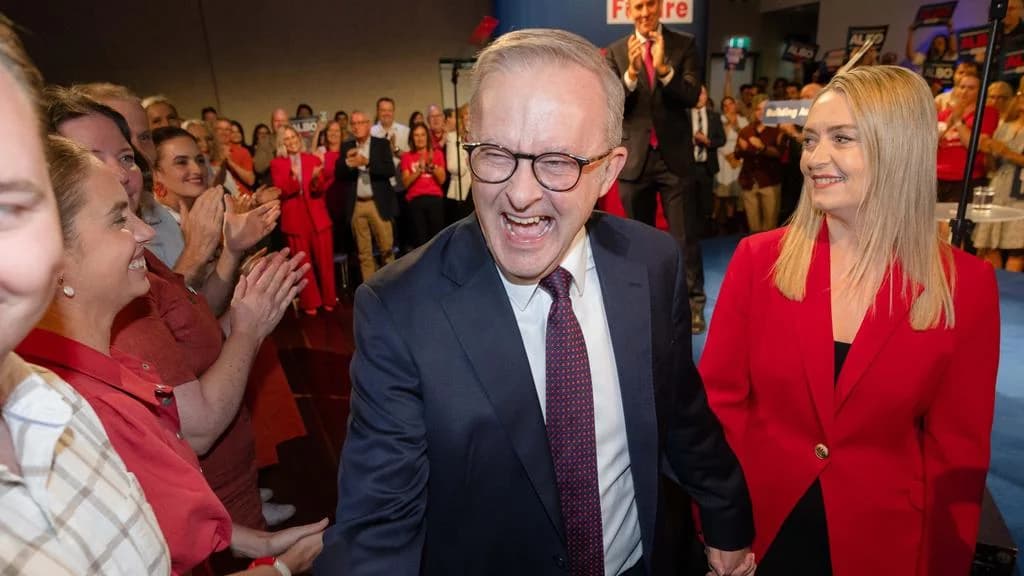
Prime Minister Anthony Albanese has hit out at Trump, Dutton, and DOGE-style labour cuts in Brisbane rally.
Independent MPs may ultimately hold the balance of power, particularly if neither major party secures a clear majority. Their growing influence underscores a broader shift in Australian politics, where traditional party loyalties are giving way to local issues and individual credibility.
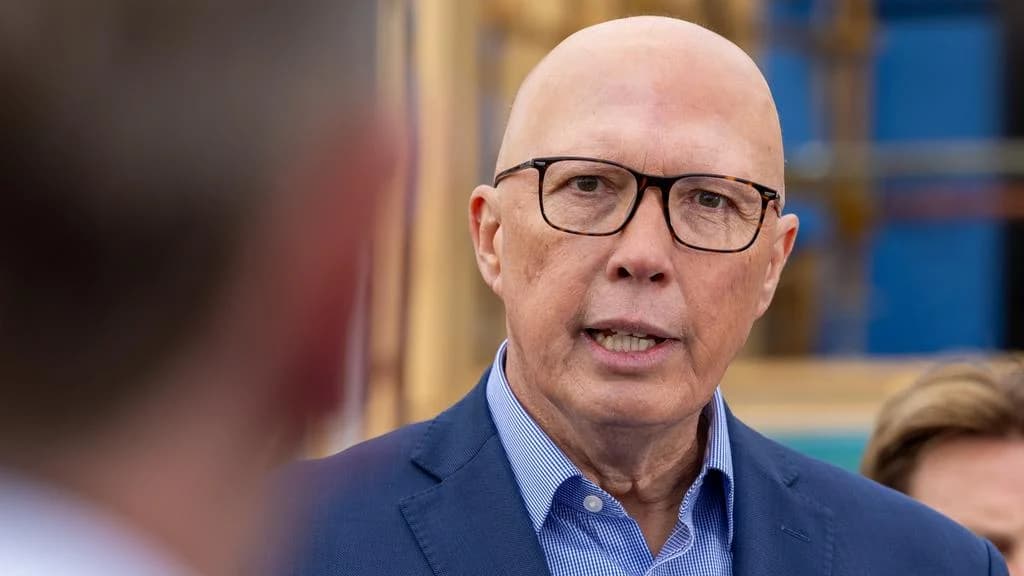
Peter Dutton has promised to slash the public service. Picture Thomas Lisson
As Australians prepare to vote, they face a defining choice: between continuity and disruption, between progressive reform and conservative recalibration. The outcome will shape the nation's direction on climate, the economy, public services, and global engagement for years to come.



Comments
No comments yet. Be the first to share a thought.