
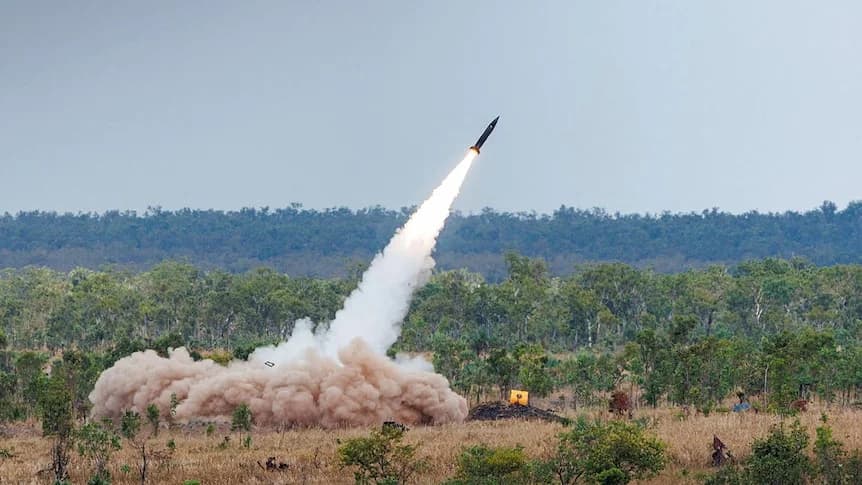
The Australian Army has successfully test-fired its most advanced long-range missile, marking a significant leap in the country’s defence capabilities and formally ushering the Army into what officials have described as the “missile age.” ABC News reports that on Friday, at the Mount Bundey Training Area southeast of Darwin, the Army launched a U.S.-developed Precision Strike Missile (PrSM) as part of Exercise Talisman Sabre, a large-scale multinational military exercise. The missile travelled more than 300 kilometres and hit its target in just over four minutes, reaching speeds of approxima
The Australian Army has successfully test-fired its most advanced long-range missile, marking a significant leap in the country’s defence capabilities and formally ushering the Army into what officials have described as the “missile age.”
ABC News
reports that on Friday, at the Mount Bundey Training Area southeast of Darwin, the Army launched a U.S.-developed Precision Strike Missile (PrSM) as part of Exercise Talisman Sabre, a large-scale multinational military exercise. The missile travelled more than 300 kilometres and hit its target in just over four minutes, reaching speeds of approximately 4,050 kilometres per hour, more than three times the speed of sound.
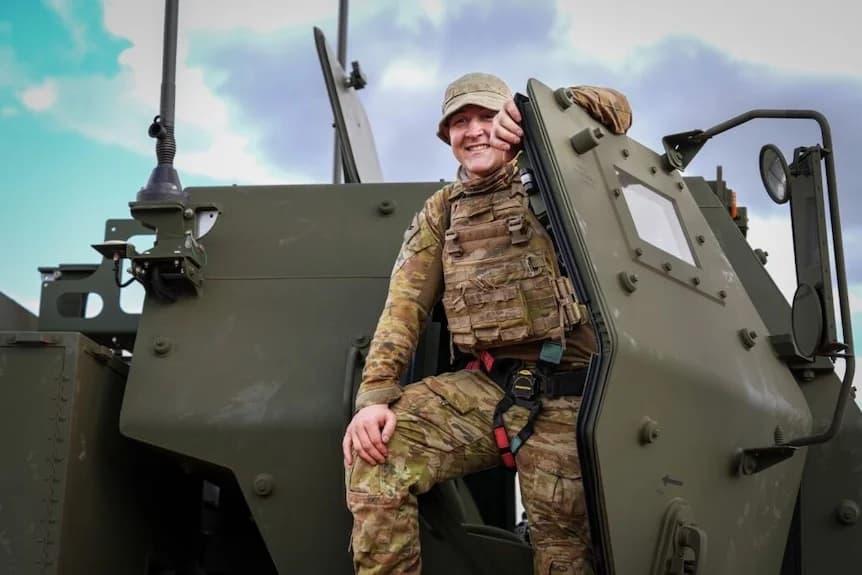
Charlie Vera is one of the soldiers taking part in Exercise Talisman Sabre. (ABC News: Roxanne Fitzgerald)
Defence Industry Minister Pat Conroy, speaking at the site of the launch, said the missile represents a transformative step for Australia’s deterrence strategy in the Indo-Pacific region. “This is all about extending deterrence in the Indo-Pacific,” Conroy stated. “It’s about signalling to any potential adversary that pain can be inflicted; all about deterring war through strength.” The PrSM was fired from a U.S.-manufactured High Mobility Artillery Rocket System (HIMARS) and boasts a striking range of up to 500 kilometres, a stark improvement from the Army’s previous limit of just 30 kilometres. The test demonstrates the Australian Defence Force’s rapidly advancing long-range strike capabilities amid rising geopolitical tensions in the region. The missile, developed for the U.S. Army, arrived in Australia last month under a $310 million agreement with the United States. The deal ensures Australia access to cutting-edge munitions, emerging military technologies, and future opportunities for domestic production and maintenance. U.S. Army Secretary Dan Driscoll, also present at the launch, was direct in identifying the strategic message behind the weapons test. “President Trump, Secretary of Defence Pete Hegseth, and the rest of the Pentagon team have been very clear that our pacing threat is China,” he said. “We are actively designing our army so that we are capable of responding to any threat from China.” While U.S. Army Chief of Staff General Randy George did not directly address questions regarding the immediacy of any Chinese threat, he acknowledged that rapid technological transformation remains a central priority. “What we are trying to do is to transform as rapidly as possible,” he said. According to Alex Miller, the U.S. Army’s Chief Technology Officer, the PrSM’s hypersonic velocity dramatically reduces an enemy's response time. “When you think about having six to seven minutes rather than 15 to 20 minutes, that’s a lot less time for [a target] to pack up and roll out if they learn that they are being shot at,” he explained. Miller added that while the PrSM is not designed to cause large-scale destruction, its lethality lies in its precision. The missile uses advanced guidance systems to deliver targeted strikes, making it a highly effective weapon in modern combat scenarios.
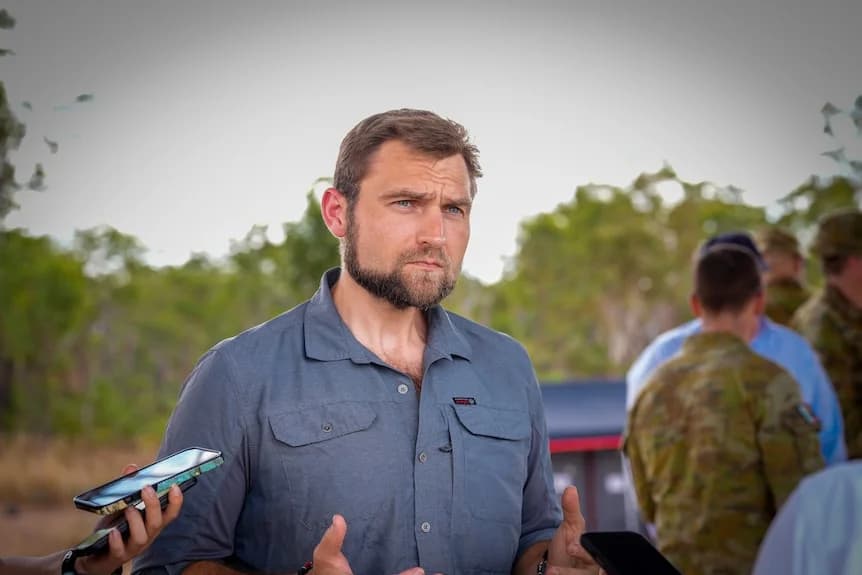
Alex Miller says the missile's precision is its greatest strength. (ABC News: Roxanne Fitzgerald)
A spokesperson from Minister Conroy’s office said future upgrades to the missile are already under consideration. These include extending the missile’s range to over 1,000 kilometres, integrating advanced sensors, and incorporating new warhead technologies. Friday’s launch was part of Exercise Talisman Sabre, which brings together over 40,000 military personnel from 19 nations. The biennial exercise, the largest of its kind since its inception in 2005, is designed to improve joint military readiness through air combat, maritime operations, and live-fire drills.
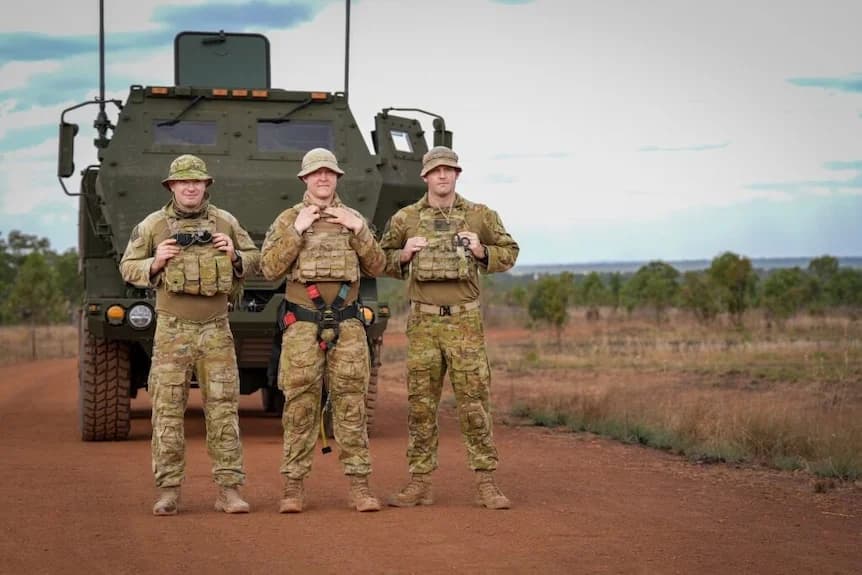
Talisman Sabre is the largest annual bilateral military exercise between Australia and the United States. (ABC News: roxanne Fitzgerald)
As regional security dynamics shift, Australia’s new missile capabilities signal a determined effort to enhance national defence and deepen military cooperation with strategic partners, particularly the United States. --
Adapted from ABC News



Comments
No comments yet. Be the first to share a thought.