
Melbourne could one day adopt a six-season calendar based on traditional First Nations knowledge, according to the city’s Lord Mayor, Nicholas Reece. Speaking on radio station 3AW and later reported by The Guardian, Reece said there was growing merit to the idea of shifting away from the four-season European calendar, which he described as “superimposed” on Australian weather patterns, and instead embracing the six seasons recognised in the Wurundjeri calendar. “In the Wurundjeri calendar, there were six seasons. It was a wet summer and a dry summer. A wet winter and a dry winter,” Reece ex
Melbourne could one day adopt a six-season calendar based on traditional First Nations knowledge, according to the city’s Lord Mayor, Nicholas Reece. Speaking on radio station 3AW and later reported by The Guardian, Reece said there was growing merit to the idea of shifting away from the four-season European calendar, which he described as “superimposed” on Australian weather patterns, and instead embracing the six seasons recognised in the Wurundjeri calendar.
“In the Wurundjeri calendar, there were six seasons. It was a wet summer and a dry summer. A wet winter and a dry winter,” Reece explained. “And when you think about it, it makes sense. We have gone and superimposed the four seasons, essentially from Northern Europe, here in Melbourne, and they don’t really match up with the weather patterns.”
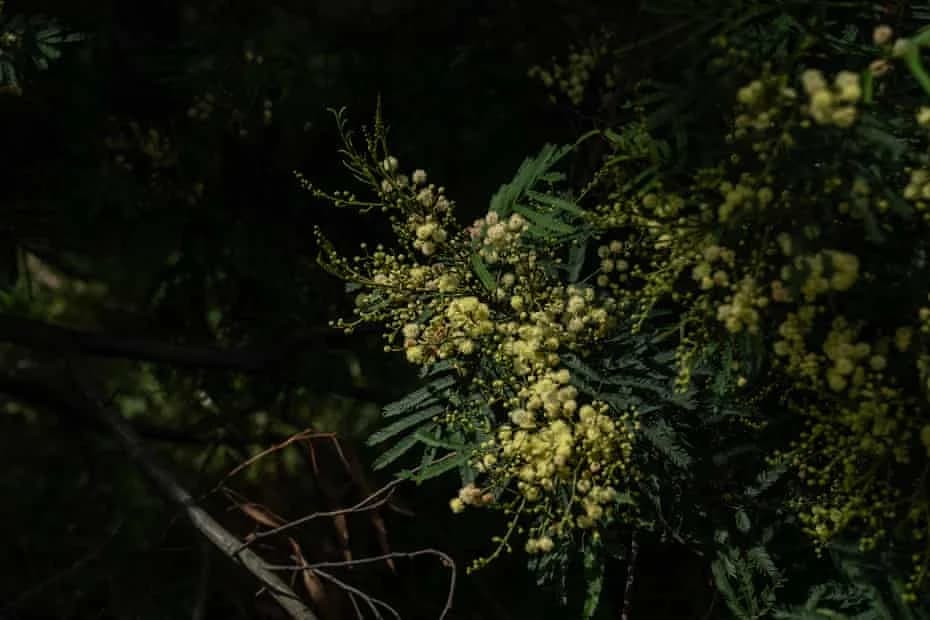
The idea emerged as part of discussions at the Melbourne 2050 Summit, held at the city’s town hall in May, where a wide range of visionary ideas were proposed to shape Melbourne’s future. Reece urged the public to keep an open mind, saying the six-season concept was “actually quite an interesting idea” and “one of those things where a bit of First Nations knowledge appears to make a bit more sense.” To support the theory, Reece shared a personal observation: tracking the city’s iconic wattle trees.
“It’s extraordinary. Literally wattle season starts and that week you look around Melbourne and all of the wattle trees have turned fluorescent yellow and it’s beautiful.”
The Lord Mayor’s comments come amid broader discussions across Australia about better incorporating Indigenous knowledge systems into environmental management, climate adaptation, and public life. Advocates say recognising traditional seasonal calendars not only improves local understanding of nature but also promotes cultural respect and reconciliation.



Comments
No comments yet. Be the first to share a thought.