
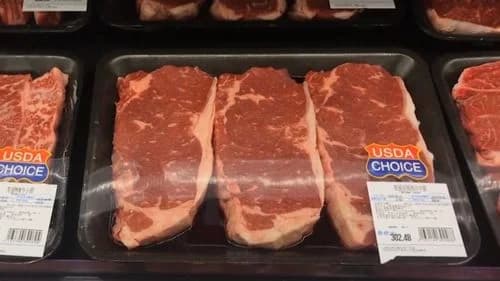
Australia is preparing to lift its ban on beef imports from the United States. This ban has been in place since 2003, after a case of mad cow disease was found in American cattle. The decision has made headlines, especially because it follows recent trade tensions between the two countries. In April, the U.S. government placed tariffs on Australian products, partly because of the beef ban. U.S. officials now call the change a "major trade breakthrough" and say it will support American farmers. However, the Australian government says the timing of the decision has nothing to do with politics.
Australia is preparing to lift its ban on beef imports from the United States. This ban has been in place since 2003, after a case of mad cow disease was found in American cattle. The decision has made headlines, especially because it follows recent trade tensions between the two countries. In April, the U.S. government placed tariffs on Australian products, partly because of the beef ban. U.S. officials now call the change a "major trade breakthrough" and say it will support American farmers. However, the Australian government says the timing of the decision has nothing to do with politics. Agriculture Minister Julie Collins explained that the change came after more than ten years of scientific review. Experts have confirmed that the U.S. has improved its beef safety systems. “This decision is based only on science,” Minister Collins said. “We will not risk Australia’s biosecurity.” Although the ban was technically lifted in 2019, beef from the U.S. was still not entering Australia. This is because cattle from Mexico and Canada, which share supply chains with the U.S., were still banned. That made it hard to accept U.S. beef without also allowing cattle from those countries. Recently, the U.S. introduced stronger tracking systems for cattle. These systems help trace where cattle are raised and allow quick action if a disease outbreak happens. With these changes, Australia now believes the risk is lower. U.S. Agriculture Secretary Brooke Rollins said the original ban was unfair. She welcomed the news, saying it would help American farmers return to the global market. Some people in Australia are worried about the decision. Opposition leader David Littleproud suggested that the government made the move to please former President Donald Trump. He warned that Australia should not make deals that might harm local farmers. But not everyone agrees. Will Evans, the head of Cattle Australia, said he trusts the government's review. He also said that the U.S. is a key trade partner, and it is important to keep that relationship strong. The U.S. is already Australia’s largest market for beef exports. Last year, exports to the U.S. were worth A$14 billion. Even with recent U.S. tariffs, Australian beef sales have grown by about 30% this year, according to Meat and Livestock Australia.



Comments
No comments yet. Be the first to share a thought.