
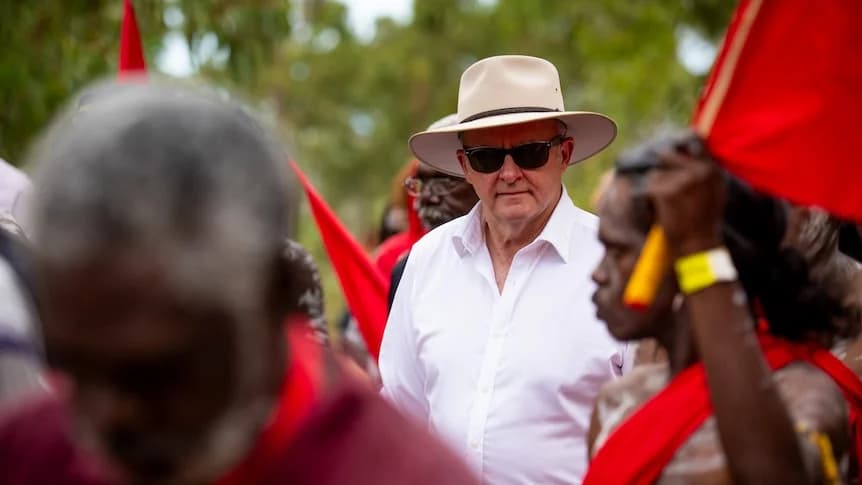
Prime Minister Anthony Albanese has reaffirmed Australia's unwavering commitment to improving the lives of First Nations people. Speaking at a recent event, the Prime Minister emphasized that closing the gap between Indigenous and non-Indigenous Australians is not just an aspiration but an imperative. "We can close the gap. And we must," declared Prime Minister Albanese. This statement encapsulates the government's determination to address the long-standing disparities faced by First Nations communities. The gap in health, education, housing, and employment outcomes between Indigenous and non
Prime Minister Anthony Albanese has reaffirmed Australia's unwavering commitment to improving the lives of First Nations people. Speaking at a recent event, the Prime Minister emphasized that closing the gap between Indigenous and non-Indigenous Australians is not just an aspiration but an imperative. "We can close the gap. And we must," declared Prime Minister Albanese. This statement encapsulates the government's determination to address the long-standing disparities faced by First Nations communities. The gap in health, education, housing, and employment outcomes between Indigenous and non-Indigenous Australians remains significant, but the government's resolve to bridge this divide is stronger than ever. A critical aspect of the government's strategy involves building more remote housing. Adequate housing is fundamental to improving health and well-being, education, and employment opportunities. By investing in remote housing projects, the government aims to provide First Nations families with safe, secure, and sustainable living environments. This initiative not only addresses immediate housing needs but also fosters long-term community development and stability. Access to quality health care is another cornerstone of the government's plan. The Prime Minister highlighted ongoing efforts to ensure that First Nations communities receive the health care they need. This includes expanding services in remote areas, increasing the number of Indigenous health professionals, and providing culturally appropriate care. By prioritizing health, the government aims to reduce the life expectancy gap and improve overall health outcomes for Indigenous Australians. Education is a powerful tool for change, and the government is committed to ensuring that First Nations children have access to high-quality education. The full funding of Northern Territory (NT) public schools is a significant step towards achieving this goal. This funding will enhance educational resources, support teacher training, and improve infrastructure, thereby creating a conducive learning environment for Indigenous students. By investing in education, the government aims to empower the next generation of First Nations leaders. Prime Minister Albanese's commitment to a better future for First Nations people is part of a broader journey towards reconciliation. The government recognizes the importance of working in partnership with Indigenous communities, respecting their knowledge, and valuing their contributions. This collaborative approach is essential for developing policies and programs that truly meet the needs of First Nations people. In conclusion, the Albanese government's dedication to closing the gap is evident in its comprehensive approach, focusing on housing, health care, and education. These initiatives reflect a deep commitment to ensuring that First Nations people have the opportunities and support they need to thrive. As Prime Minister Albanese said, "Our commitment to a better future for First Nations people is as strong as ever." This commitment is a testament to Australia's resolve to build a more equitable and inclusive society for all.



Comments
No comments yet. Be the first to share a thought.