
Australia’s central bank raised its policy rate by 25 basis points to 4.35% on Tuesday, citing persistent inflation pressures and heightened uncertainty linked to global energy markets. The move by the Reserve Bank of Australia was decided by majority, with eight members voting in favour and one voting to hold the cash rate at 4.10%. In its statement, the central bank said inflation had “picked up materially” in the second half of 2025, driven by capacity pressures in the domestic economy. It added that the conflict in the Middle East has pushed up fuel and commodity prices, which are already
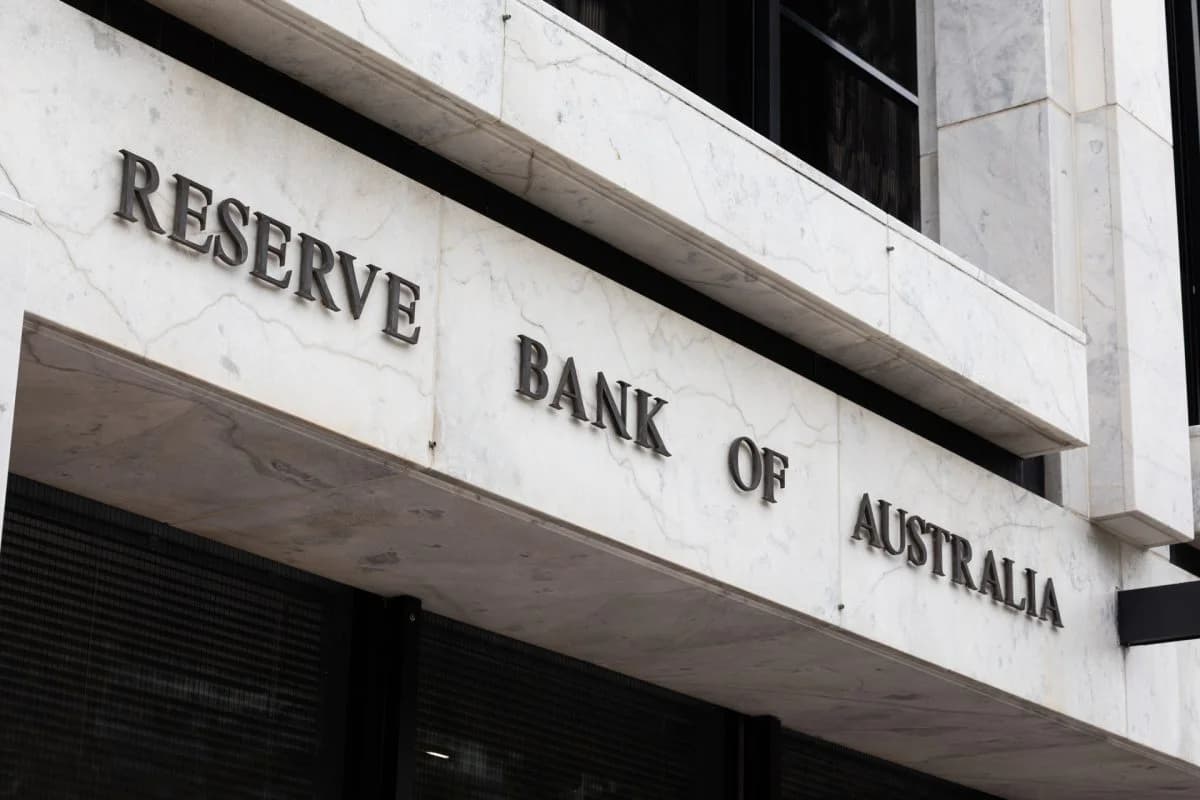
Australia’s central bank raised its policy rate by 25 basis points to 4.35% on Tuesday, citing persistent inflation pressures and heightened uncertainty linked to global energy markets.
The move by the Reserve Bank of Australia was decided by majority, with eight members voting in favour and one voting to hold the cash rate at 4.10%.
In its statement, the central bank said inflation had “picked up materially” in the second half of 2025, driven by capacity pressures in the domestic economy. It added that the conflict in the Middle East has pushed up fuel and commodity prices, which are already feeding into broader price increases.
“There are indications that this is likely to have second-round effects on prices for goods and services more broadly,” the RBA said, noting early signs that firms facing cost pressures are beginning to raise prices.
The bank said inflation expectations had also risen in the near term, while underlying inflation was expected to remain above its 2%–3% target range for some time.
It warned that inflation was already elevated before the Middle East conflict and that higher fuel prices have added further upward pressure, with inflation likely to remain above target for an extended period.
The RBA said financial conditions have tightened this year, with higher money market rates, rising government bond yields and an appreciating exchange rate, although credit remains readily available to households and businesses.
The central bank also flagged heightened uncertainty in the outlook, saying prolonged geopolitical tensions could weigh on global growth while further lifting energy prices and inflation.
“The Board assessed that inflation is likely to remain above target for some time and that the risks remain tilted to the upside,” it said, adding that policy remains “well placed to respond to developments.”
Australia’s economy is expected to slow this year as higher fuel costs and previous rate increases weigh on demand, while the labour market is projected to remain relatively resilient before gradually easing.
The decision follows earlier signals from the central bank that inflationary pressures remain sticky despite tighter monetary conditions.



Comments
No comments yet. Be the first to share a thought.