
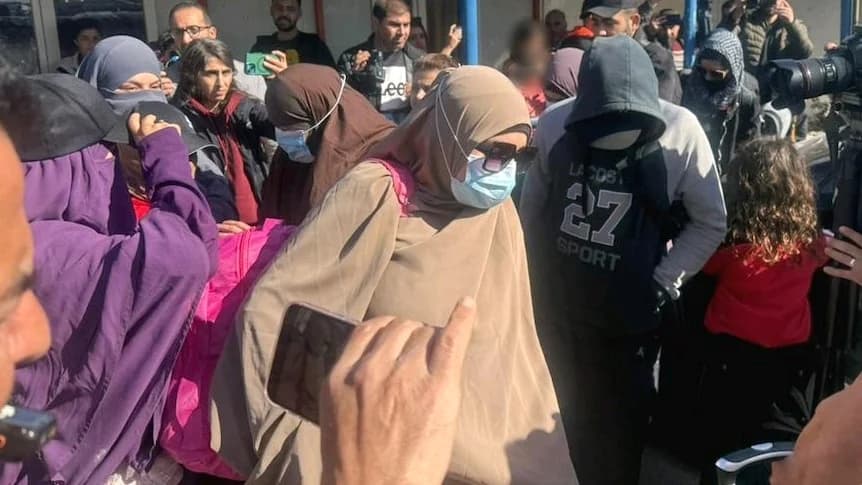
Legal experts warn Temporary Exclusion Orders may allow rolling bans despite constitutional concerns Australian citizens suspected of posing national security threats could be prevented from returning home for extended and potentially indefinite periods under counterterrorism laws introduced in 2019, legal experts have warned. The concern follows confirmation that one Australian woman affiliated with members of the extremist group Islamic State has been issued a Temporary Exclusion Order (TEO), blocking her immediate return from a detention camp in north-eastern Syria. Al-Roj refugee camp
Legal experts warn Temporary Exclusion Orders may allow rolling bans despite constitutional concerns Australian citizens suspected of posing national security threats could be prevented from returning home for extended and potentially indefinite periods under counterterrorism laws introduced in 2019, legal experts have warned. The concern follows confirmation that one Australian woman affiliated with members of the extremist group Islamic State has been issued a Temporary Exclusion Order (TEO), blocking her immediate return from a detention camp in north-eastern Syria.
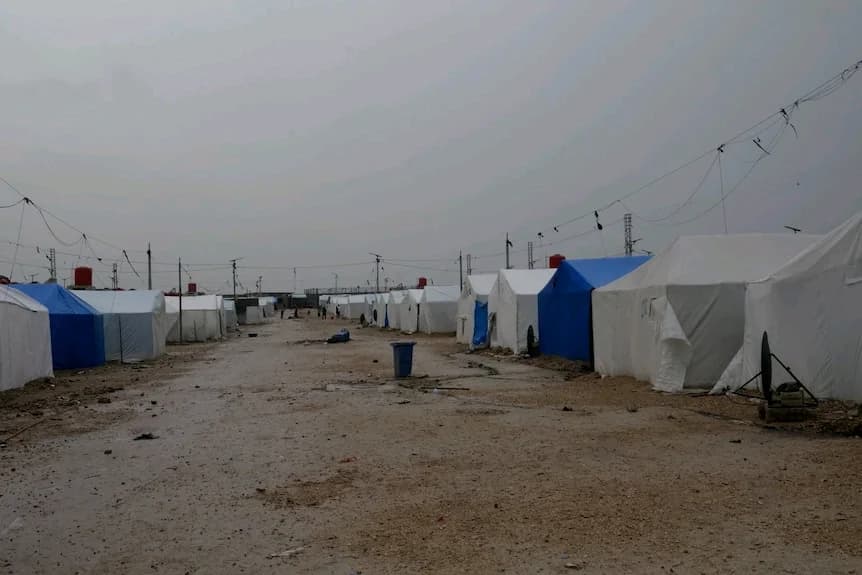
Al-Roj refugee camp (pictured) has held thousands of people displaced by the fall of ISIS. (Baderkhan Ahmad)
The case forms part of a wider attempt by 34 Australian women and children to return home from the Al-Roj refugee camp, where thousands of foreign nationals have been held since the territorial defeat of IS in 2019.
What the Law Allows
Temporary Exclusion Orders were established under federal counterterrorism legislation to prevent individuals aged 14 and above from re-entering Australia if authorities believe they may engage in, support, or receive training for terrorist acts. Home Affairs Minister Tony Burke said only one woman in the current group met the legal threshold for an exclusion order, based on advice from national security agencies. A TEO can remain in effect for up to two years. However, the individual may apply for a “return permit,” which technically cancels the exclusion order but allows the minister to delay entry for up to 12 months while security assessments are conducted. Mr Burke told the ABC program 7.30 that the practical effect of applying for a return permit could be to keep a person outside Australia for an additional year.
Possibility of Rolling Exclusion
Legal analysts say the most controversial element of the legislation lies in its renewal provisions. The law does not prohibit the issuance of a new TEO once a previous one expires. Critics argue this creates the possibility of consecutive orders that could effectively bar a citizen’s return indefinitely.

Helen Irving says it is possible a court would find "perpetual exclusion" unconstitutional.
Professor Helen Irving from the University of Sydney described the arrangement as constitutionally “questionable,” noting that it makes a citizen’s right of re-entry dependent on ministerial approval. In 2022, the High Court of Australia ruled that stripping citizenship from a dual national convicted of terrorism-related offences was unconstitutional because it amounted to punishment a power reserved for courts rather than the executive. While TEOs do not remove citizenship, Professor Irving said indefinite exclusion could raise similar constitutional issues if challenged. Professor Don Rothwell of the Australian National University said repeated renewals would effectively transform a temporary order into a permanent ban.
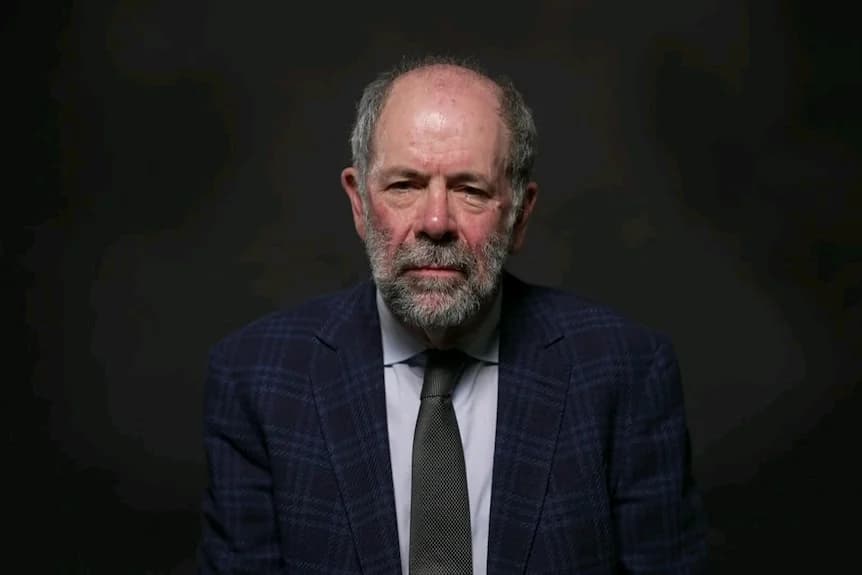
Don Rothwell says the use of TEOs is relatively uncharted territory.
“That raises significant questions, because every citizen has a right of return,” he said.
Impact on Children
The situation is further complicated by the presence of 23 children in the Al-Roj camp. Many were either taken to Syria as minors or born there. International observers have previously described such children as victims rather than perpetrators. Legal experts say questions remain over whether children can return independently if a parent remains subject to an exclusion order.
Rare but Unsettled Legal Territory
Government data tabled in Parliament shows that only nine TEOs have been issued since 2019. Five were later revoked, and three individuals returned to Australia under permit conditions. While officials maintain that the orders are used sparingly and only where security thresholds are met, constitutional scholars argue the framework remains largely untested in court. Whether Australia’s judiciary would uphold consecutive exclusion orders effectively allowing perpetual exclusion remains uncertain. For now, the legislation permits the possibility. The constitutional limits have yet to be definitively determined.



Comments
No comments yet. Be the first to share a thought.