
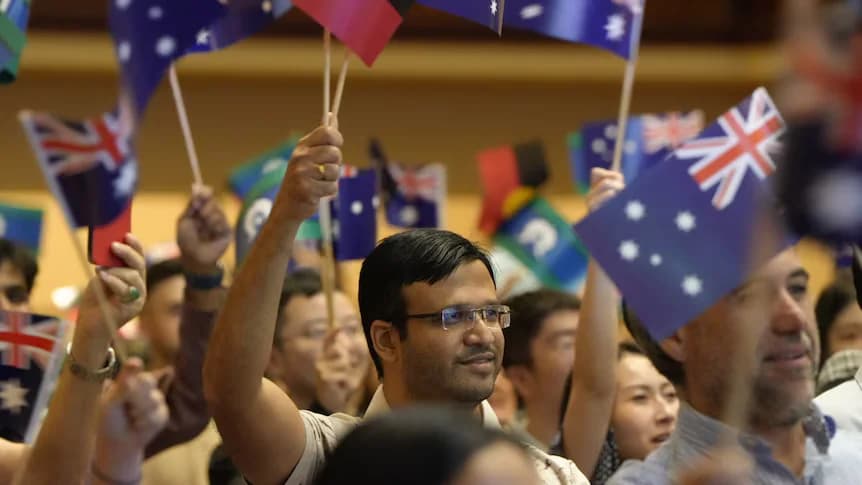
Australians across the country marked Australia Day on 26 January 2026 with a mix of official ceremonies, community celebrations, and moments of national reflection, as events took place in all states and territories. The day was observed through citizenship ceremonies, cultural performances, community festivals, and public addresses, highlighting Australia’s diversity, shared values, and ongoing discussions around national identity, reconciliation, and inclusion. Thousands of people attended Australia Day ceremonies nationwide, where new citizens from a wide range of cultural backgrounds we
Australians across the country marked Australia Day on 26 January 2026 with a mix of official ceremonies, community celebrations, and moments of national reflection, as events took place in all states and territories. The day was observed through citizenship ceremonies, cultural performances, community festivals, and public addresses, highlighting Australia’s diversity, shared values, and ongoing discussions around national identity, reconciliation, and inclusion. Thousands of people attended Australia Day ceremonies nationwide, where new citizens from a wide range of cultural backgrounds were officially welcomed into the Australian community, reinforcing the country’s multicultural character and commitment to civic participation. Local councils and community organisations hosted family-oriented events including barbecues, live music, flag-raising ceremonies, award presentations, and fireworks. Major public celebrations in capital cities and regional centres attracted large crowds and encouraged strong community engagement. In New South Wales, crowds gathered around Sydney Harbour for ferry displays, cultural showcases, and evening fireworks. Victoria hosted inclusive celebrations in Melbourne and regional areas, with a focus on cultural diversity and civic pride. Queensland marked the day with outdoor festivities, citizenship ceremonies, and Australia Day awards in Brisbane and across regional communities. Similar events were held in Western Australia, South Australia, Tasmania, the Northern Territory, and the Australian Capital Territory, reflecting local traditions and widespread public participation. Political leaders and community representatives used the occasion to call for unity, respect, and social cohesion. Speeches delivered during official events emphasised the importance of recognising Australia’s history, including the experiences of Aboriginal and Torres Strait Islander peoples, while also acknowledging the achievements of the modern nation. Many leaders encouraged Australians to view Australia Day as both a celebration and an opportunity for reflection, dialogue, and learning, reinforcing the importance of shared understanding and mutual respect. On social media, Australians shared images and messages from Australia Day events across the country. Posts ranged from family gatherings and community celebrations to calls for reconciliation, inclusion, and greater recognition of Indigenous Australians. The diverse public response reflected a wide range of perspectives on the meaning of Australia Day and highlighted Australia’s democratic values and freedom of expression. Overall, Australia Day 2026 was marked by nationwide participation, bringing together celebration and reflection, as the country continued to engage with its history while looking toward a more inclusive and united future.



Comments
No comments yet. Be the first to share a thought.