
Australia is ending March under pressure from multiple directions simultaneously — a war it did not start, a fuel crisis it cannot fully control, and an alliance it is beginning to publicly question. The thread connecting all of it runs through the Strait of Hormuz. The Alliance Question The sharpest political exchange of the day came on ABC Insiders, where Shadow Minister for Industry and Sovereign Capability Andrew Hastie warned against a ground war, expressed concern about US credibility, and said he worries that Australians' support for the alliance is being eroded adding: "I think the eco
Australia is ending March under pressure from multiple directions simultaneously — a war it did not start, a fuel crisis it cannot fully control, and an alliance it is beginning to publicly question. The thread connecting all of it runs through the Strait of Hormuz.
The Alliance Question
The sharpest political exchange of the day came on ABC Insiders, where Shadow Minister for Industry and Sovereign Capability Andrew Hastie warned against a ground war, expressed concern about US credibility, and said he worries that Australians' support for the alliance is being eroded adding: "I think the economic pain is going to be more acute, and they're going to question the judgement of the president as this drags on." On 2GB later that morning, Hastie went further, telling listeners "this is Donald Trump's choice" — pointedly noting that One Nation has been strong in supporting the war, a point he said is not made often enough.
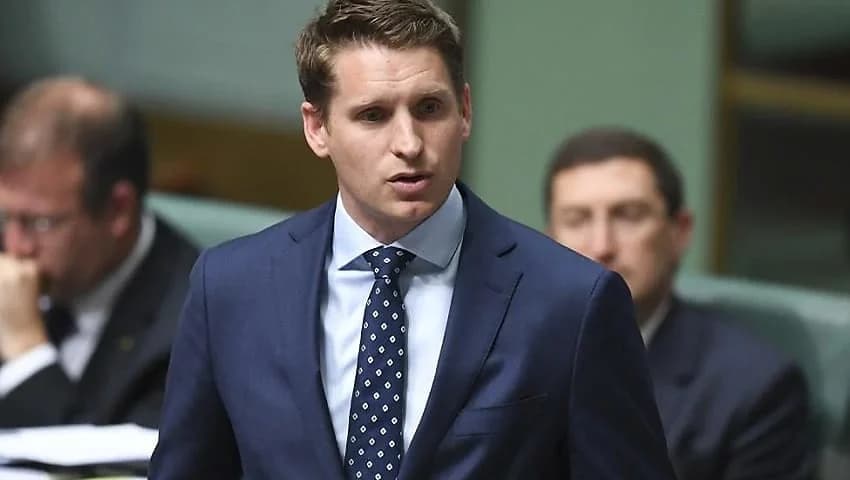
Andrew Hastie, Shadow Minister for Industry and Sovereign Capability and also the Deputy Leader of the Opposition in the House of Representatives 2023. /DC
The polling suggests he is reading the public mood accurately. According to Guardian polling, only one in four Australians approve of the US-Israel war on Iran, and just a third back the decision to send a military plane and troops to the region.
Health Minister Mark Butler, asked whether he agreed with Hastie's position, said the US remains Australia's most important ally: "This has been the most important security alliance Australia has had for decades and it still is."
The Hon Mark Butler MP Minister for Health and Ageing Minister for Disability and the National Disability Insurance Scheme. /health.gov.au
The exchange matters beyond parliamentary point-scoring. Hastie has called for greater transparency from the government regarding US personnel stationed in Australia, saying "when America conducts combat operations, we want to know what our level of involvement will be" and calling for a dedicated cross-party defence committee to have those debates. That is a significant demand from a deputy opposition leader, and one the Albanese government has not yet answered.
Fuel, Prices, and the Hormuz Effect
The war's most immediate domestic consequence is at the petrol pump. According to the Australian Competition and Consumer Commission, average diesel prices across Australia's five largest cities reached 303.5 cents per litre on 25 March, a rise of 27.8 cents in a single week, while unleaded petrol hit 252.2 cents per litre. Around 470 service stations have run out of at least one type of fuel, prompting Victoria and Tasmania to introduce temporary free public transport measures while other states watch closely.
Weekly average international crude oil and refined fuel benchmark prices
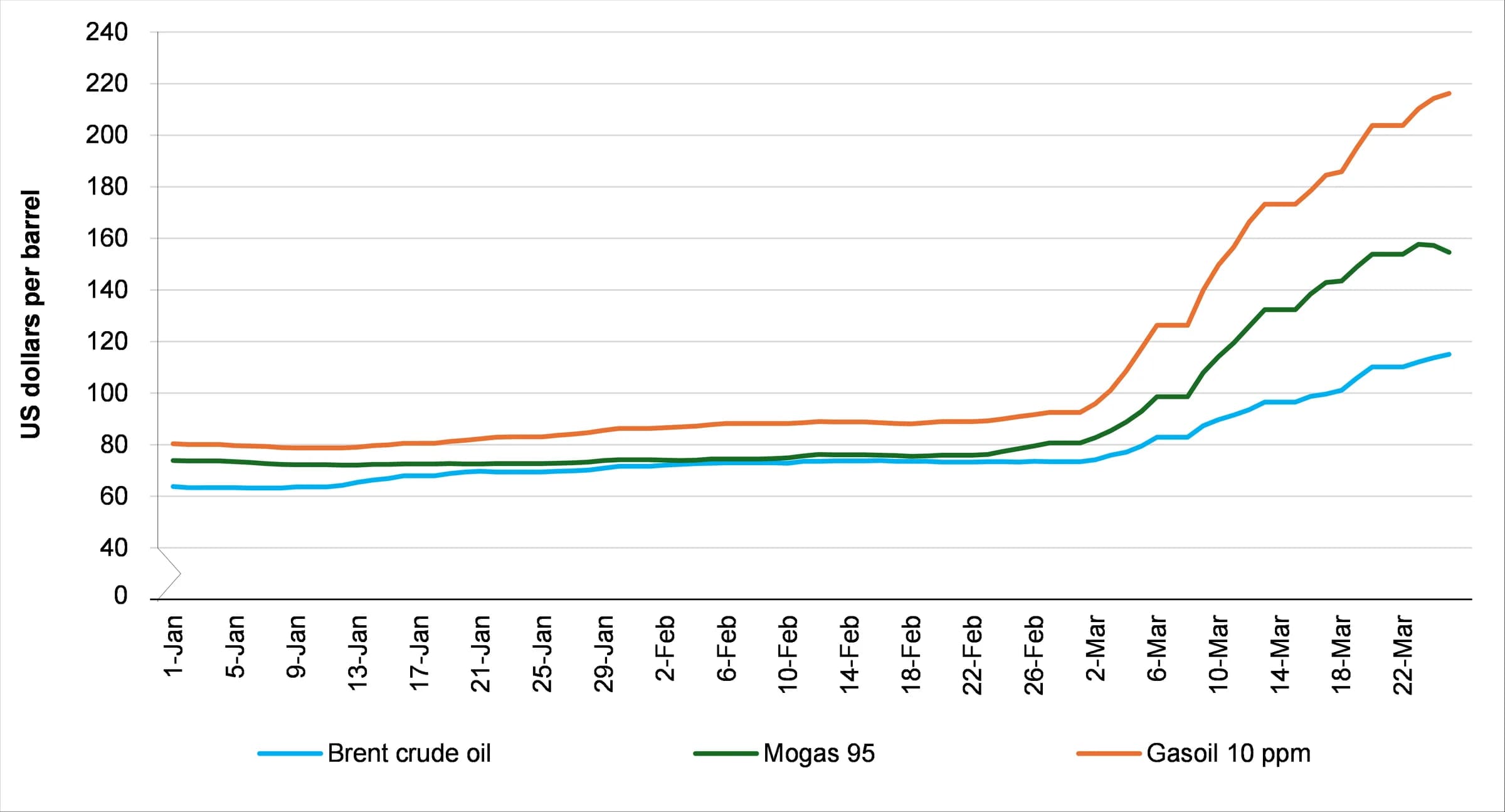
Source: ACCC calculations based on data from Argus Media.
Prime Minister Albanese announced new fuel security powers on Saturday, using Export Finance Australia to underwrite private companies purchasing additional shiploads of fuel and essential items, while stopping short of mandatory rationing. The legislation goes to the House of Representatives on Monday, the same day National Cabinet meets for a second time to coordinate a national response.

Anthony Norman Albanese, Prime minister of Australia. /Ocean Panel
The structural challenge remains acute, Australia imports approximately 90 percent of its refined fuels and holds just 39 days of petrol reserves, leaving it with limited buffer against a crisis it did not anticipate and cannot quickly resolve.
New Rules for Senior Drivers
From 1 March 2026, Australian motorists aged 65 and older are required to undergo periodic medical assessments to maintain their driver's licence, with tests centring on vision, cognition, and physical ability, and medical certificates now required for licence renewal. Requirements vary by state, with most jurisdictions placing stricter obligations on drivers aged 75 and over, including mandatory health checks and more frequent renewals.
Authorities have been clear that the reforms are grounded in road safety data rather than age alone, most seniors in good health are expected to renew without difficulty. The timing carries an unspoken irony: the same demographic being asked to prove their fitness to drive is simultaneously being offered free public transport in two states because the fuel they would have purchased has become unaffordable.
Sport: Kings, Demons, and a Must-Win Moment
While the country absorbs the weight of an oil shock it did not choose and an alliance it is beginning to question aloud, Australians have found their most reliable escape route as they usually do in sport.
The Sydney Kings have seized commanding control of the NBL Championship Series, defeating the Adelaide 36ers 106–93 in Game 3 on the back of a 34-point, 15-assist performance from Kendric Davis, described by commentators as one of the most complete finals displays in recent memory. The series shifts to Adelaide for Game 4, where the 36ers face elimination.

Adelaide 36ers beat Sydney Kings to level NBL finals, Kendric Davis and Bryce Cotton clash /ABC News
In the AFL, Melbourne produced one of the most dramatic comebacks of the season at the MCG, overturning a 43-point deficit to defeat Carlton. Bayley Fritsch led with four goals while Kysaiah Pickett's second-half performance proved decisive. The loss leaves Carlton 16th on the ladder and intensifies pressure on coach Michael Voss at a club that has yet to find its footing in 2026.
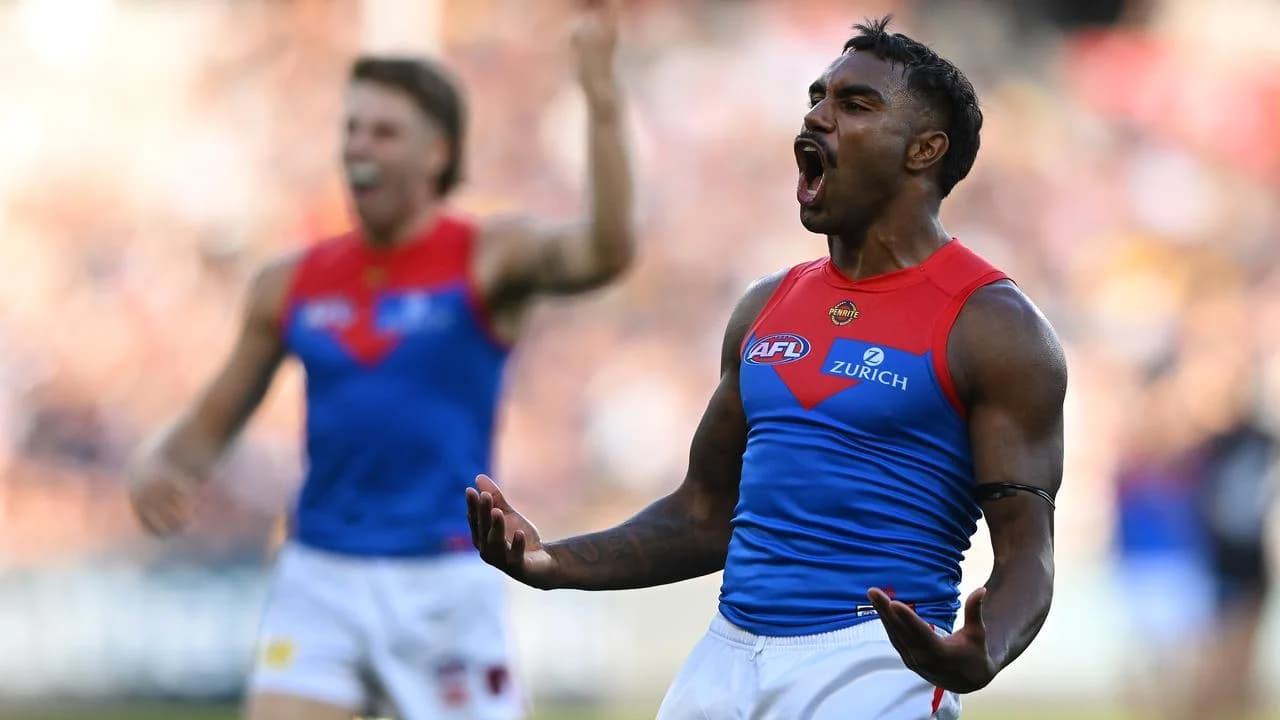
A sensational game from Kysaiah Pickett helped the Demons secure a comeback win over Carlton. /AAP
The Online Conversation
AFL and NRL discussions dominate Australia's social media landscape today, with Palm Sunday observances trending alongside commentary from Niki Savva, political columnist for The Age and The Sydney Morning Herald and a regular ABC Insiders panellist, and Greg Sheridan, foreign editor of The Australian since 1992 and one of the country's most prominent analysts of international affairs. The pattern is telling — sport as relief valve, politics as unavoidable undertow.
March 2026 has underscored that Australia is being forced to confront questions long left unexamined, the real nature of its alliance with the United States, the fragility of its energy supply, and its vulnerability to distant conflicts. Shadow Defence Minister Andrew Hastie’s public description of the situation as “Trump’s war,” and the federal government’s careful non-answer, suggest these issues will remain front of mind. The national cabinet meeting on Monday is expected to outline how prepared Australia’s institutions are to respond, with decisions that could have consequences extending far beyond the current fuel crisis.



Comments
No comments yet. Be the first to share a thought.