
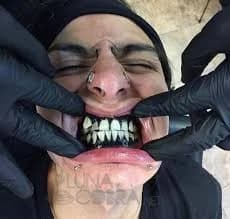
Tattooing is not just a modern trend, it has been a part of human history for thousands of years. The art of marking the skin with ink dates back to at least the Neolithic period. One of the most famous examples is Ötzi the Iceman, a naturally mummified man who lived between 3370 and 3100 BCE. These marks may have been part of a healing ritual or had some spiritual meaning. Over time, many different cultures around the world have used tattoos for different reasons, some for beauty, some for status, and others for religious or protective purposes. Gum tattoos, also called mouth tattoos or i
Tattooing is not just a modern trend, it has been a part of human history for thousands of years. The art of marking the skin with ink dates back to at least the Neolithic period. One of the most famous examples is Ötzi the Iceman, a naturally mummified man who lived between 3370 and 3100 BCE. These marks may have been part of a healing ritual or had some spiritual meaning. Over time, many different cultures around the world have used tattoos for different reasons, some for beauty, some for status, and others for religious or protective purposes. Gum tattoos, also called mouth tattoos or intraoral tattoos, are tattoos done on the soft parts inside your mouth, usually the gums. Some people choose them for personal or cultural reasons, or just for fun. According to dentalhealth.org, it’s important to know that this type of tattoo comes with risks and side effects. 1. Infection Your mouth has a lot of bacteria, even if you brush your teeth every day. When you get a gum tattoo, a needle is used to put ink into your gums. This creates small holes in your skin. Even if the tools are clean, bacteria from your mouth can still get into those holes and cause an infection. You might feel pain, notice your gums swelling, or see pus. In serious cases, the infection can spread and make you feel sick. 2. Allergic reactions Tattoo ink is made from different chemicals and colors. Some people are allergic to these ingredients, especially to colored inks like red, yellow, or green. You might feel itchy gums, see red rashes, or feel your gums swelling. In serious cases, it could become hard to breathe, which is very dangerous and needs emergency help. 3. Gum and nerve damage Your gums are soft and have many small nerves. If the tattoo needle goes too deep or is used incorrectly, it can hurt your gum tissue or damage nerves. You might feel a lot of pain, or your gums might go numb. Sometime you feel a strange tingling feeling that doesn’t go away. 4. Swelling and scarring After getting a tattoo, your gums might get swollen. This is normal at first, but if the swelling stays or gets worse, it could mean something is wrong. Also, your gums might not heal well and could form scars. 5. Uneven color Tattoo ink doesn’t always spread the same way on gum tissue. So the color might look patchy or different from what you wanted. 6. Bleeding and fever You may bleed during or after the tattoo. A little bleeding can be normal, but if it doesn’t stop or comes with a fever, it could mean there is an infection. 7. Bad breath and bitter taste After getting a tattoo in your mouth, you might notice a strange or bitter taste. Your breath could also smell different until your gums heal. 8. Sensitivity Your gums could become more sensitive to hot or cold drinks. This might last for a short time or stay longer in some cases. 9. Receding gums Sometimes, the tattooing process can make your gums pull back or shrink. This is called gum recession. It can make your teeth look longer and even cause tooth pain if the roots are exposed. This is not medical advice. If you are thinking about getting a gum tattoo, please talk to a dentist and a professional tattoo artist first. They can explain the risks and help you decide what’s best for your health.



Comments
No comments yet. Be the first to share a thought.