
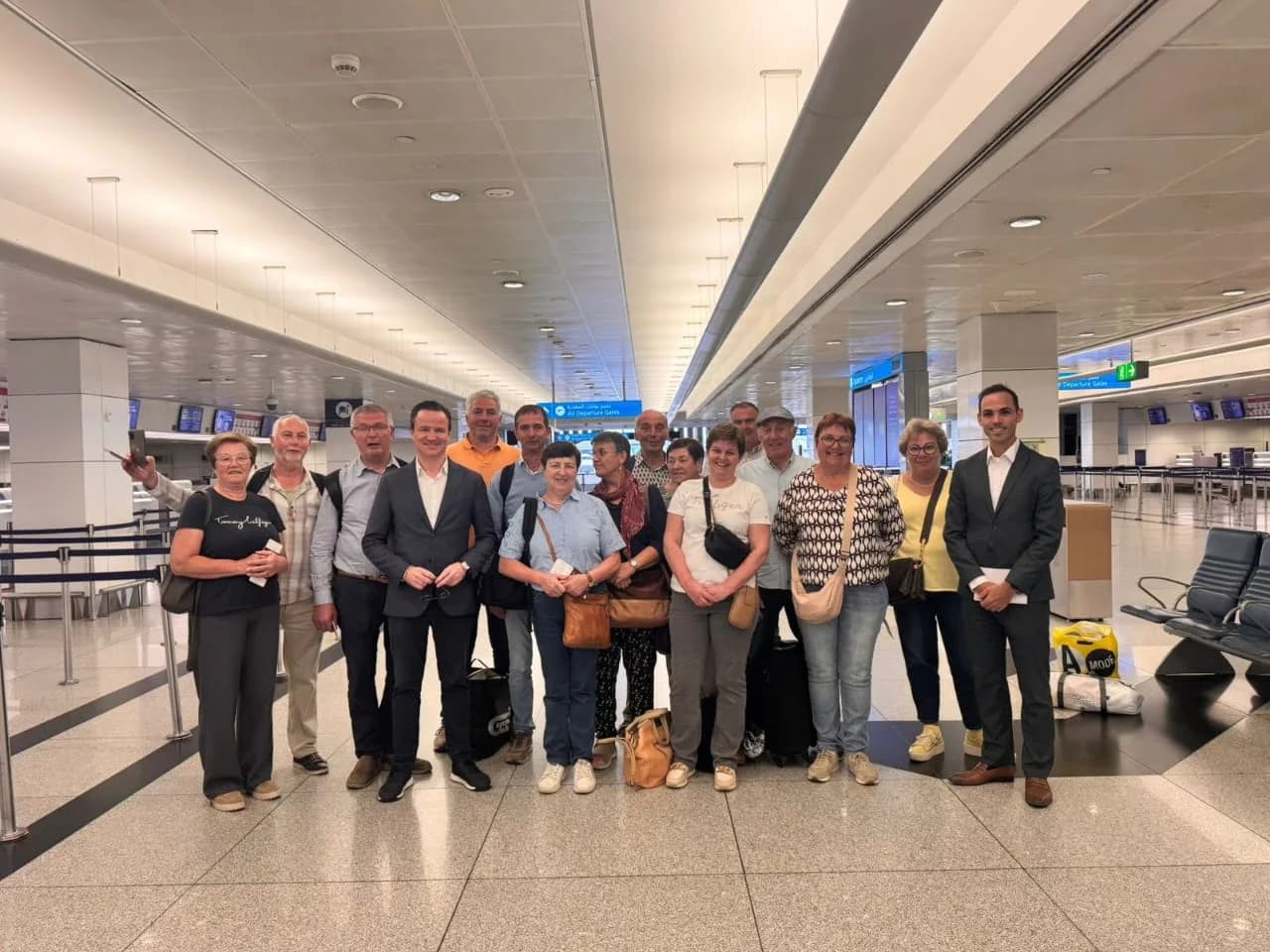
Brussels - Belgium , The Belgian government has launched a high stakes military repatriation operation to extract hundreds of citizens stranded in the Gulf region following a major escalation in the conflict between Iran, Israel, and the United States. With commercial flights grounded and regional airspace frequently paralyzed by missile and drone alerts, the air bridge serves as a critical lifeline for those caught in the crossfire. Over the weekend of March 7 th to 8 th , 2026, the Belgian Ministry of Foreign Affairs and the Ministry of Defence successfully coordinated four emergency flight
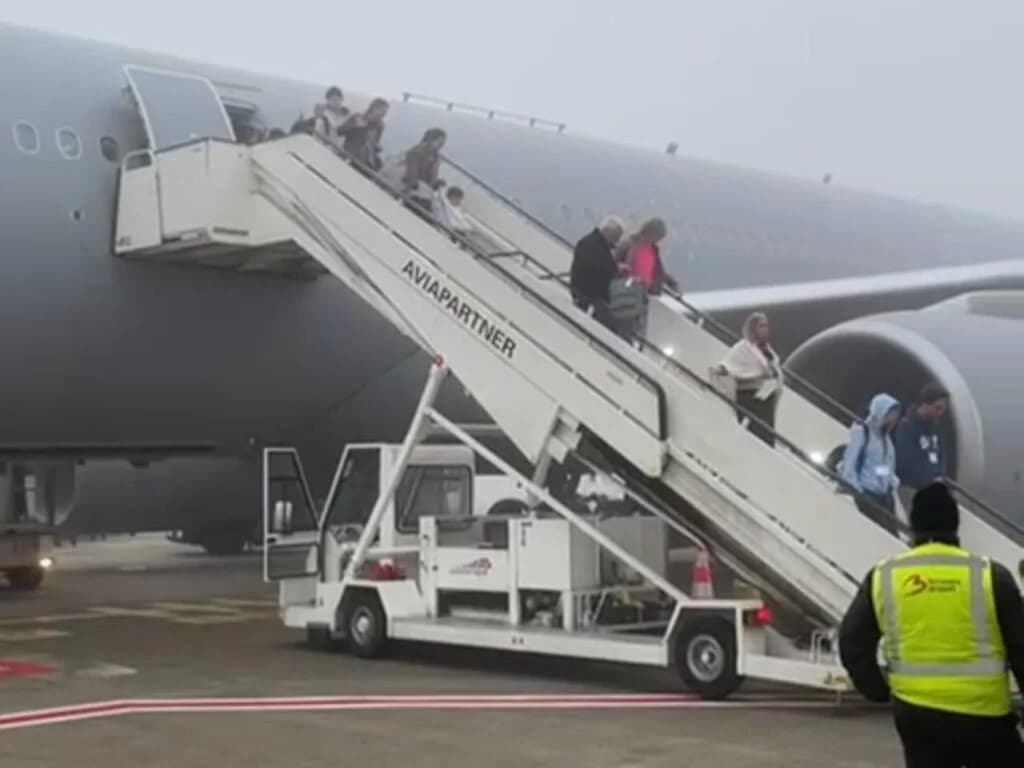
Brussels - Belgium, The Belgian government has launched a high stakes military repatriation operation to extract hundreds of citizens stranded in the Gulf region following a major escalation in the conflict between Iran, Israel, and the United States. With commercial flights grounded and regional airspace frequently paralyzed by missile and drone alerts, the air bridge serves as a critical lifeline for those caught in the crossfire. Over the weekend of March 7th to 8th, 2026, the Belgian Ministry of Foreign Affairs and the Ministry of Defence successfully coordinated four emergency flights to bring home approximately 565 nationals. The operation, which utilized both military transport aircraft and private charters, focused on the most vulnerable travelers stranded in Oman and the United Arab Emirates. As of this Monday, the first waves of evacuees have touched down at Brussels Airport (Zaventem), though thousands of Belgians remain in the wider region under advice to shelter in place.
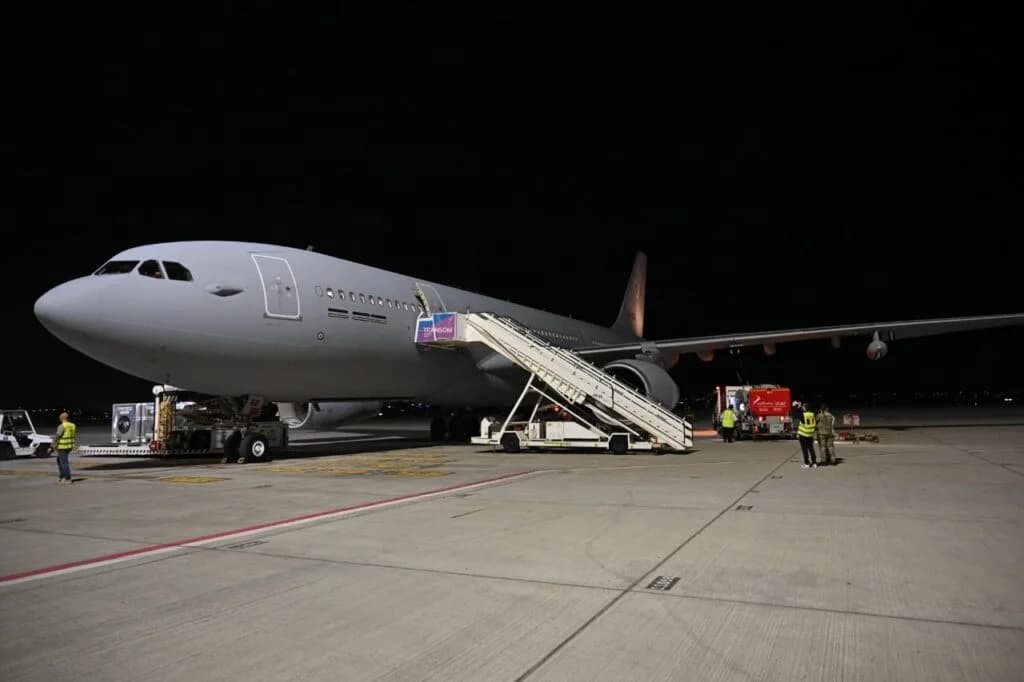
The repatriation efforts were delayed early last week due to what Foreign Minister Maxime Prévot described as enormous logistical challenges. To ensure safe passage, Belgian authorities had to negotiate security corridors through Egyptian and Cypriot airspace. Many evacuees in the UAE were forced to travel by bus across borders to reach safer departure hubs like Muscat, Oman, before they could board military aircraft. The Belgian Air Component deployed its most capable assets for the mission like Airbus A330 MRTT, a wide body aircraft that lifted 185 passengers from Muscat to Brussels on Saturday night. A400M Atlas, two tactical airlifters shuttled approximately 200 people from Dubai to Hurghada, Egypt, where they transferred to larger aircraft for the final leg to Belgium. And Cyprus Airways charter, a civilian charter flight supplemented the military effort, transporting an additional 180 people from Dubai via Larnaca.
The operation was not limited to Belgians, under the EU Civil Protection Mechanism, Belgium provided seats to citizens from other member states, including 22 Spaniards, 13 French nationals, and small groups from Luxembourg and Sweden. Costs for the mission are being shared among ten participating EU nations. "This is the reality of a conflict zone where missiles are being fired, dozens of countries are organizing evacuations simultaneously, and regional authorities must coordinate in real time. Our services are doing what they can in an extremely complex situation." Maxime Prévot, Belgian Foreign Minister told reporters.
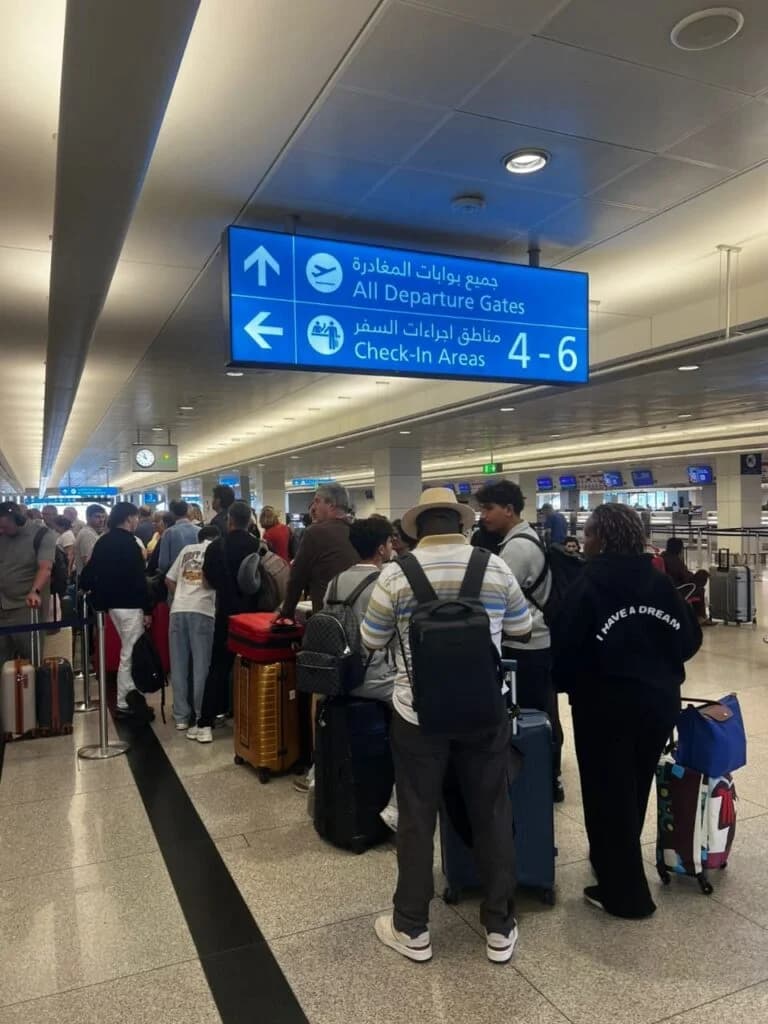
While this weekend's air bridge successfully brought over 500 people to safety, the crisis is far from over. With an estimated 26,000 Belgian nationals still in the region including 2,500 tourists, the government has warned that further military flights will depend entirely on the volatile security situation. For now, long term residents are being urged to register with the Travellers Online database and prepare for a prolonged period of limited mobility as regional tensions show no signs of abating.



Comments
No comments yet. Be the first to share a thought.