
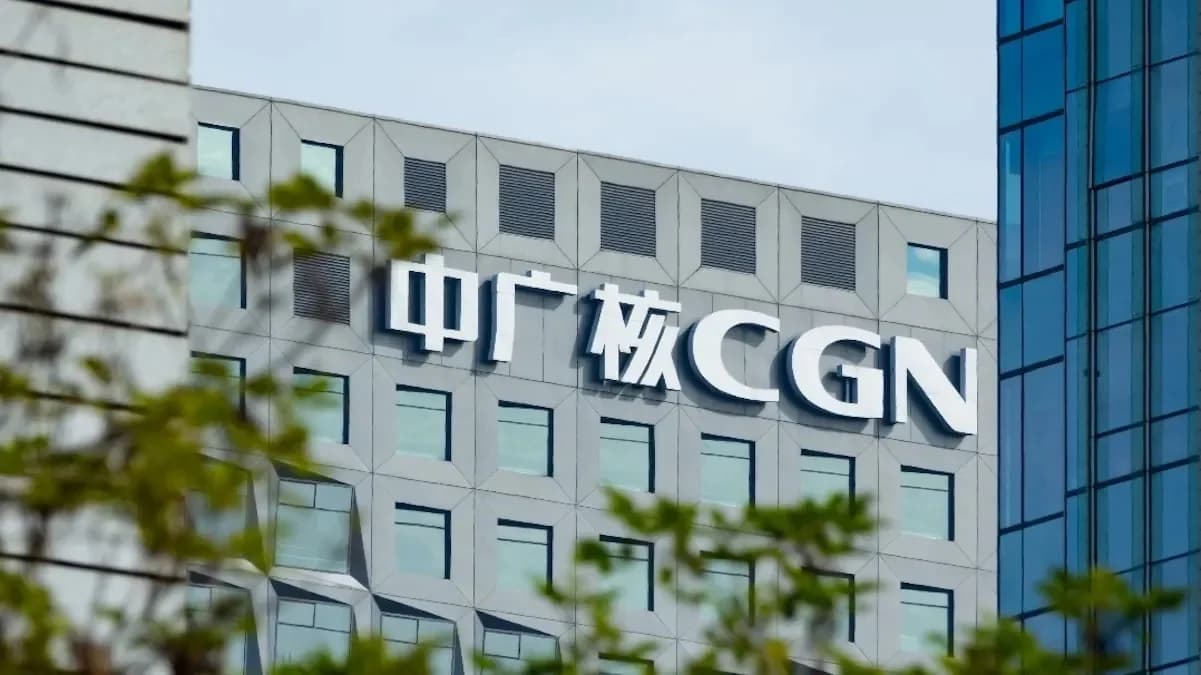
China General Nuclear Power Corporation (CGN), a Chinese state-owned energy company facing restrictions from the United States, is expanding its role in South Korea’s electricity sector, raising concerns over energy security and national security. CGN operates five power plants in South Korea with a combined generation capacity of about 2.2 gigawatts. The company’s growing presence has attracted scrutiny because of its links to China’s state sector and allegations by US authorities that it was involved in efforts to obtain American nuclear technology. The latest development came on July 24,
China General Nuclear Power Corporation (CGN), a Chinese state-owned energy company facing restrictions from the United States, is expanding its role in South Korea’s electricity sector, raising concerns over energy security and national security. CGN operates five power plants in South Korea with a combined generation capacity of about 2.2 gigawatts. The company’s growing presence has attracted scrutiny because of its links to China’s state sector and allegations by US authorities that it was involved in efforts to obtain American nuclear technology. The latest development came on July 24, when CGN announced the start of commercial operations at a 557-megawatt liquefied natural gas power plant in the Daesan Industrial Complex in South Chungcheong Province. The facility is expected to generate up to 3.9 terawatt-hours of electricity annually for South Korea’s domestic grid. The plant is strategically significant because it is located near South Korea’s major petrochemical facilities, supplying electricity to industries considered important to the country’s economy. It is also situated roughly 45 miles from Camp Humphreys, the largest US military base overseas. The growing involvement of a Chinese state-owned company in critical infrastructure has prompted questions about the potential security implications for both Seoul and Washington. South Korea hosts a large US military presence, making the reliability and security of the country’s power infrastructure an important concern. CGN’s expansion also highlights the increasingly complicated relationship between economic cooperation and national security in South Korea. While foreign investment can strengthen electricity supply and support industrial development, involvement by companies linked to strategic competitors can raise concerns about infrastructure dependence and potential vulnerabilities. The debate comes as governments around the world increasingly scrutinize foreign ownership and investment in critical sectors, including energy, telecommunications and technology. For South Korea, the challenge is balancing its growing energy needs with national security considerations, particularly as tensions between the United States and China continue to shape economic and strategic decisions across the region.



Comments
No comments yet. Be the first to share a thought.