
Brisbane is facing a significant challenge as preparations for the 2032 Olympics accelerate. With an estimated $3.5 billion needed to construct athletes’ villages, the Queensland government must navigate financial, logistical, and legacy considerations to deliver effective solutions. Deputy Premier Jarrod Bleijie has highlighted the financial strain posed by current plans inherited from the former Labor government, which propose housing 10,000 athletes across four village locations. “If the athletes' villages continue in those four locations as planned, it’s going to cost Queenslanders $3.5 b
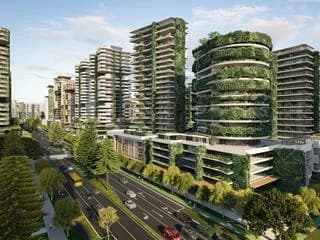
Brisbane is facing a significant challenge as preparations for the 2032 Olympics accelerate. With an estimated $3.5 billion needed to construct athletes’ villages, the Queensland government must navigate financial, logistical, and legacy considerations to deliver effective solutions. Deputy Premier Jarrod Bleijie has highlighted the financial strain posed by current plans inherited from the former Labor government, which propose housing 10,000 athletes across four village locations. “If the athletes' villages continue in those four locations as planned, it’s going to cost Queenslanders $3.5 billion,” he stated, emphasizing the urgent need for a reassessment. Unlike Paris, which began construction on its athletes’ village five years before the 2024 Games, Brisbane faces a tighter timeline and greater financial challenges. This has prompted concerns about whether the current approach is both feasible and sustainable. The proposed villages have sparked debate, not only regarding their ability to meet immediate Olympic needs but also their long-term value to Brisbane’s urban infrastructure. Critics caution that rushed decisions could lead to cost overruns and underutilized developments post-Games. Meanwhile, advocates stress the importance of balancing Olympic commitments with sustainable designs that integrate into Brisbane’s broader urban landscape. To address these concerns, the Queensland government is expected to review the existing plans and explore cost-effective alternatives. This process will likely involve consultation with urban planners, community representatives, and financial experts to ensure the investment reflects value for taxpayers and delivers enduring benefits for Brisbane. The outcome of these deliberations will play a critical role in shaping Brisbane’s Olympic legacy. Beyond meeting the International Olympic Committee’s requirements, the government faces the challenge of creating a model that serves the community long after the Games end. As Brisbane prepares for 2032, the question extends beyond the financial burden. It is about leveraging the opportunity to define a legacy of innovation, ambition, and sustainability that will benefit Queenslanders for decades to come.



Comments
No comments yet. Be the first to share a thought.