
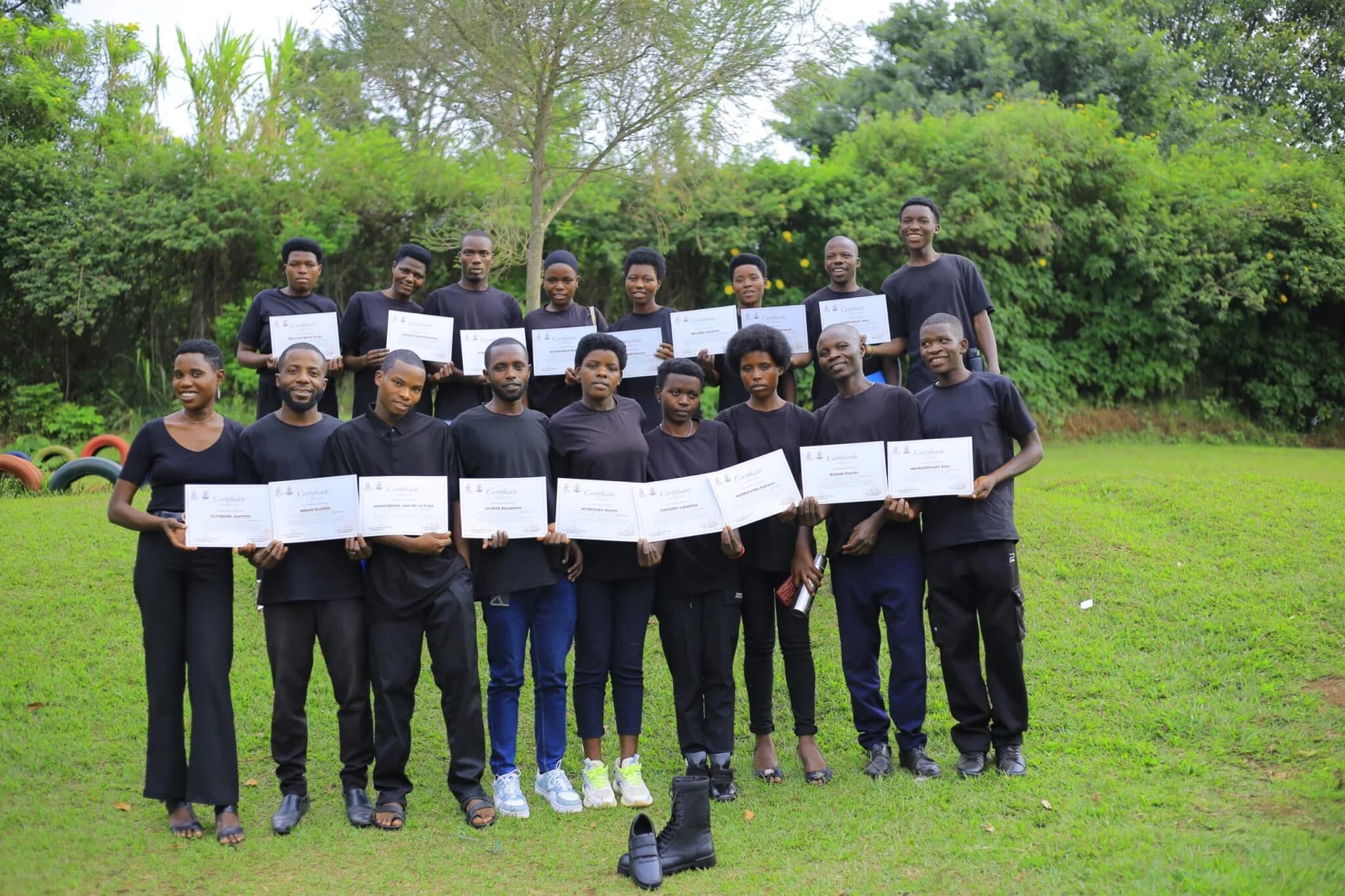
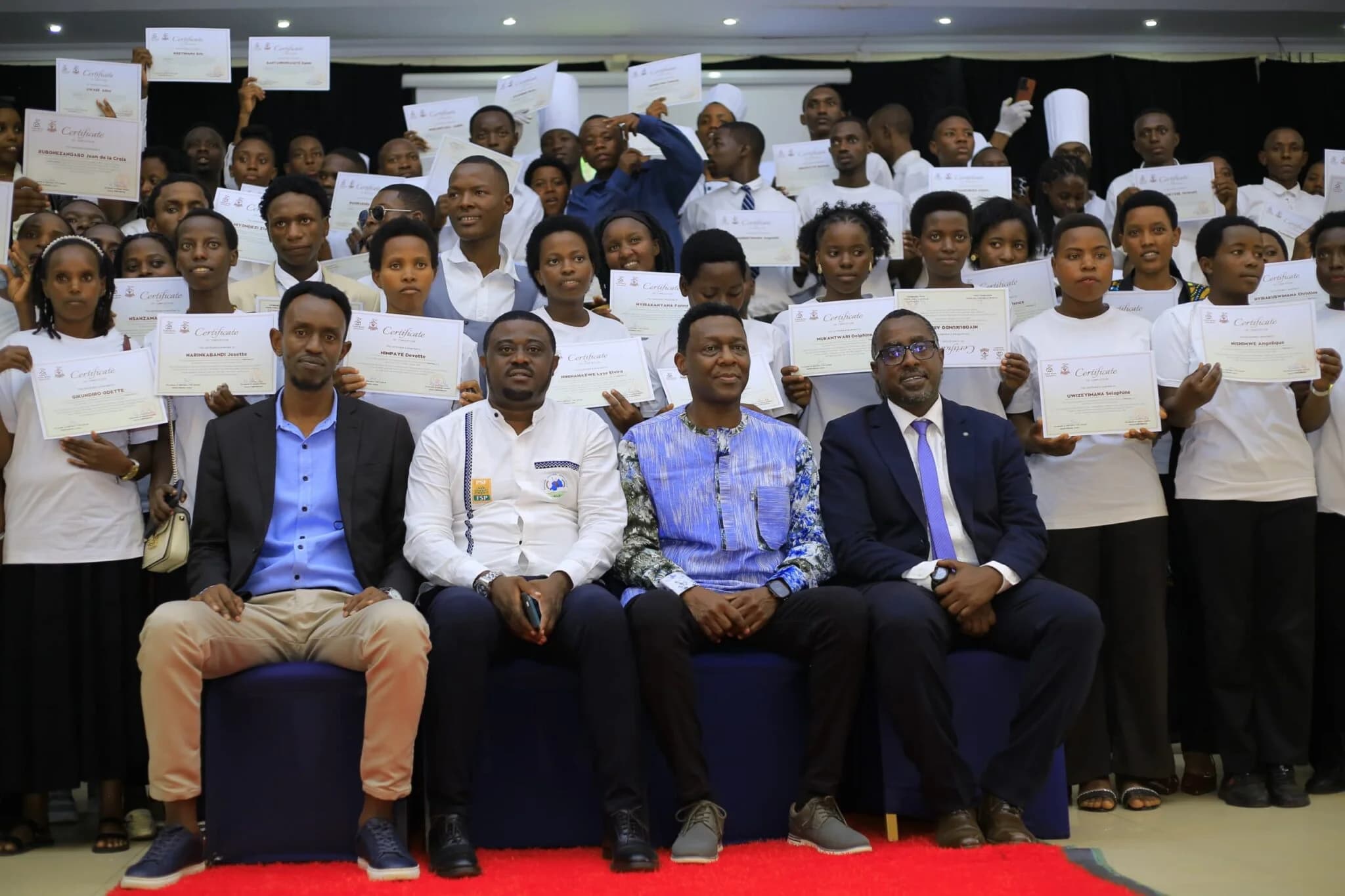
Refugees living at Mahama Refugee Camp in Kirehe District have completed an advanced (Level Two) vocational training programme in leather craftsmanship, marking a major step toward self-reliance and sustainable livelihoods. The graduates received certificates recognizing their skills in leather processing and production under an initiative aligned with the Made in Rwanda policy and implemented by the Rwanda Leather Association. The training focused on practical, market-driven skills, including the production of leather goods such as shoes, bags, and other accessories that are in high demand
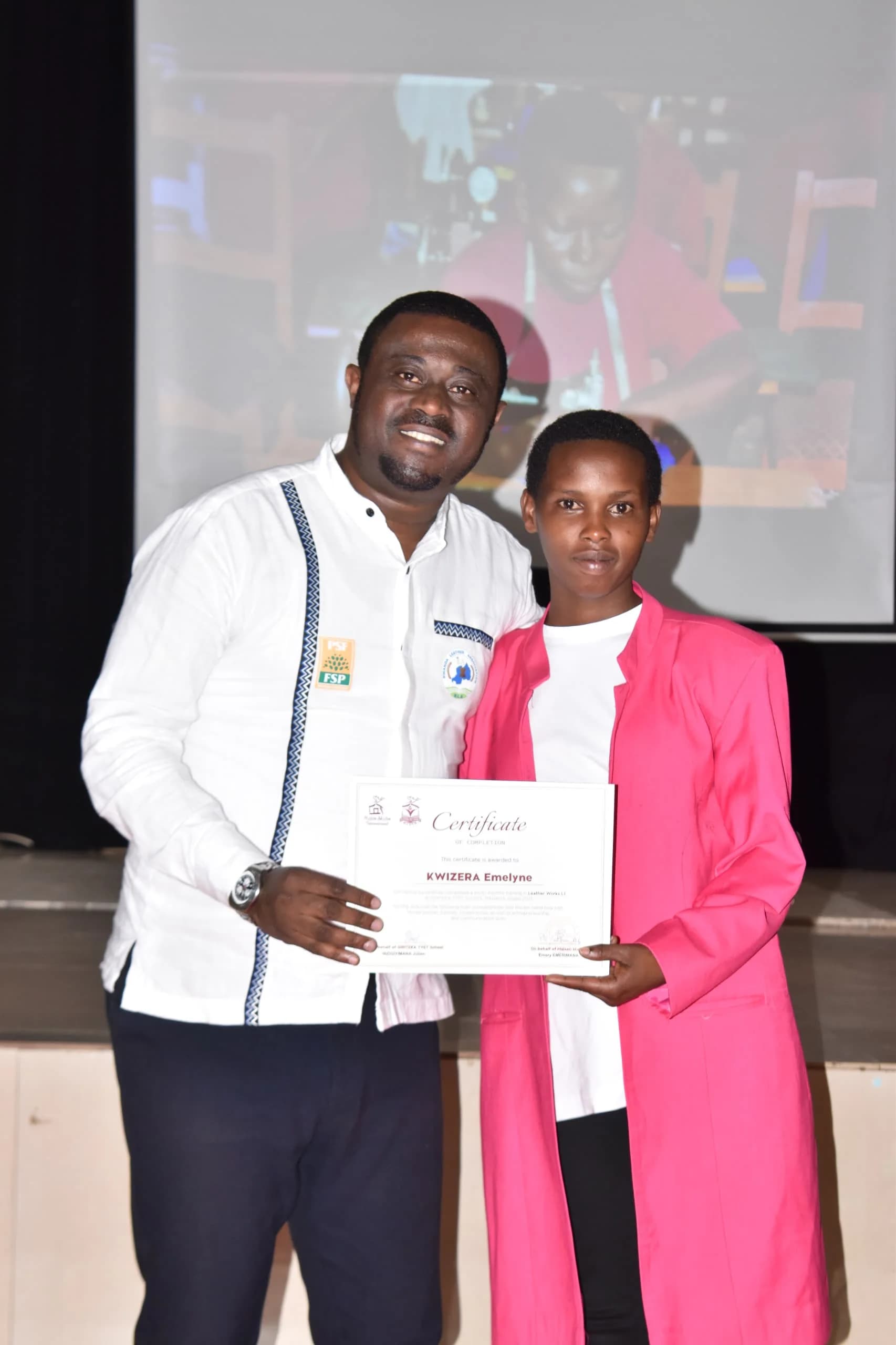
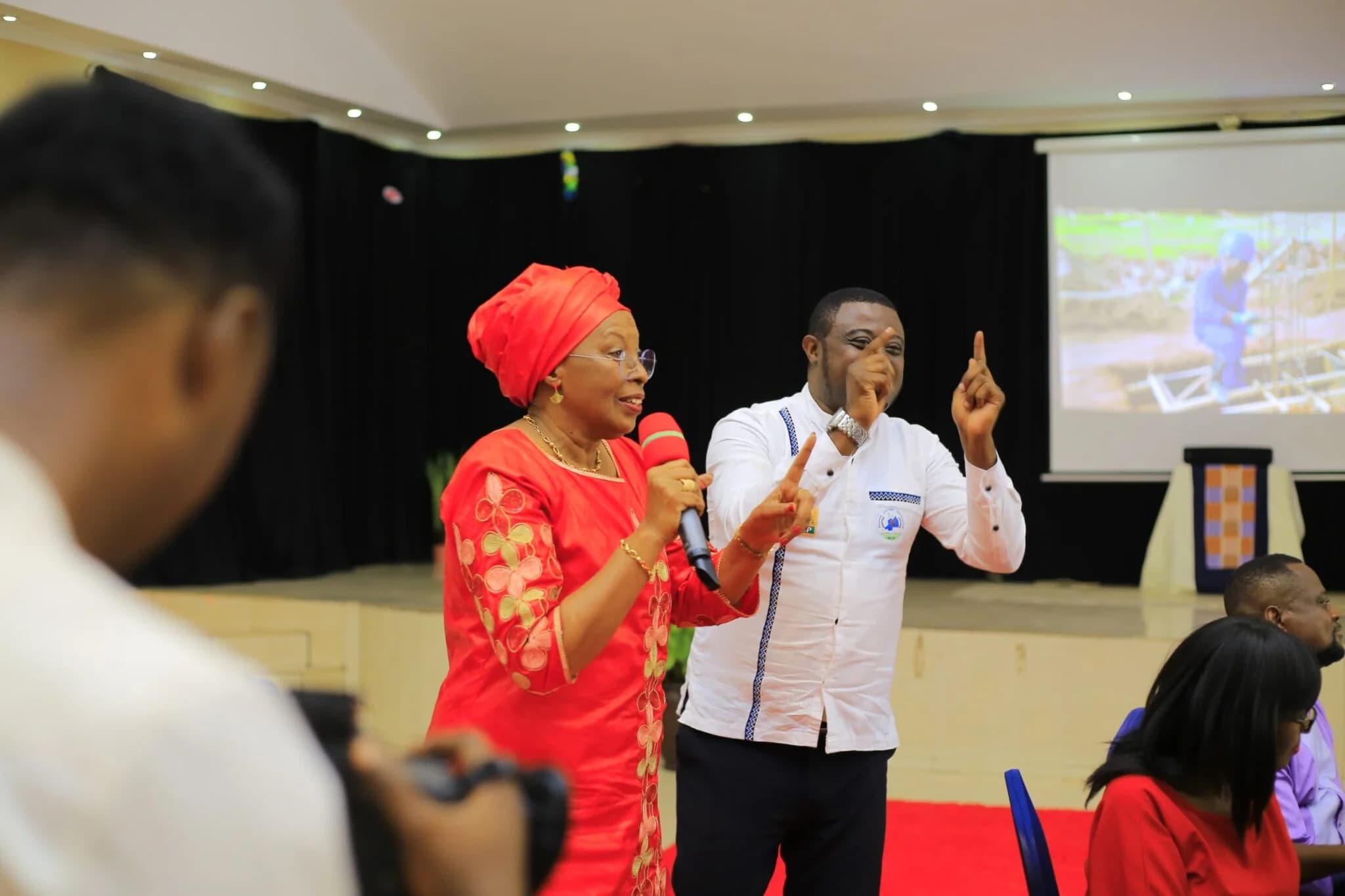
Refugees living at Mahama Refugee Camp in Kirehe District have completed an advanced (Level Two) vocational training programme in leather craftsmanship, marking a major step toward self-reliance and sustainable livelihoods. The graduates received certificates recognizing their skills in leather processing and production under an initiative aligned with the Made in Rwanda policy and implemented by the Rwanda Leather Association. The training focused on practical, market-driven skills, including the production of leather goods such as shoes, bags, and other accessories that are in high demand locally and internationally. The programme was designed to provide hands-on experience, enabling participants to earn an income and contribute to economic development despite living in displacement. The certificate award ceremony brought together leaders and development partners. D’Amour Kamayirese, Director of the Rwanda Leather Association, attended as the guest of honour and personally awarded certificates to several graduates. He praised the trainees for their dedication, discipline, and commitment throughout the programme. In his remarks, Kamayirese highlighted Rwanda’s values of solidarity, hospitality, and inclusive development. He said that supporting refugees goes beyond providing shelter and security, stressing the importance of equipping displaced people with practical skills to help them rebuild their lives with dignity. “Rwanda has a strong tradition of welcoming and supporting others,” he said. “What we see today reflects our national values and the vision of His Excellency President Paul Kagame. Hosting refugees is not only about safety, but also about empowering them with knowledge and skills so they can become self-reliant and productive.” He also pointed to the growing potential of the leather industry and encouraged graduates to apply their skills, embrace innovation, and take advantage of emerging market opportunities. Several beneficiaries expressed gratitude to the Government of Rwanda, describing the training as life-changing. Minani Richard said the programme had restored hope and opened a clear path toward economic independence. “After giving us refuge, the Government of Rwanda went further by providing access to vocational education,” he said. “The skills we gained will help us start businesses and improve our livelihoods. We are grateful to President Paul Kagame and the people of Rwanda for their support and solidarity.” Another graduate, Tuyisenge Janine, said the training boosted her confidence and broadened her future prospects. “We are happy to receive these certificates,” she said. “What we learned will help us earn a living, build confidence, and prepare for a better future. It shows that Rwanda’s development vision includes refugees as well.” The graduates said they are ready to apply their skills, work together, and contribute positively to the social and economic development of their host communities, despite the challenges of life in exile. The initiative reflects Rwanda’s comprehensive approach to refugee protection, which prioritizes not only safety and stability but also skills development, economic inclusion, and long-term resilience.





Comments
No comments yet. Be the first to share a thought.