
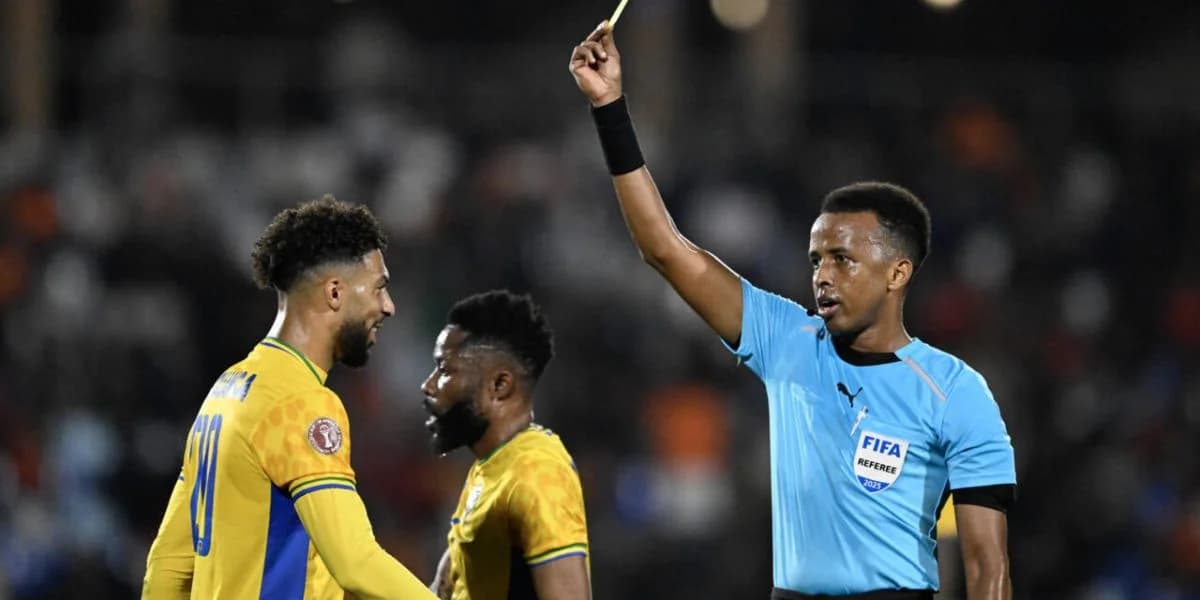
Canada has entered the growing international debate surrounding Somali referee Omar Abdulkadir Artan after the United States denied him entry ahead of preparations for the FIFA World Cup 2026. Artan, who was expected to be part of the officiating team for the tournament, was reportedly expelled from the United States despite holding FIFA accreditation and a diplomatic passport. The decision sparked widespread discussion within the football community, particularly after it prevented him from joining the official training base in Florida. In response, Canadian officials have signaled support for
Canada has entered the growing international debate surrounding Somali referee Omar Abdulkadir Artan after the United States denied him entry ahead of preparations for the FIFA World Cup 2026.
Artan, who was expected to be part of the officiating team for the tournament, was reportedly expelled from the United States despite holding FIFA accreditation and a diplomatic passport. The decision sparked widespread discussion within the football community, particularly after it prevented him from joining the official training base in Florida.
In response, Canadian officials have signaled support for the referee. David Eby, Premier of British Columbia, stated that the province would welcome Artan and allow him to officiate matches scheduled to take place in Vancouver during the tournament.
“British Columbia would welcome Omar Artan,” Eby said, emphasizing that the referee should be given the opportunity to continue his duties for World Cup matches hosted in Canada.
The statement has added a new dimension to the controversy, highlighting differing approaches between host nations. While the United States continues to face criticism over strict immigration and visa policies affecting tournament officials, Canada has positioned itself as more open to accommodating international participants.
Football observers say the situation raises broader questions about coordination among host countries for major global events, especially when officials and teams must move freely across borders.
For Artan, the support from Canada offers a potential path forward after a significant setback. However, it remains unclear whether FIFA or tournament organizers will officially reassign him to matches in Vancouver.
As the World Cup 2026 approaches, the case has become a focal point in discussions about sport, politics, and international mobility within global football governance.



Comments
No comments yet. Be the first to share a thought.