
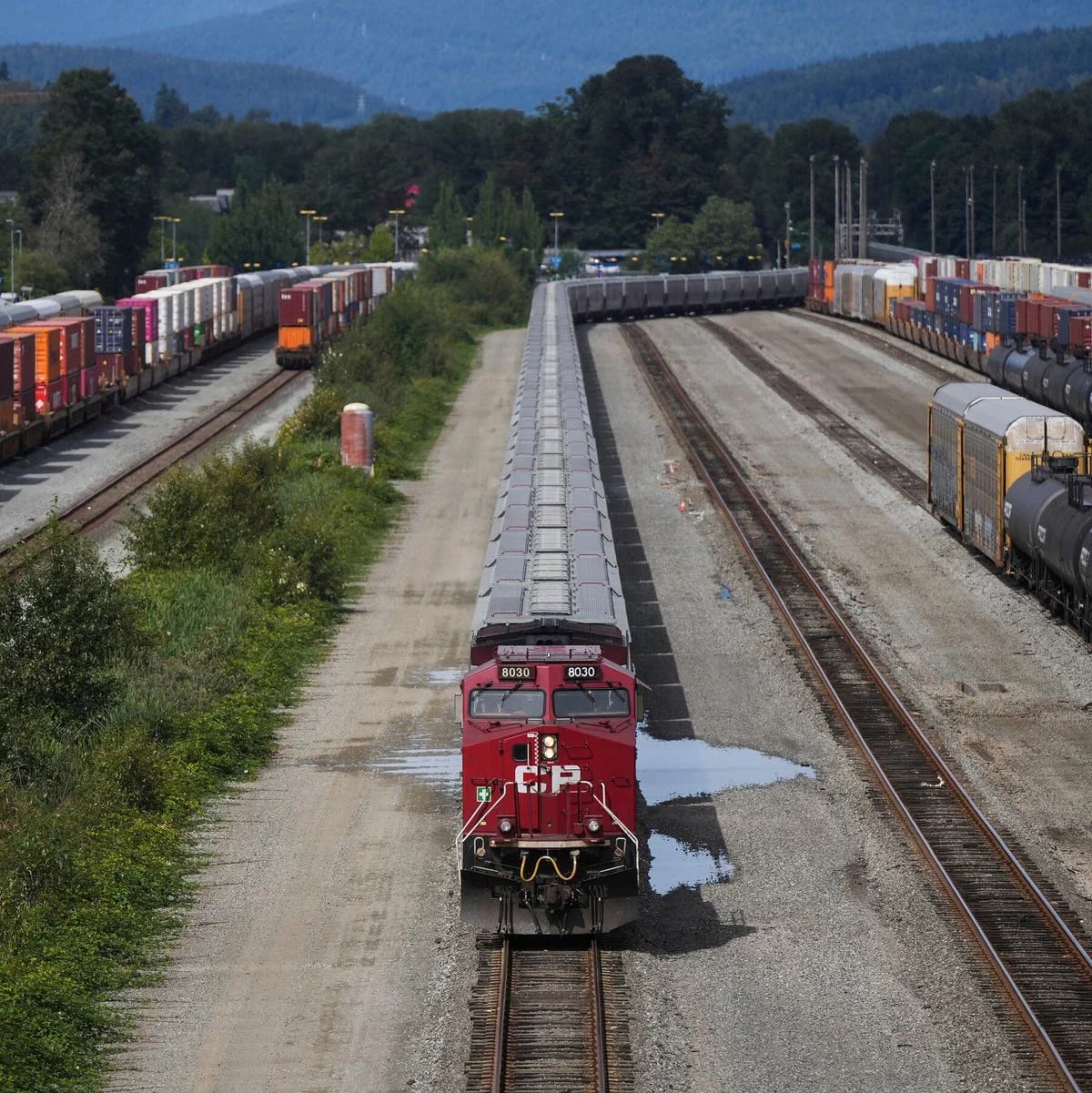
In a significant disruption to North American supply chains, Canada’s two major freight railroads, Canadian National (CN) and Canadian Pacific Kansas City (CPKC), have halted operations due to a severe contract dispute with their workers. This standoff could have far-reaching economic repercussions for both Canadian and U.S. businesses and consumers. The labor conflict escalated when CN and CPKC both implemented a lockout of their employees after the deadline for new agreements with the Teamsters Canada Rail Conference (TCRC) passed on Thursday. The TCRC, which represents approximately 10,000
In a significant disruption to North American supply chains, Canada’s two major freight railroads, Canadian National (CN) and Canadian Pacific Kansas City (CPKC), have halted operations due to a severe contract dispute with their workers. This standoff could have far-reaching economic repercussions for both Canadian and U.S. businesses and consumers. The labor conflict escalated when CN and CPKC both implemented a lockout of their employees after the deadline for new agreements with the Teamsters Canada Rail Conference (TCRC) passed on Thursday. The TCRC, which represents approximately 10,000 engineers, conductors, and dispatchers, has been in negotiations with the railroads over contract terms that have yet to be resolved. The lockout effectively grounds operations for both railroads, which are critical to the transportation of goods across the continent. The halted services are expected to impact a wide range of industries, from manufacturing to agriculture, causing potential delays and increased costs for businesses reliant on rail transport. This disruption not only affects Canadian supply chains but also has significant implications for U.S. businesses, given the interconnected nature of the North American freight network. The standoff underscores the crucial role of freight railroads in the economy, and the absence of these critical services could lead to a cascade of logistical challenges. The halt in operations is likely to exacerbate existing supply chain issues and could lead to shortages of goods, rising prices, and increased pressure on alternative transportation methods. As the situation develops, both CN and CPKC are expected to continue negotiations with the TCRC in hopes of reaching a resolution and resuming operations. The outcome of these negotiations will be closely watched, as it will determine the speed at which normal operations can be restored and the extent of the economic impact on businesses and consumers across North America. For now, the halt in freight rail operations serves as a stark reminder of the vital role that transportation infrastructure plays in the smooth functioning of the economy and the potential consequences when labor disputes disrupt these essential services.



Comments
No comments yet. Be the first to share a thought.