
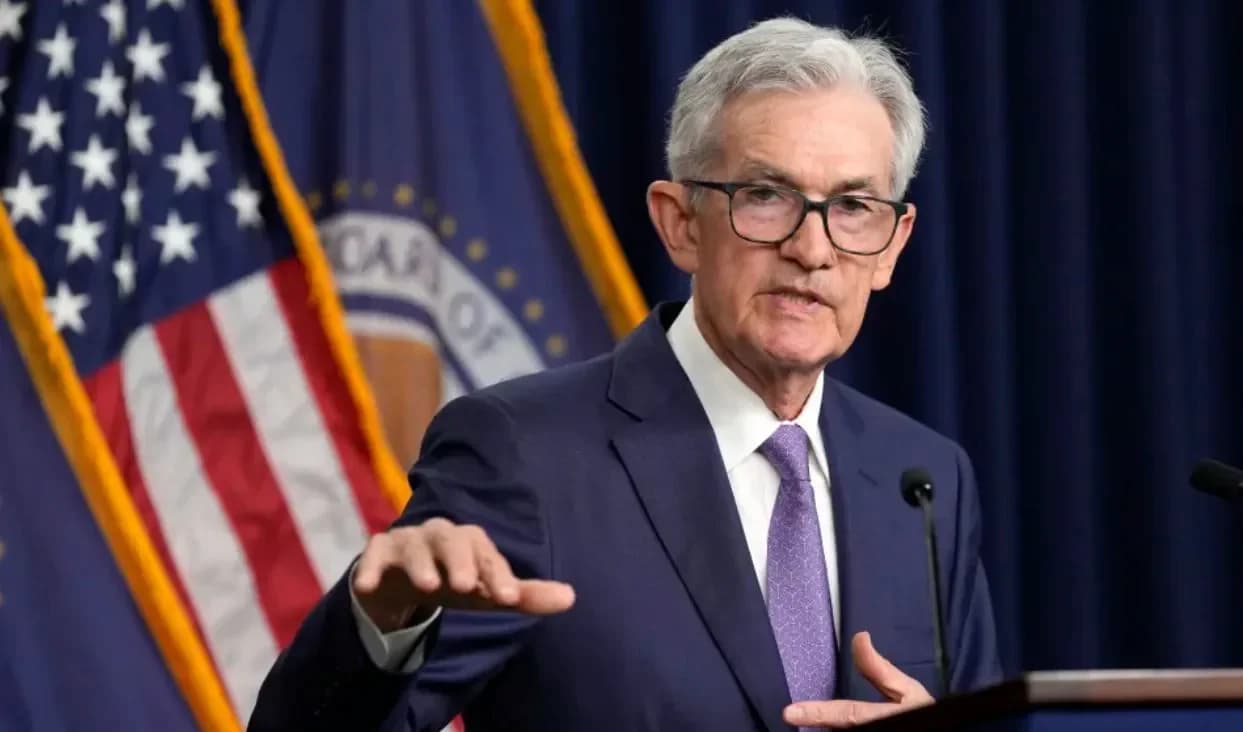
In a recent statement, Federal Reserve Chair Jerome Powell highlighted notable progress in the ongoing battle against inflation. Despite this progress, Powell emphasized the necessity of caution, expressing concerns about premature actions that could jeopardize the downward trend of price increases. Powell's comments come at a crucial time as the U.S. economy grapples with the aftereffects of the pandemic, supply chain disruptions, and other global economic challenges. Inflation, a persistent issue over the past year, has shown signs of abating, offering a glimmer of hope for consumers and bu
In a recent statement, Federal Reserve Chair Jerome Powell highlighted notable progress in the ongoing battle against inflation. Despite this progress, Powell emphasized the necessity of caution, expressing concerns about premature actions that could jeopardize the downward trend of price increases. Powell's comments come at a crucial time as the U.S. economy grapples with the aftereffects of the pandemic, supply chain disruptions, and other global economic challenges. Inflation, a persistent issue over the past year, has shown signs of abating, offering a glimmer of hope for consumers and businesses alike. Progress on Inflation The Federal Reserve's aggressive monetary policies have begun to bear fruit, as evidenced by the recent slowdown in inflation rates. Powell pointed out several indicators that suggest inflationary pressures are easing. These include stabilizing commodity prices, improved supply chain dynamics, and a deceleration in the growth of housing costs. Such developments are critical for restoring economic stability and ensuring the purchasing power of the average American. Lower inflation rates translate to more predictable costs for goods and services, which in turn fosters consumer confidence and spending. The Risks of Moving Too Soon Despite these positive signs, Powell remains wary of the potential pitfalls of acting prematurely. He underscored the importance of maintaining a careful balance between continuing to support economic growth and preventing a resurgence of inflation. The risk, he noted, is that premature easing of monetary policies could undermine the progress made so far and potentially lead to a re-acceleration of price increases. Powell's caution is grounded in historical precedent. The 1970s and 1980s saw several instances where the premature relaxation of monetary policies led to renewed inflationary pressures, ultimately necessitating even stricter measures to bring inflation under control. Powell aims to avoid repeating these mistakes by adopting a measured approach to policy adjustments. Strategic Patience The Federal Reserve's strategy involves a gradual and data-driven approach to modifying its policies. This means closely monitoring economic indicators and adjusting interest rates and other monetary tools as needed. By doing so, the Fed aims to sustain economic growth while keeping inflation in check. Powell also highlighted the importance of clear communication with the public and the markets. Transparent and consistent messaging helps manage expectations and reduces the risk of market volatility. It also underscores the Fed's commitment to its dual mandate of promoting maximum employment and stable prices



Comments
No comments yet. Be the first to share a thought.