
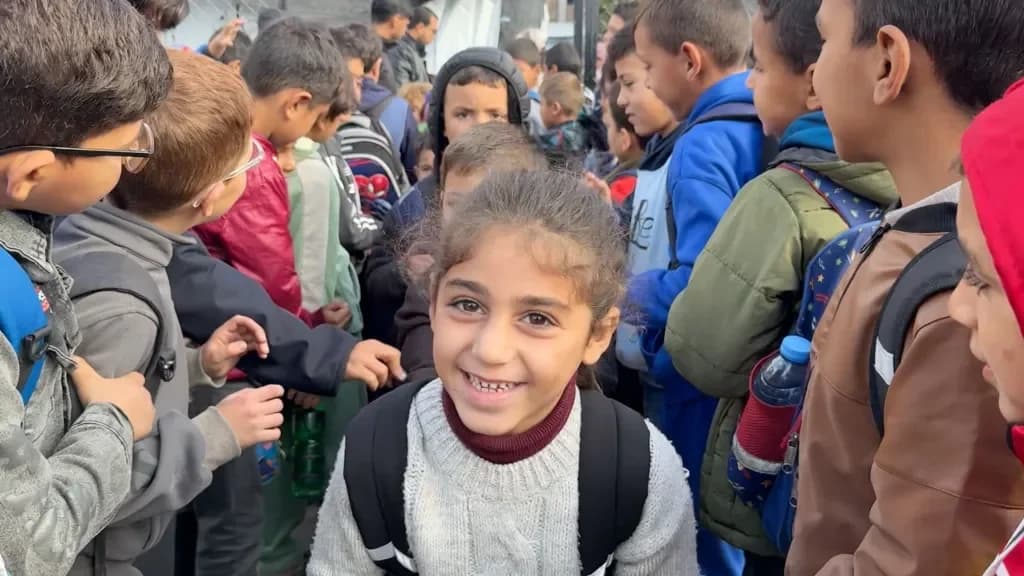
In Gaza City, a sound long absent is slowly returning: the voices of children learning. After nearly two years of war and disruption, pupils are once again gathering for lessons—this time not in proper classrooms, but in tents erected amid the ruins of destroyed schools. Following the Israel–Hamas ceasefire in October, makeshift schools have begun operating across parts of Gaza. It is a fragile and limited return to education, yet for thousands of children, it marks the first sense of routine they have known since the war began. At the site of the former Lulwa Abdel Wahab al-Qatami School in
In Gaza City, a sound long absent is slowly returning: the voices of children learning. After nearly two years of war and disruption, pupils are once again gathering for lessons—this time not in proper classrooms, but in tents erected amid the ruins of destroyed schools. Following the Israel–Hamas ceasefire in October, makeshift schools have begun operating across parts of Gaza. It is a fragile and limited return to education, yet for thousands of children, it marks the first sense of routine they have known since the war began. At the site of the former Lulwa Abdel Wahab al-Qatami School in the Tel al-Hawa neighbourhood of south-west Gaza City, tents now serve as classrooms. The school building was struck in January 2024 and later became a shelter for displaced families. Today, it hosts rows of children learning basic Arabic, English, mathematics and science. According to Unicef, more than 97% of schools in Gaza were damaged or destroyed during the war. Of the territory’s estimated 658,000 school-aged children, most have received no formal education for almost two years. Many have lived through hunger, displacement and the loss of family members. Fourteen-year-old Naeem al-Asmaar is one of them. He attended this school before it was destroyed and lost his mother in an Israeli air strike. “It was the hardest thing I’ve ever been through,” he says quietly. “Before the war, school was in real classrooms. Now it’s tents. The education is not the same—but being here matters.” Rital Alaa Harb, a ninth-grade student who dreams of becoming a dentist, says displacement completely disrupted her studies. “There was no time to learn. No schools. I missed my friends so much,” she says. The temporary school, supported by Unicef, brings together children from the original school and others displaced by the fighting. It operates in three shifts a day, serving about 1,100 students with just 24 teachers. Boys and girls attend on alternating days due to limited space. Dr Mohammed Saeed Schheiber, the principal, says the challenges are immense. “Before the war, we had laboratories, computers and internet access. All of that is gone,” he explains. There is no electricity, no connectivity, and many children are suffering from deep psychological trauma.
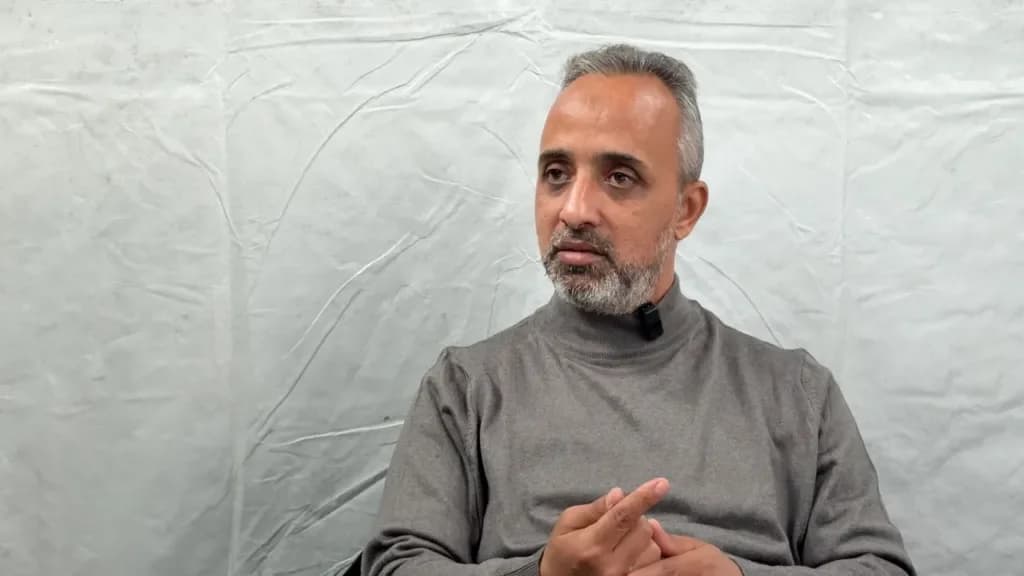
Dr Mohammed Saeed Schheiber, the principal of the makeshift school in Gaza City, says many students are struggling with trauma after nearly two years of war.
More than 100 students at the school have lost one or both parents or witnessed killings. Every child, Dr Schheiber says, has been affected in some way. A counsellor now provides psychological support, but demand far exceeds capacity. Parents also face mounting pressure. Huda Bassam al-Dasouki, a mother of five, says education has become extremely difficult. “A notebook that cost one shekel before the war now costs five,” she says. “Some children have fallen four years behind.” Unicef says restrictions on aid supplies entering Gaza have worsened the situation. Essential items such as notebooks, pens and recreational kits for mental health support are in short supply. Israel says it is facilitating aid deliveries under the ceasefire, but the UN and aid agencies dispute that claim. Despite continued insecurity and ongoing strikes, children keep coming to school.
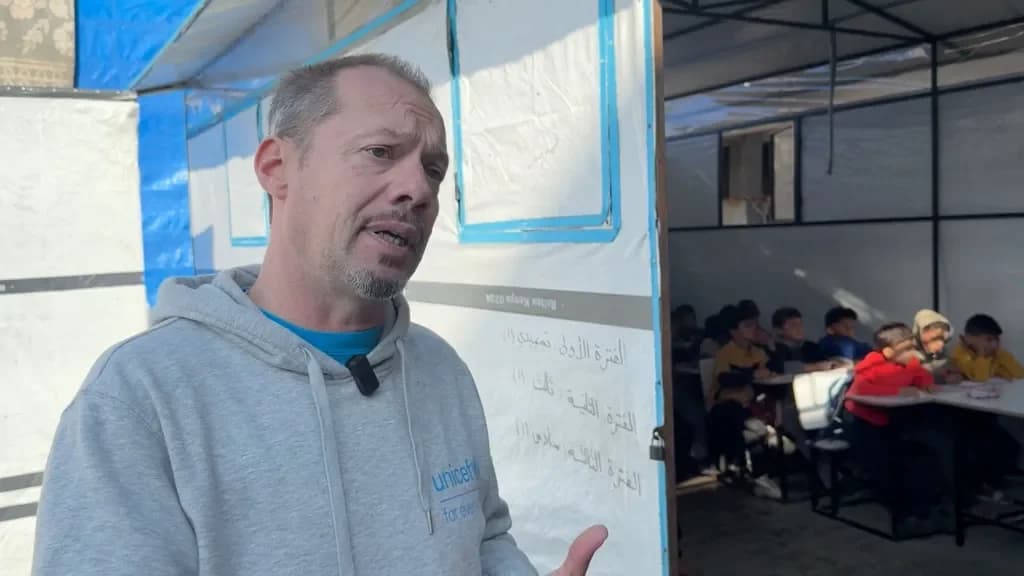
Jonathan Crickx, a Unicef spokesman, says schools in Gaza have been severely affected by restrictions on aid supplies, limiting access to basic learning and psychosocial materials.
“Education is our foundation,” says teacher Kholoud Habib. “We may lose everything else, but knowledge is the one investment we can still give our children.”
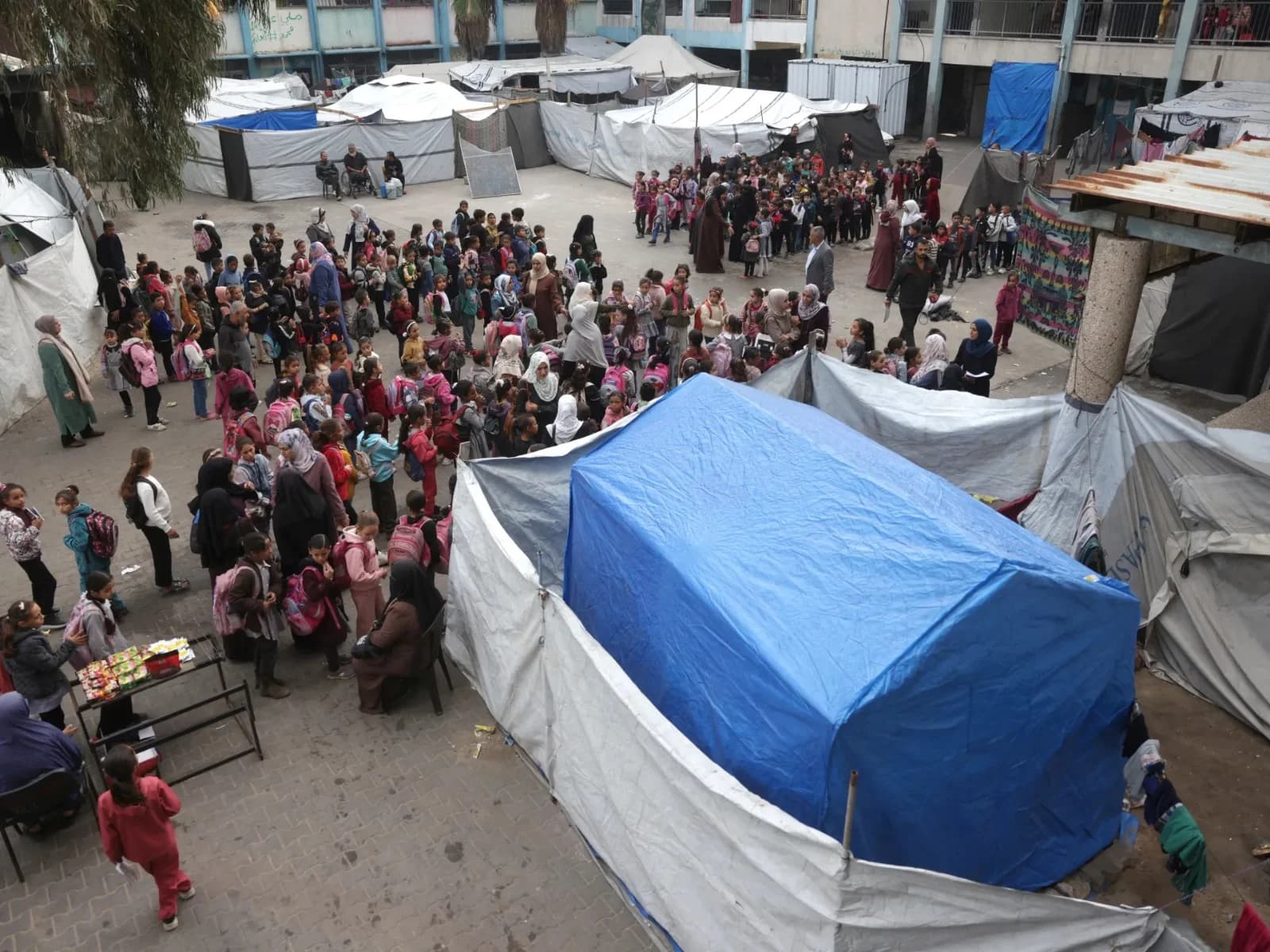
Makeshift tents replace destroyed school buildings as students resume lessons following the ceasefire.
Source: BBC News



Comments
No comments yet. Be the first to share a thought.