
China has deployed three naval vessels and more than 700 personnel to waters near Somalia as concerns over renewed piracy in the Western Indian Ocean and Gulf of Aden prompt African countries to strengthen their own maritime security efforts. The deployment is part of China’s 49th naval escort fleet , which includes the guided-missile destroyer Kunming , guided-missile frigate Yueyang and supply ship Luomahu , as well as two helicopters and special operations personnel. The fleet departed the Chinese port city of Sanya on August 12 and is taking over from China’s previous escort mission in the
China has deployed three naval vessels and more than 700 personnel to waters near Somalia as concerns over renewed piracy in the Western Indian Ocean and Gulf of Aden prompt African countries to strengthen their own maritime security efforts.
The deployment is part of China’s 49th naval escort fleet, which includes the guided-missile destroyer Kunming, guided-missile frigate Yueyang and supply ship Luomahu, as well as two helicopters and special operations personnel. The fleet departed the Chinese port city of Sanya on August 12 and is taking over from China’s previous escort mission in the region.
China has maintained a naval presence in the Gulf of Aden and waters off Somalia since 2008, primarily to protect commercial shipping and combat piracy along one of the world’s most important maritime corridors.
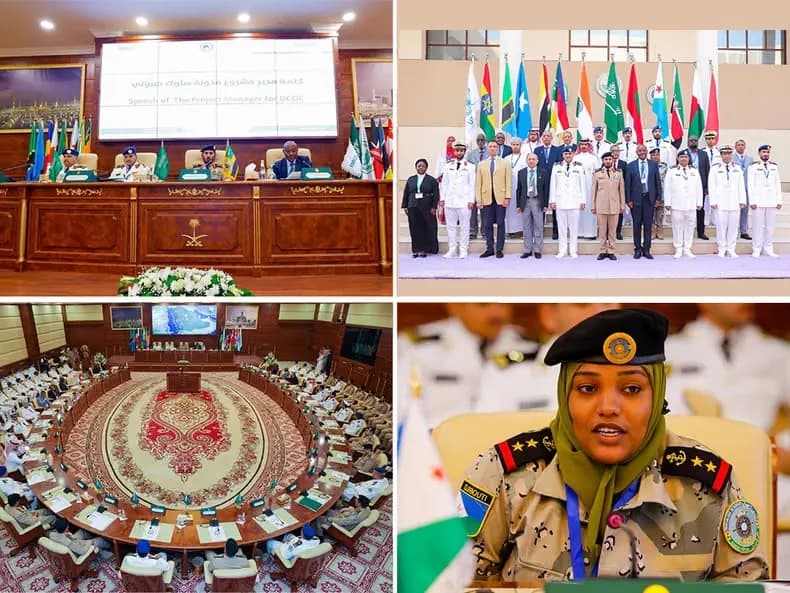
The latest deployment comes as African states move toward establishing a new regional mechanism to respond to a reported resurgence in piracy and armed attacks against vessels. Countries participating in the Djibouti Code of Conduct/Jeddah Amendment have agreed to establish a Combined DCoC Task Force aimed at improving coordination among coastal states.
The proposed African-led force is expected to coordinate maritime operations, strengthen protection for ships and seafarers and complement existing international missions rather than replace them. Its final structure, participating countries and naval assets have yet to be determined.
The renewed focus on maritime security reflects concerns that the conditions that previously allowed piracy to flourish have not been completely eliminated. Regional officials are calling for stronger cooperation, sustained monitoring and greater African ownership of security operations at sea.
The strategic importance of the region extends far beyond Somalia. The waters connect the Indian Ocean with the Red Sea and the Suez Canal, making them a critical passage for international trade. Any sustained disruption could increase shipping costs, delay deliveries and place additional pressure on already vulnerable global supply chains.
China’s continued naval presence and Africa’s planned regional task force therefore represent two parallel responses to the same challenge: protecting one of the world’s most strategically important maritime routes as piracy concerns return alongside wider instability around the Red Sea.



Comments
No comments yet. Be the first to share a thought.