
China is resisting the Trump administration’s campaign to economically isolate Iran, creating a major challenge for Washington as it seeks to increase pressure on Tehran without relying primarily on military action. US Treasury Secretary Scott Bessent has called for what he describes as the toughest sanctions campaign ever imposed on Iran. Washington wants allies and major trading partners to participate in a coordinated effort designed to weaken Iran’s economy and pressure its leadership. China, however, has little incentive to support the strategy. As one of the world’s largest oil importe
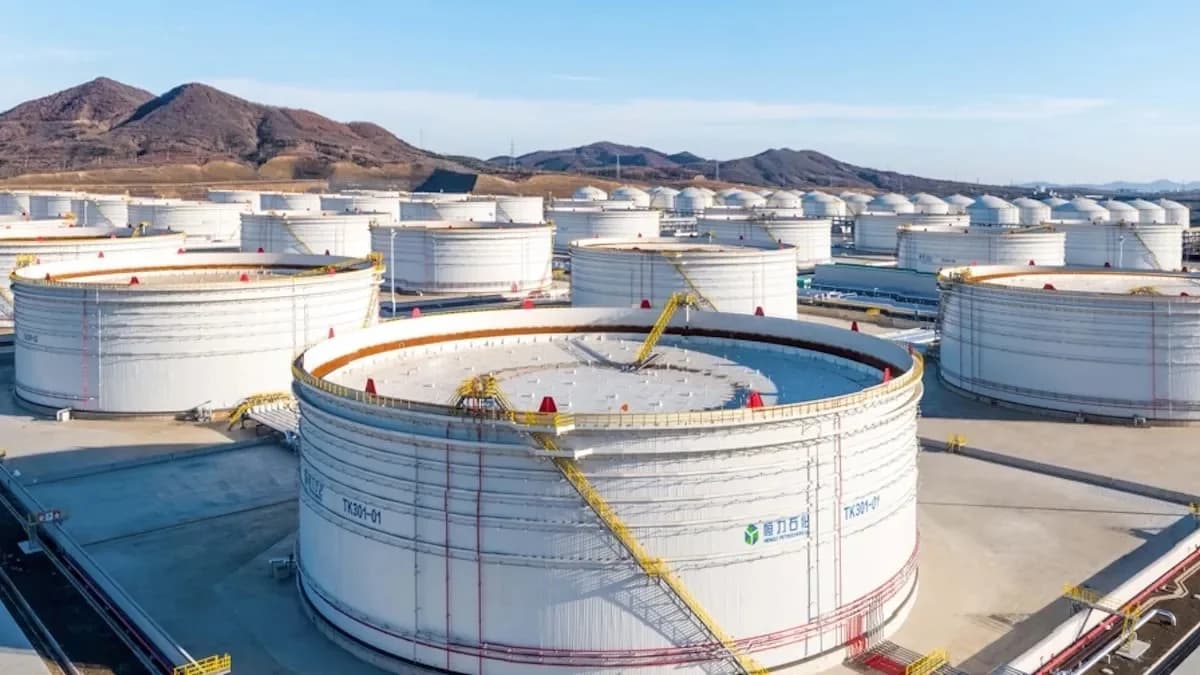
China is resisting the Trump administration’s campaign to economically isolate Iran, creating a major challenge for Washington as it seeks to increase pressure on Tehran without relying primarily on military action. US Treasury Secretary Scott Bessent has called for what he describes as the toughest sanctions campaign ever imposed on Iran. Washington wants allies and major trading partners to participate in a coordinated effort designed to weaken Iran’s economy and pressure its leadership. China, however, has little incentive to support the strategy. As one of the world’s largest oil importers, Beijing has significant interests in maintaining access to energy supplies from Iran and avoiding measures that could disrupt global oil markets or push prices higher. The dispute has already affected China’s refining industry. The US Treasury Department has added Hengli Petrochemical, which operates a major refining and petrochemical complex, to its sanctions list. The move represents a significant escalation in Washington’s pressure on Chinese companies involved in Iran-related energy activities. For Beijing, cooperating fully with Washington could threaten its energy security and broader economic interests. China has maintained economic relations with Iran despite years of US sanctions, reflecting its wider strategy of protecting access to energy and strengthening ties with countries that oppose American pressure. The issue also carries risks for the United States. China is one of America’s largest trading partners, meaning an aggressive sanctions campaign could trigger retaliation and create additional pressure on businesses and global supply chains. With US midterm elections approaching, President Donald Trump must also consider the domestic consequences of further escalation. Higher oil prices could increase costs for American consumers and businesses, potentially creating political difficulties. Washington therefore faces a difficult balancing act: increasing pressure on Iran while avoiding a damaging confrontation with China. The coming months will show whether Trump can persuade Beijing to cooperate or whether China’s energy interests will ultimately outweigh Washington’s demands for a coordinated economic campaign against Tehran.



Comments
No comments yet. Be the first to share a thought.