
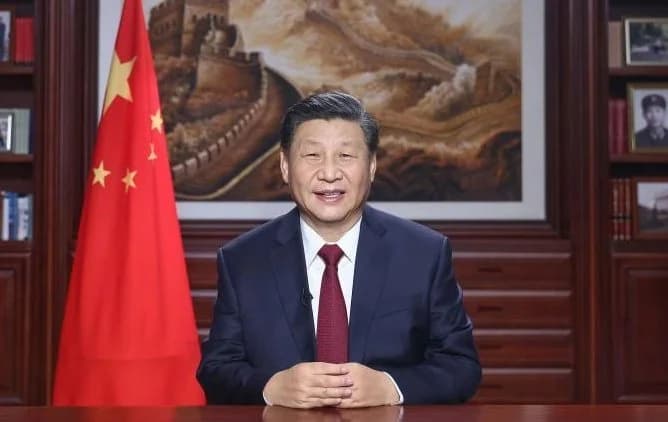
Beijing’s sweeping zero-duty policy is set to reshape China–Africa trade, offering new export opportunities while raising fresh questions about competitiveness and dependency. China has announced it will remove all import tariffs on goods entering its market from 53 African countries with which it has diplomatic relations, allowing eligible exports to reach Chinese consumers duty-free from May 1, 2026. The policy, confirmed in reporting by Reuters, marks one of the most significant trade openings China has offered Africa in decades and signals Beijing’s intention to deepen its economic partn
Beijing’s sweeping zero-duty policy is set to reshape China–Africa trade, offering new export opportunities while raising fresh questions about competitiveness and dependency. China has announced it will remove all import tariffs on goods entering its market from 53 African countries with which it has diplomatic relations, allowing eligible exports to reach Chinese consumers duty-free from May 1, 2026. The policy, confirmed in reporting by Reuters, marks one of the most significant trade openings China has offered Africa in decades and signals Beijing’s intention to deepen its economic partnership with the continent at a time of shifting global alliances.
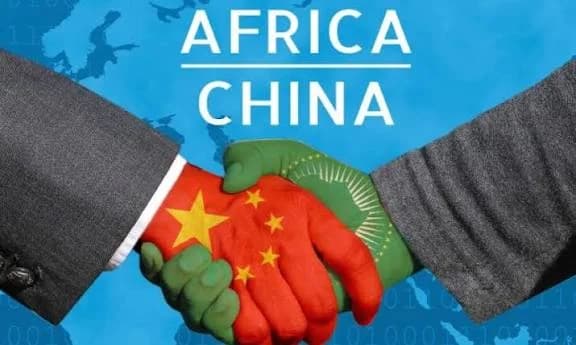
This marks a strong hand in hand partnership between African countries and China in different sectors
The decision is expected to expand African access to the world’s second-largest economy, potentially boosting exports in agriculture, manufacturing, and natural resources.
A Landmark Expansion in China–Africa Economic Ties
China is already Africa’s largest trading partner, importing billions of dollars in commodities and agricultural products each year. But tariffs and other barriers have often limited Africa’s ability to compete in the Chinese market. Under the new arrangement, Beijing will eliminate those import taxes across almost all African diplomatic partners, widening a trade preference system that previously applied mainly to the continent’s least-developed economies. President Xi Jinping, according to Reuters, framed the move as part of China’s broader commitment to “shared development” with African nations.
Who the Policy Covers and Who Is Left Out
The zero-tariff treatment applies to 53 African countries, essentially covering the entire continent with one notable exception. Eswatini is not included, as it does not have diplomatic relations with Beijing, instead maintaining formal ties with Taiwan highlighting the geopolitical dimension of China’s trade policy.
From 33 Countries to a Continent-Wide Deal
China has already offered duty-free access to imports from 33 least-developed African countries. The May 2026 expansion adds another 20 nations, including larger and more industrialised economies. This broadening could significantly increase the range of African products entering China without tariff costs, from processed foods to textiles and manufactured goods. Economic Promise: New Market Access for African Exporters For African economies seeking growth beyond traditional partners, the policy offers a major opportunity. Export sectors that could benefit include: •Coffee, tea, and fresh produce •Minerals and industrial inputs •Processed agricultural goods •Light manufacturing and textiles With tariffs removed, African exporters may gain stronger price competitiveness, potentially increasing foreign exchange earnings and supporting job creation in export-driven industries. Several analysts view the move as a chance for African countries to diversify trade and reduce barriers to one of the world’s largest consumer markets. Strategic Angle: Beijing Strengthens Its Global South Position China’s announcement comes amid rising global trade tensions and protectionist policies elsewhere, particularly in Western markets. Observers say Beijing’s decision reinforces its positioning as a leading economic partner for developing nations, using trade access as a tool of long-term influence. TRT World described the policy as part of China’s broader push to consolidate alliances across the Global South and expand economic diplomacy through concrete incentives.
Diplomacy Through Trade
Beyond economics, the announcement carries diplomatic weight. China has consistently used platforms such as the Forum on China–Africa Cooperation (FOCAC) to frame its engagement as mutually beneficial development rather than conditional partnership.
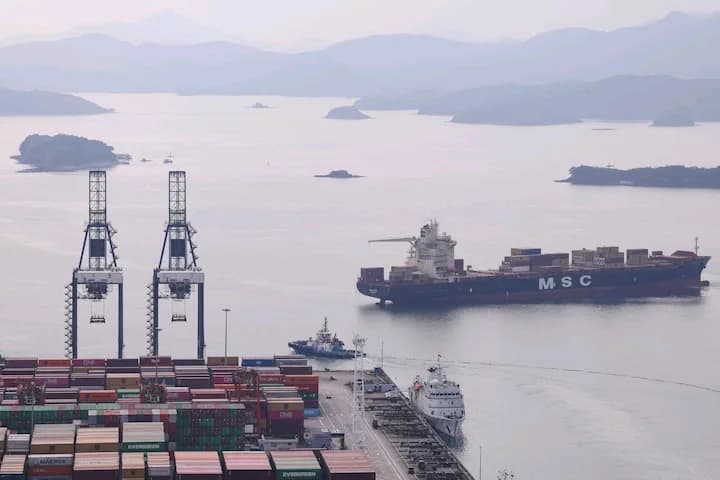
This tariffs removal comes after lengthy discussion between African countries and China in china Africa summit
News.az noted that the tariff elimination is being presented as a step toward deeper China–Africa economic integration, strengthening ties at both political and commercial levels. Challenges Ahead: Tariffs Are Only One Barrier While removing tariffs is significant, experts caution that African exporters still face major hurdles, including: •Limited industrial production capacity •Logistics and shipping constraints •Meeting Chinese regulatory and quality standards •The risk of continued dependence on raw commodity exports Economists argue that without investment in processing industries and stronger trade infrastructure, many African countries may struggle to fully capitalise on the policy.
A Turning Point for China–Africa Trade
The zero-tariff policy, scheduled to begin on May 1, 2026, could become one of the most consequential trade shifts in modern China–Africa relations. If implemented effectively, it may open new pathways for African exports, deepen Beijing’s economic footprint on the continent, and accelerate Africa’s integration into Asian consumer markets. As Reuters reported, the move reflects China’s long-term strategy of expanding trade ties with Africa at a pivotal moment in global economic realignment.



Comments
No comments yet. Be the first to share a thought.