
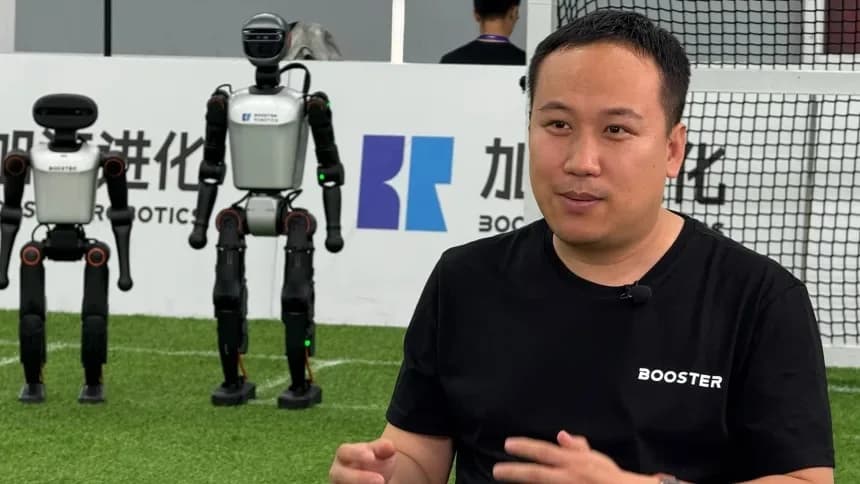
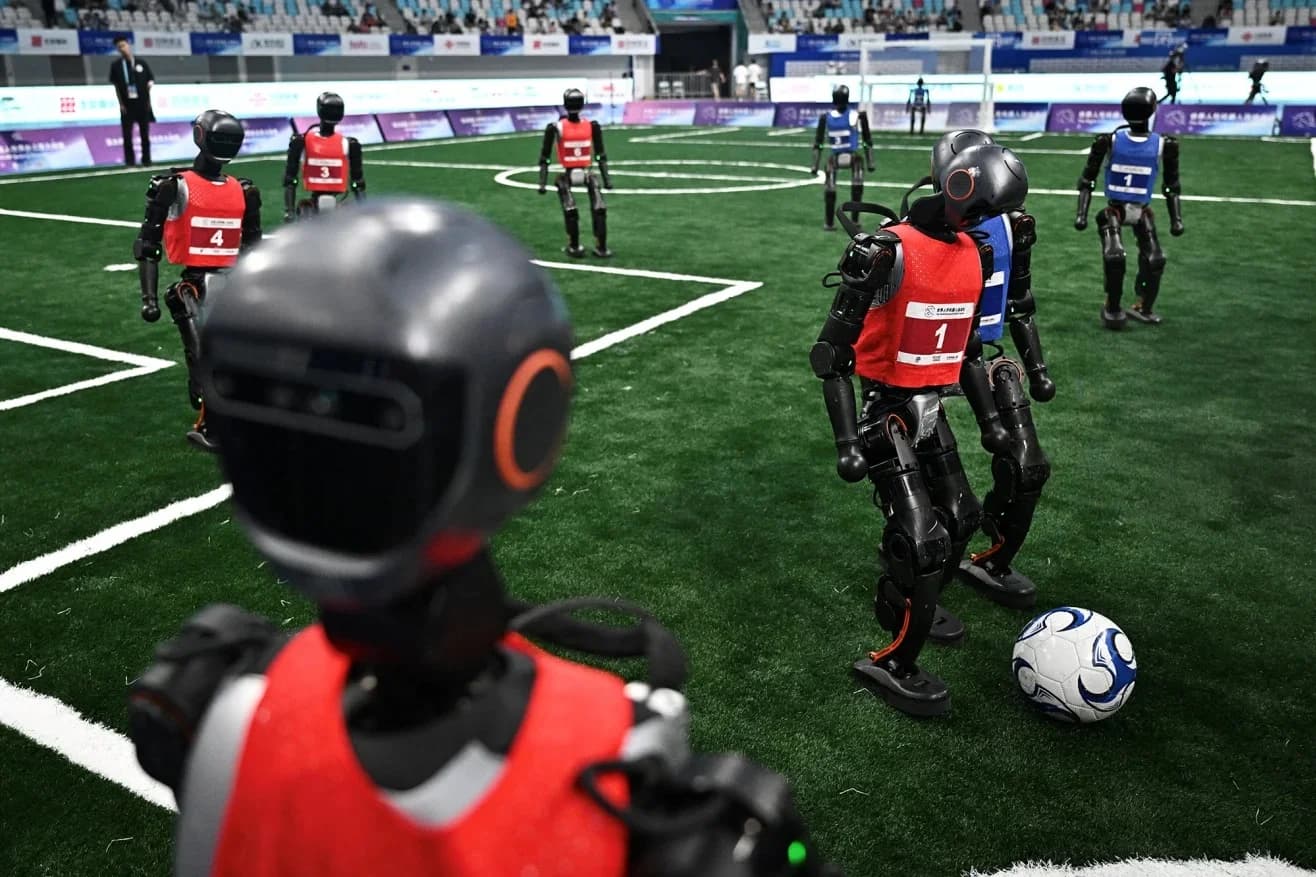
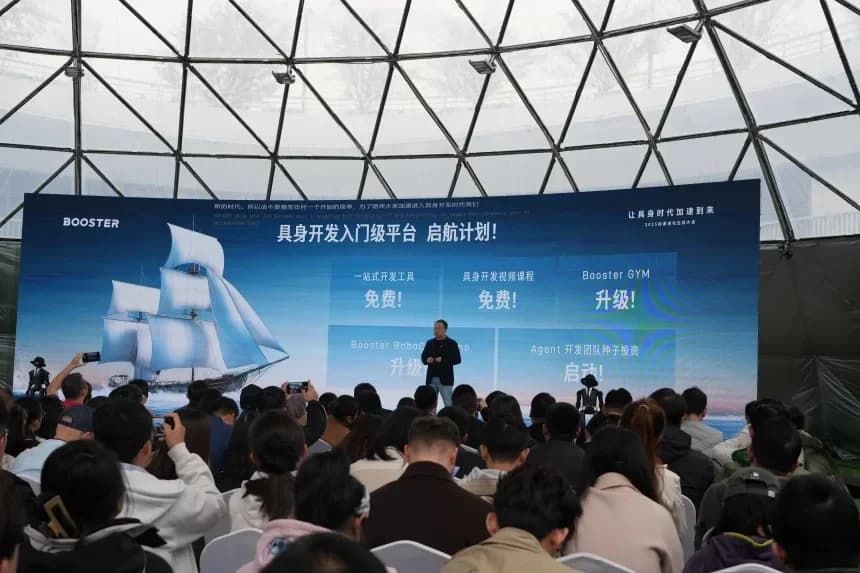
China’s growing fascination with robot sports is doing more than entertaining crowds — it is fast becoming a launchpad for a future in which humanoid robots could enter homes, factories and daily life. On the outskirts of Beijing, start-ups like Booster Robotics are training human-like robots to play soccer using artificial intelligence. These machines can dribble, pass, shoot and defend, mimicking the complexity of human movement and decision-making. For founders such as Cheng Hao, robot sports are not the end goal but a testing ground for advanced technologies that can later be applied in m
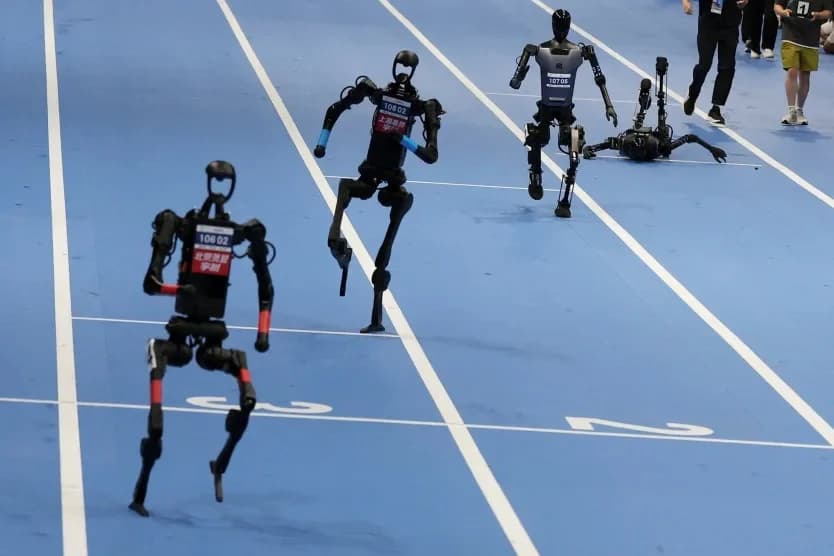
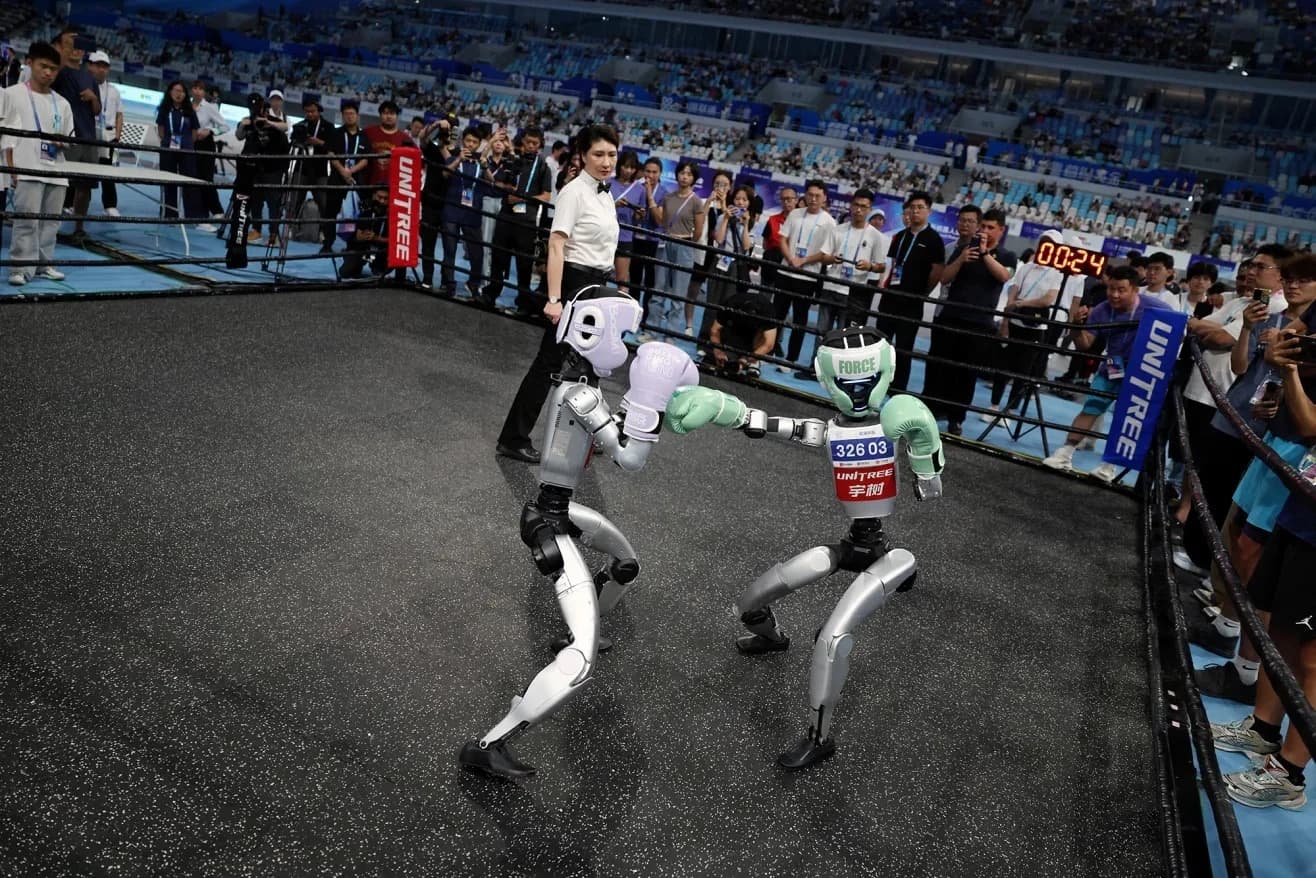
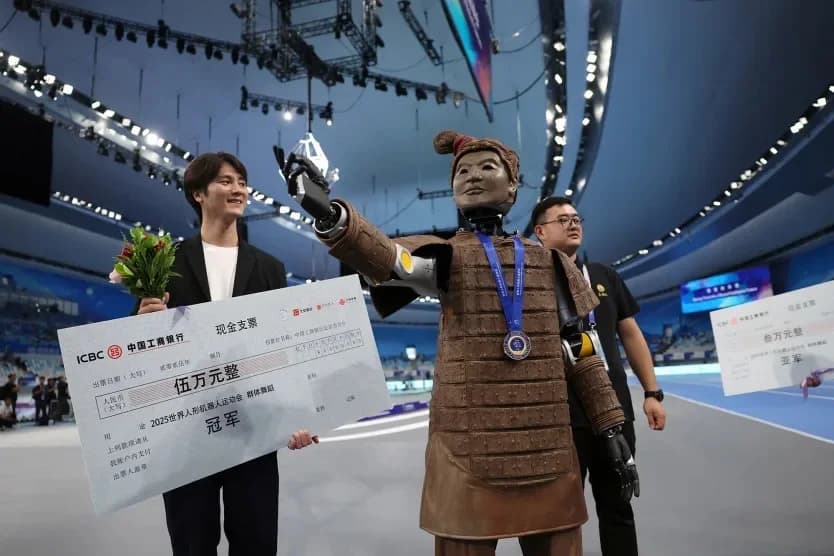
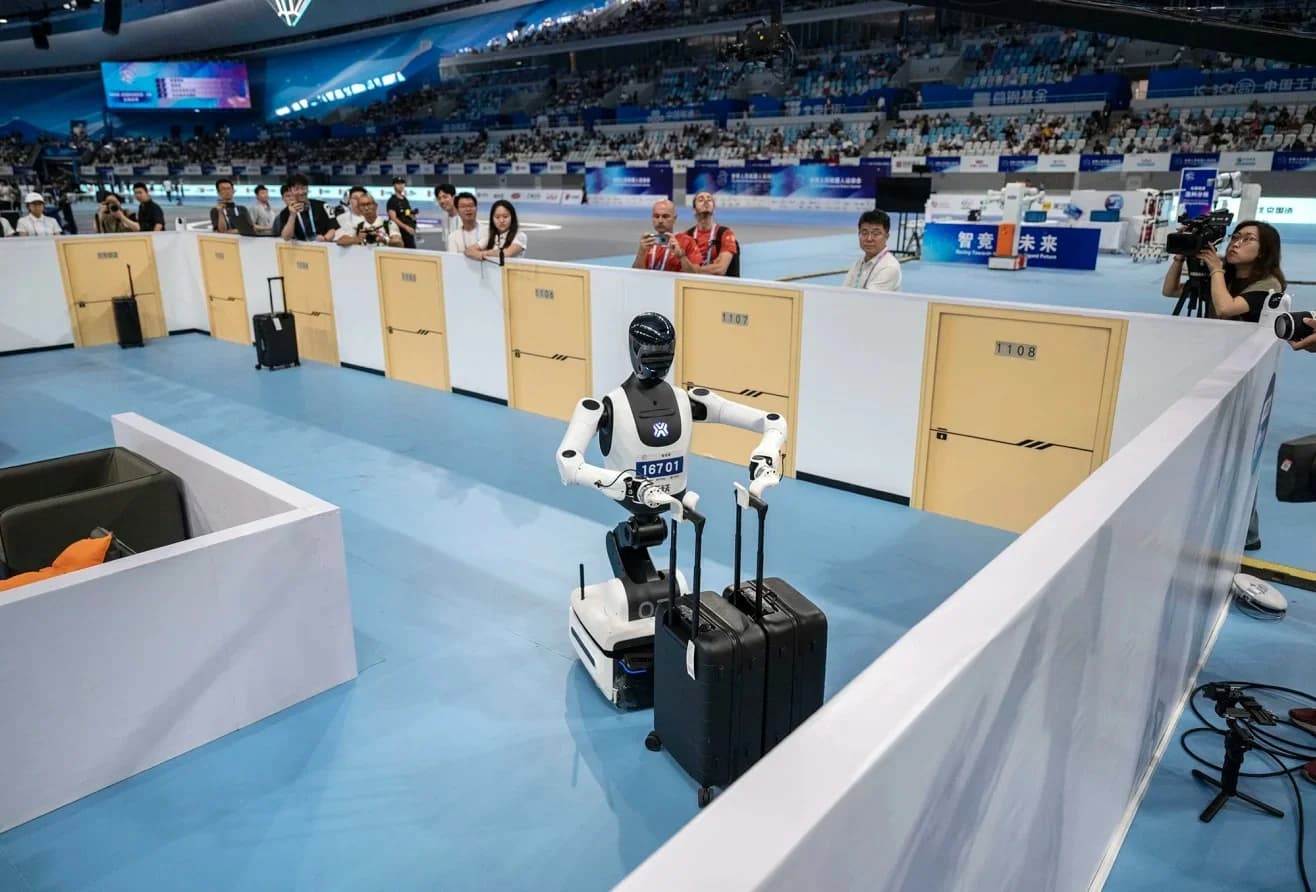
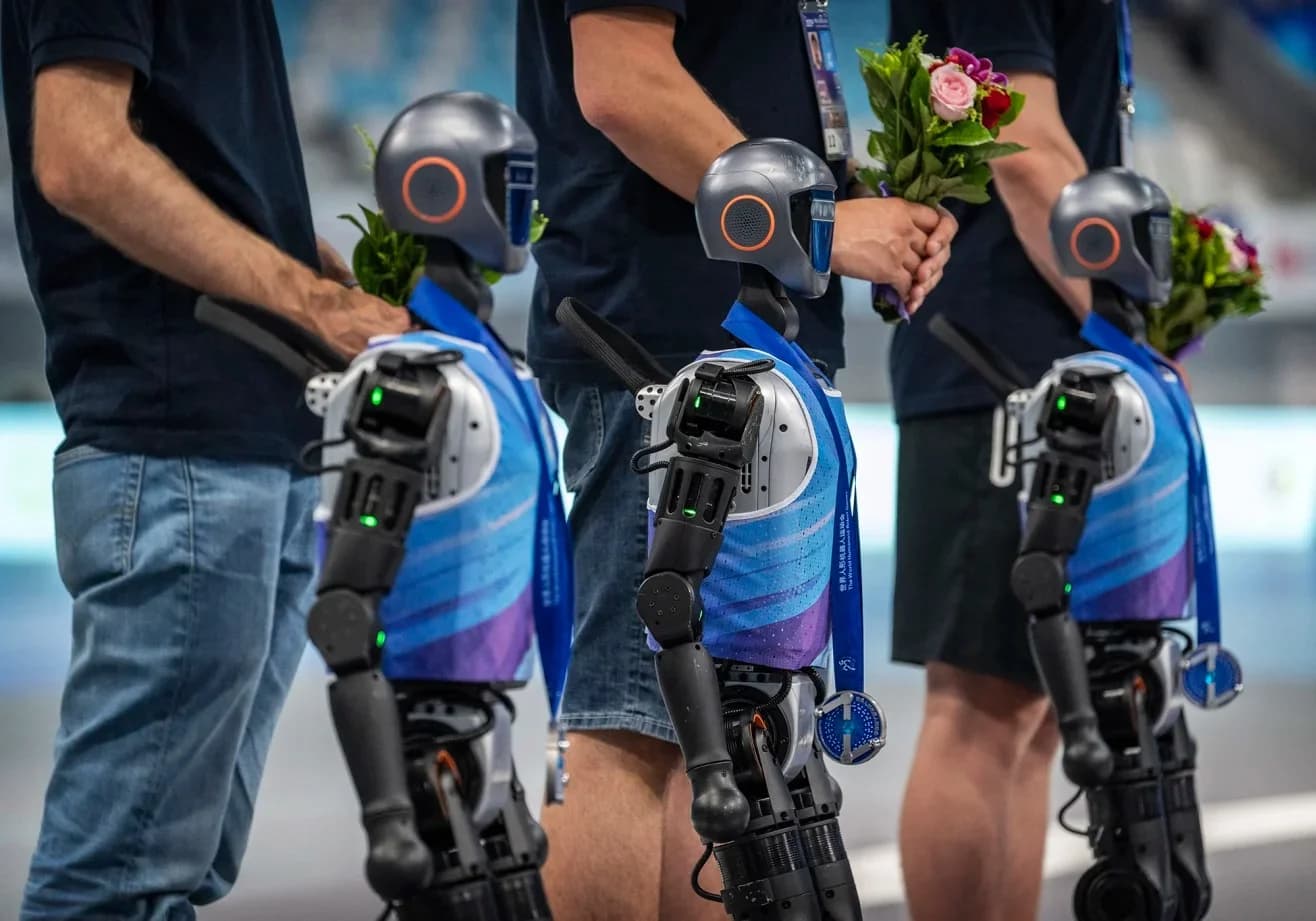
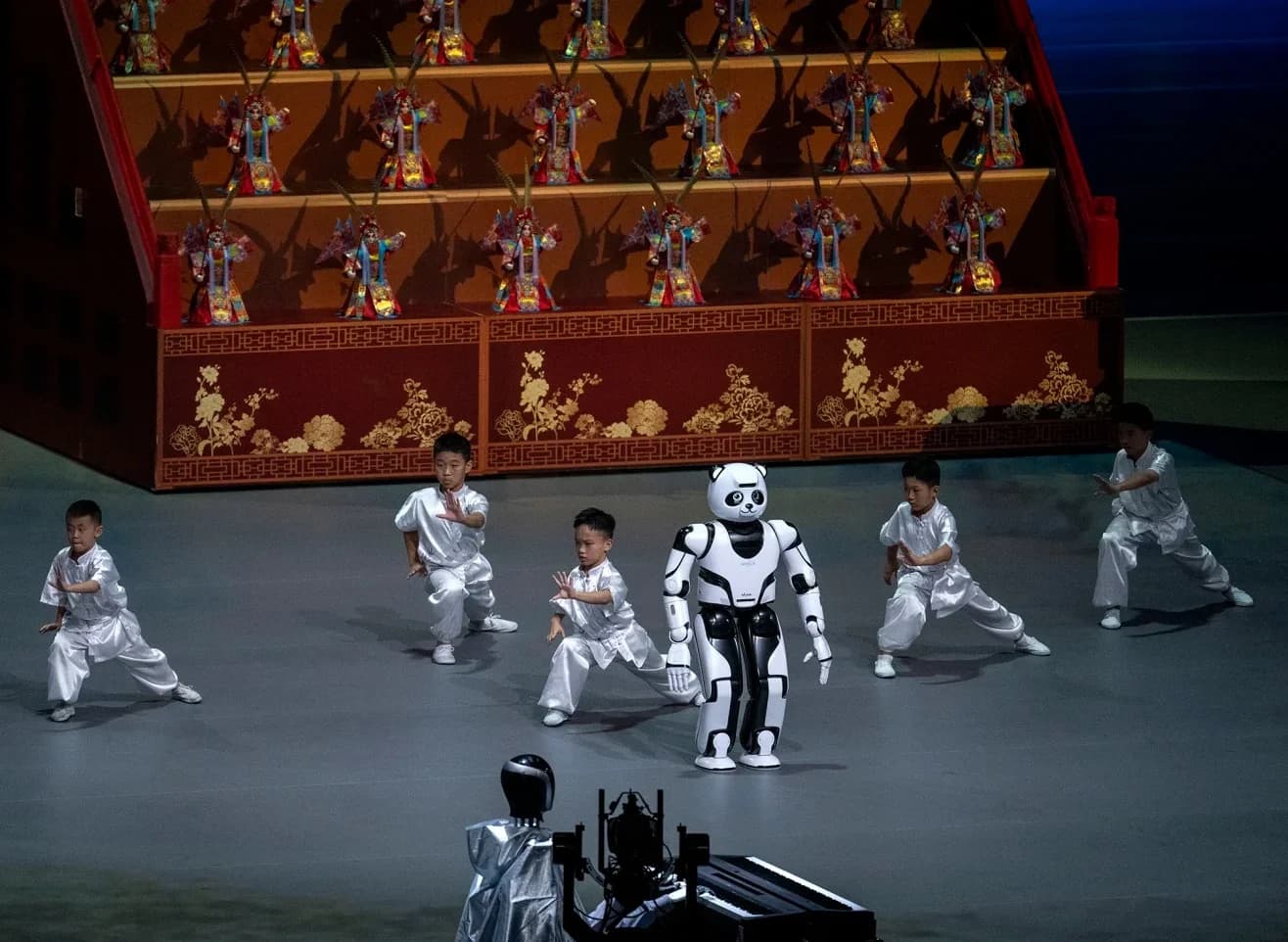
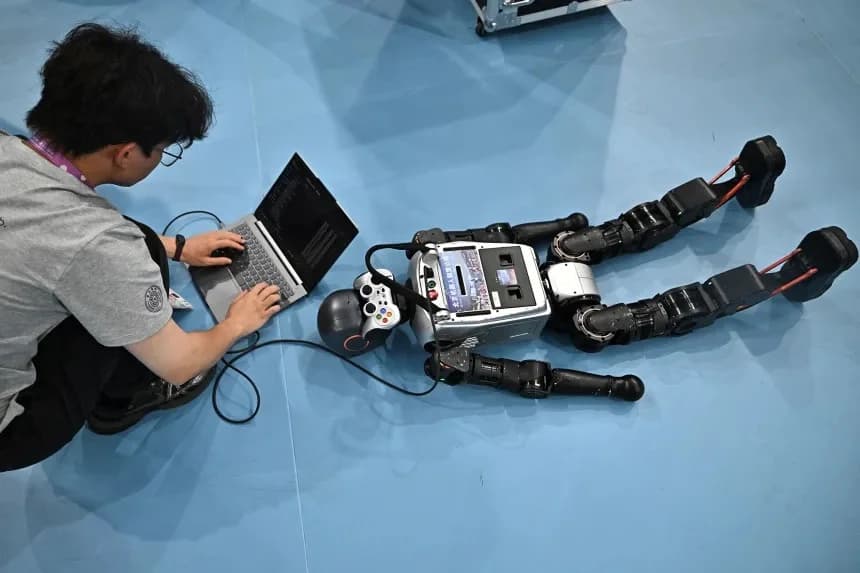
China’s growing fascination with robot sports is doing more than entertaining crowds — it is fast becoming a launchpad for a future in which humanoid robots could enter homes, factories and daily life. On the outskirts of Beijing, start-ups like Booster Robotics are training human-like robots to play soccer using artificial intelligence. These machines can dribble, pass, shoot and defend, mimicking the complexity of human movement and decision-making. For founders such as Cheng Hao, robot sports are not the end goal but a testing ground for advanced technologies that can later be applied in more practical settings. China’s push into humanoid robotics has been building for over a decade. In 2015, the government identified robotics as a strategic industry, aiming to move the country away from its image as a low-cost manufacturing hub and toward high-tech innovation. Today, China hosts more than 150 humanoid robot companies, with that number continuing to rise as investment pours in from both public and private sectors. Sports have emerged as a powerful showcase for this technology. In 2025 alone, China staged a series of high-profile robot events: humanoids danced on stage during the Spring Festival Gala, ran half-marathons, and competed in the world’s first Humanoid Robot Games in Beijing. These competitions featured soccer, boxing, martial arts and even simulated factory tasks, drawing global attention and heavy media coverage. Experts say soccer, in particular, is a benchmark challenge in robotics. The game demands balance, vision, coordination, teamwork and strategic thinking — all fundamental capabilities for intelligent machines. By mastering such tasks, developers can refine algorithms that later allow robots to work alongside humans in factories, warehouses or homes. Government support has played a crucial role. China’s five-year robotics blueprint offers subsidies, tax incentives and easier access to loans, helping start-ups scale quickly. But industry leaders say the long-term goal is sustainability beyond state backing, driven by consumer demand and real-world usefulness. Despite the progress, challenges remain. Robots still fall, misjudge movements and struggle with complex environments. Yet researchers argue that exposing these flaws through competition is essential to improvement. Recent policy signals also suggest momentum will continue: in 2025, China included “intelligent robots” in its national work report for the first time, underlining their importance to future productivity — especially as the population ages. The vision is clear. Developers imagine humanoid robots not just as machines, but as intelligent assistants — home tutors, fitness partners, factory workers or companions. With prices already dropping, some models are becoming accessible to ordinary consumers. What began as robot soccer matches may ultimately reshape everyday life. As China’s robot athletes learn to move, think and adapt, the boundary between science fiction and reality continues to narrow.




Comments
No comments yet. Be the first to share a thought.