
Queensland, Australia, with its bustling cities, scenic highways, and vast outback, demands a unique set of road safety precautions to ensure the well-being of its residents and visitors alike. Community-driven road safety initiatives and public awareness campaigns play a crucial role in reducing road accidents, promoting safe driving practices, and protecting vulnerable road users. Here are some essential road safety precautions that Queensland communities are actively embracing. 1. Avoiding Mobile Phone Use While Driving Distracted driving, especially from mobile phone use, is a growing
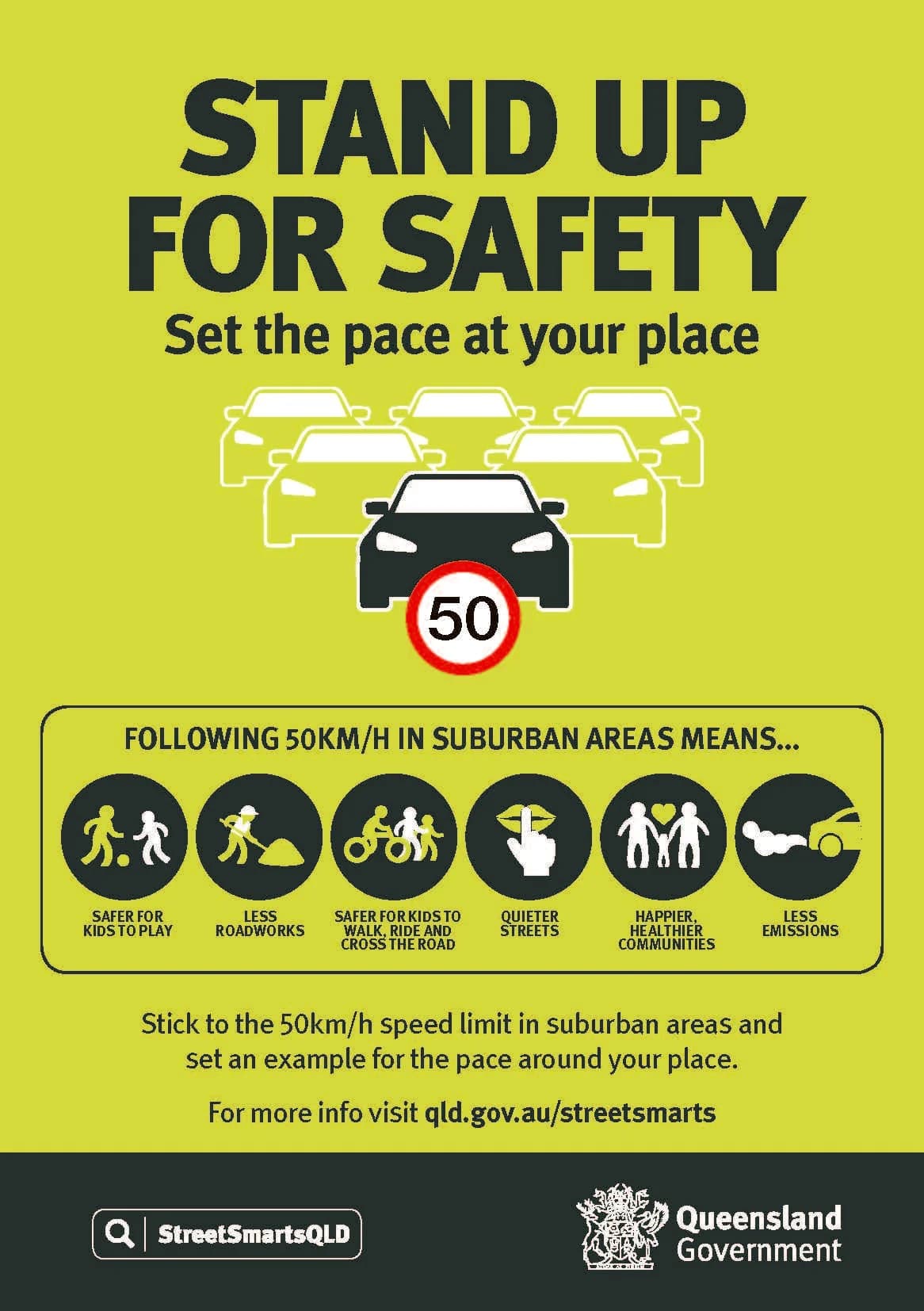
Queensland, Australia, with its bustling cities, scenic highways, and vast outback, demands a unique set of road safety precautions to ensure the well-being of its residents and visitors alike. Community-driven road safety initiatives and public awareness campaigns play a crucial role in reducing road accidents, promoting safe driving practices, and protecting vulnerable road users. Here are some essential road safety precautions that Queensland communities are actively embracing. 1. Avoiding Mobile Phone Use While Driving Distracted driving, especially from mobile phone use, is a growing concern on Queensland roads. Communities urge drivers to keep their phones out of reach or use hands-free systems only when absolutely necessary. Local campaigns educate residents on the risks of texting, calling, or using social media while driving, emphasizing that even a few seconds of distraction can lead to severe accidents. Law enforcement also enforces strict penalties for those caught using phones behind the wheel. 2. Always Wear a Seat Belt Seat belts are one of the simplest yet most effective safety measures. Queensland communities emphasize the importance of wearing a seat belt at all times—whether you're driving or a passenger. Public awareness campaigns highlight that seat belts significantly reduce the risk of injury or death in an accident. Parents and caregivers are also reminded to ensure that children are properly secured in approved child restraints. 3. School Zone Awareness Queensland’s Department of Transport and Main Roads has established school zones across the state to protect young students. Communities encourage adherence to the 40 km/h speed limit around schools during specified hours. Parents and guardians are urged to practice safe drop-off and pick-up routines, and many schools have introduced "walking school buses" or carpool options to reduce congestion and improve student safety. 4. Promoting Safe Speeds Speed limits are one of the most significant factors influencing road safety, especially in suburban and high-pedestrian areas. Community boards in Queensland often conduct awareness programs to educate drivers about the importance of adhering to speed limits, particularly in residential zones. Local councils have also installed speed bumps, warning signs, and speed cameras as additional deterrents to reckless driving. 5. Educating on the Dangers of Fatigue Fatigue is a major contributor to accidents, particularly in rural and remote areas where long drives are common. Community centers and local authorities frequently collaborate to promote awareness campaigns about the risks of driving while fatigued. Rest stops on highways are well-marked, and Queensland’s “Stop, Revive, Survive” campaign encourages drivers to take breaks every two hours on long journeys. 6. Enhancing Bicycle and Pedestrian Safety Queensland’s active outdoor culture has made cycling and walking popular forms of transport and recreation. To protect cyclists and pedestrians, communities are advocating for dedicated bike lanes, pedestrian crossings, and clear signage. Cyclists are encouraged to wear helmets, use reflective gear, and signal their turns, while drivers are reminded to maintain a safe passing distance from cyclists on the road. 7. Alcohol and Drug-Free Driving Initiatives Queensland communities are committed to reducing the number of alcohol- and drug-related accidents through both education and enforcement. Public awareness programs, such as “Don’t Drink and Drive” campaigns, remind residents of the consequences of impaired driving. Random breath testing and drug testing checkpoints, managed by Queensland Police, are also regularly set up across the state to reinforce this message. 8. Road Safety Education for New Drivers Young drivers are disproportionately involved in accidents due to inexperience. Queensland schools, local councils, and community organizations frequently conduct workshops and practical driving sessions for learners and provisional drivers. These programs emphasize defensive driving techniques, speed management, hazard perception, and the importance of responsible behavior on the road. 9. Vehicle Maintenance Awareness Ensuring that vehicles are in safe, working condition is essential for road safety. Community awareness campaigns encourage regular vehicle checks and maintenance, especially for tires, brakes, and lights. Car maintenance workshops are sometimes held by local councils, providing tips on how to spot mechanical issues that could lead to accidents. 10. Public Engagement and Reporting Dangerous Behavior Queensland communities also actively encourage residents to report reckless or dangerous driving behavior through channels such as Crime Stoppers and dedicated police hotlines. This collective effort enhances law enforcement’s ability to address unsafe practices and deter potential incidents. 11. Wildlife Awareness on Roads In rural and bushland areas of Queensland, wildlife such as kangaroos and koalas pose potential hazards on the roads. Communities promote the use of wildlife warning signs, particularly in areas prone to animal crossings, and drivers are encouraged to reduce speeds and remain vigilant during early morning and late evening hours when wildlife is most active. 12. Supporting Road Safety Events and Programs Queensland communities regularly support road safety events like National Road Safety Week and campaigns initiated by the Department of Transport and Main Roads. These events provide valuable resources and engage the public in discussions on improving local road safety measures. Conclusion Community involvement and education are essential to improving road safety in Queensland. By adopting these precautions—including avoiding distractions like mobile phone use, consistently wearing seat belts, and remaining vigilant—residents can work together to create safer roads for everyone. Queensland’s community-driven approach not only fosters a culture of responsibility and awareness but also reinforces the shared commitment to reducing accidents and safeguarding lives on the road. Through these collective efforts, Queensland continues to make strides in building a road network that prioritizes the safety and well-being of all its road users.



Comments
No comments yet. Be the first to share a thought.