
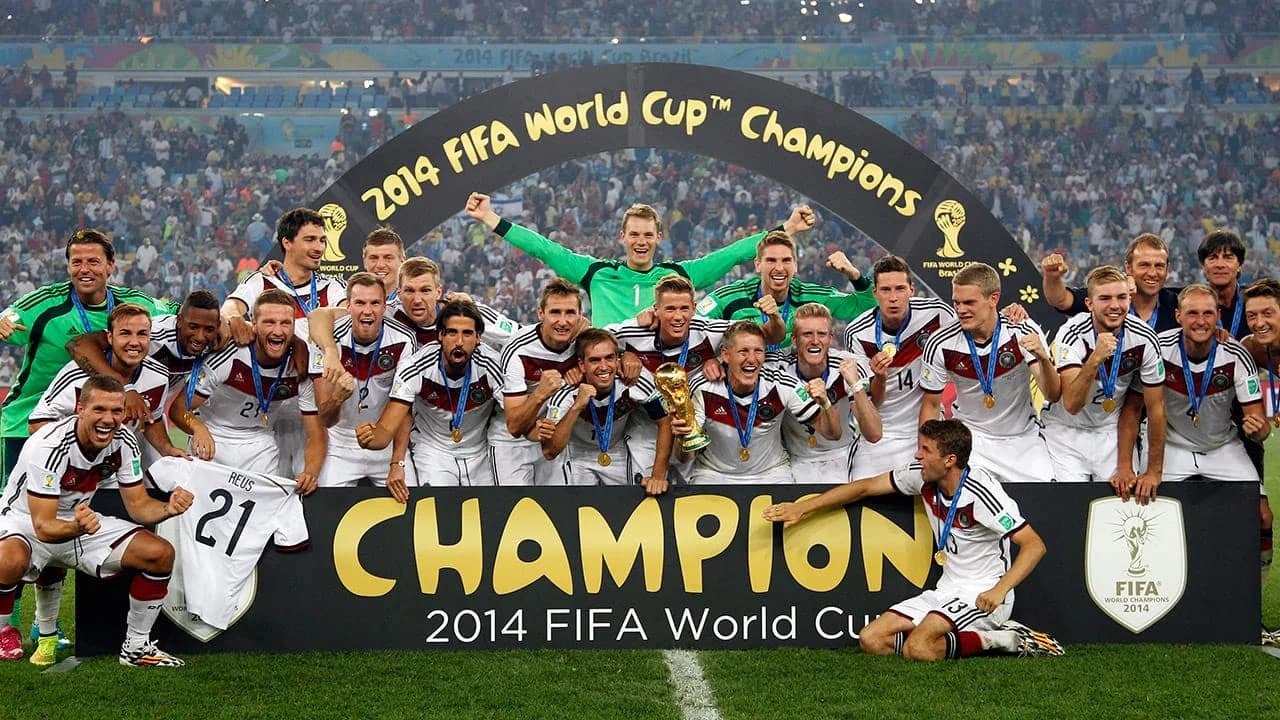
A political alarm has emerged in Europe as senior officials in Germany publicly suggest that the nation should seriously consider boycotting the 2026 FIFA World Cup, due to escalating tensions with the United States and controversial foreign policy actions by the US President Donald Trump. The tournament, set to begin in June and co-hosted by the United States, Mexico and Canada, now faces an unexpected political dilemma just months before kick-off. At the centre of the debate is Mr Oke Göttlich, vice-president of the German Football Association (DFB) and president of Bundesliga club St. Paul
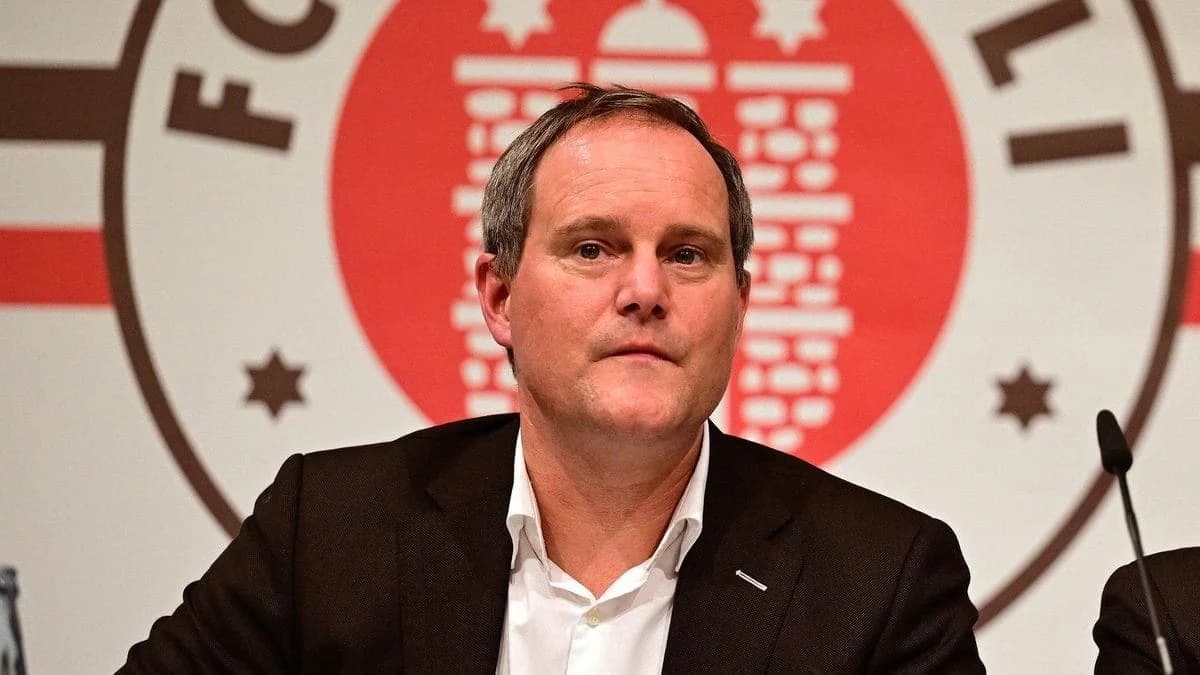
A political alarm has emerged in Europe as senior officials in Germany publicly suggest that the nation should seriously consider boycotting the 2026 FIFA World Cup, due to escalating tensions with the United States and controversial foreign policy actions by the US President Donald Trump. The tournament, set to begin in June and co-hosted by the United States, Mexico and Canada, now faces an unexpected political dilemma just months before kick-off. At the centre of the debate is Mr Oke Göttlich, vice-president of the German Football Association (DFB) and president of Bundesliga club St. Pauli, he said to Hamburger Morgenpost “Germany must seriously consider and discuss whether to participate in the World Cup, drawing parallels with the Olympic boycotts of the 1980s”. Göttlich cited Trump’s rhetoric and policy actions particularly regarding Greenland, a Danish territory as potential threats to European unity and values that could justify withdrawal from the sport’s flagship event. In an email to AFP, Christiane Schenderlein, Germany’s State Minister for Sport stressed that the federal government will not intervene in the matter, saying decisions on participation or boycott must be made by football authorities namely the DFB and FIFA. Schenderlein’s comments underline the separation between sports governance and political offices in Berlin. Not all figures in Germany agree on the boycott idea. Jan-Christian Dreesen, CEO of Bayern Munich, called the notion of withdrawal misplaced at this stage, while Hans-Joachim Watzke, president of Borussia Dortmund and DFL official, said “it’s too soon to even consider such a move”, and dismissed boycott talk as premature. German lawmakers such as Jürgen Hardt and Roderich Kiesewetter have also weighed in, telling media outlets that using a World Cup boycott as leverage over Trump’s Greenland policy should be a last resort if political conflicts continue to worsen Across Europe, reactions vary widely. France’s sports leadership has firmly said that there is absolutely no question of Les Bleus boycotting the World Cup, emphasizing that sport should remain separated from political conflict. Mr Philippe Diallo, president of the French Football Federation, reiterated that French participation is expected and promised a commitment to keep sport separate from geopolitics. Other European nations, including the United Kingdom and Denmark, have not made official statements suggesting a boycott, and public discussion in those countries appears limited compared with the attention it has received in German political and media circles.
As World Cup preparations intensify with less than six months to go, the ball remains in the court of sports governing bodies rather than national governments. The German Football Association (DFB) is expected to discuss the issue internally, but no official decision on boycott or withdrawal has been taken. FIFA has not indicated any change in plans regarding participation, and most football federations have publicly reiterated their intention to compete.



Comments
No comments yet. Be the first to share a thought.