
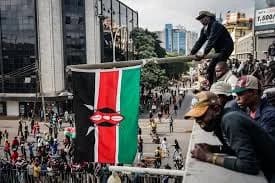
Kenya has faced repeated protests and strikes that reveal a country under serious pressure. From annual Saba Saba demonstrations to Generation Z movements and sector-wide strikes, many Kenyans are demanding change. But does this mean President William Ruto is at risk of being removed from office? How the protests have grown The protests have not come out of nowhere. They have grown step by step over the last three years. Every July 7, known as Saba Saba Day, Kenyans remember the 1990 struggle for democracy. What started as peaceful protests in 2022 over the high cost of living turned more t
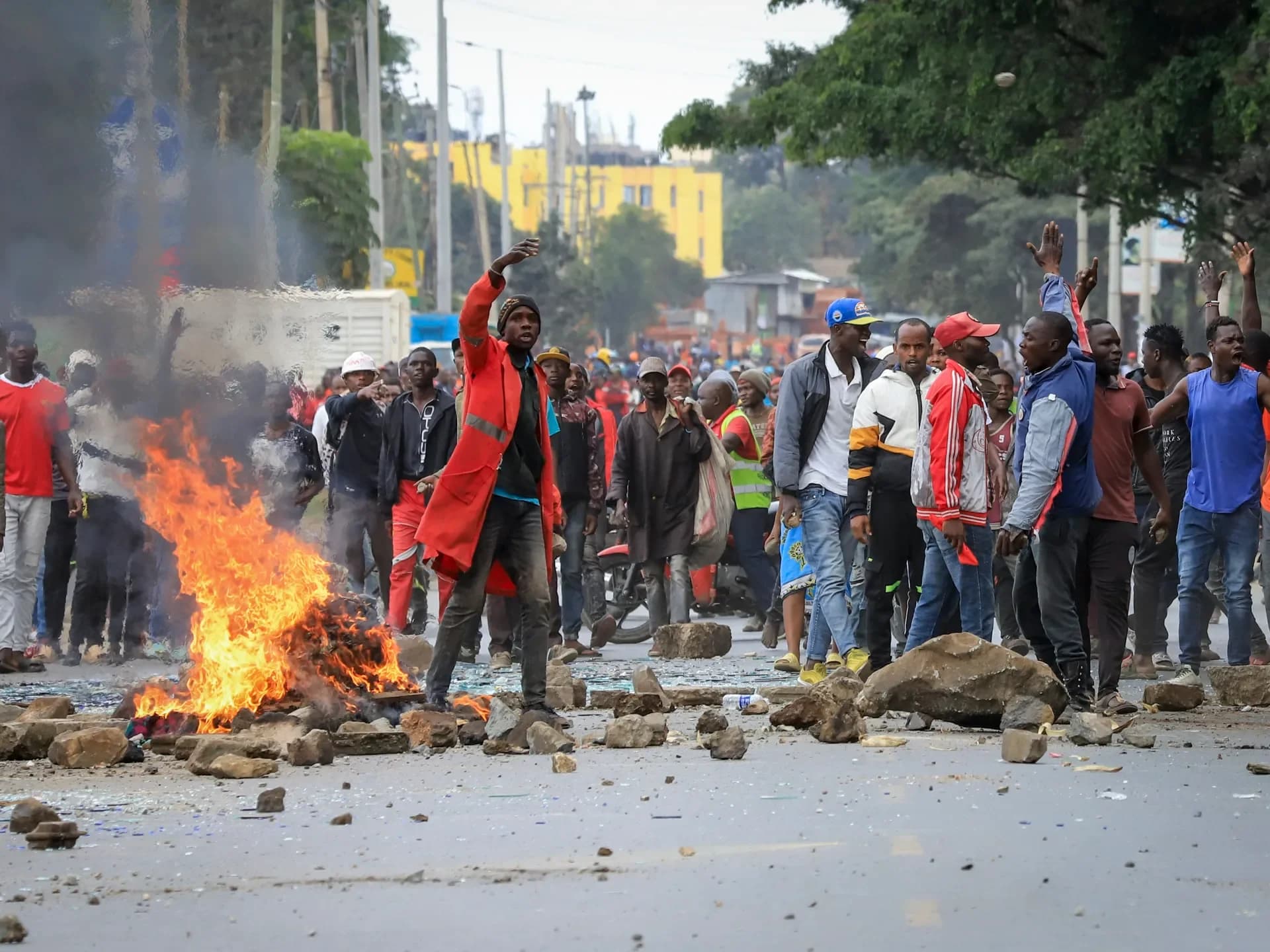
Kenya has faced repeated protests and strikes that reveal a country under serious pressure. From annual Saba Saba demonstrations to Generation Z movements and sector-wide strikes, many Kenyans are demanding change. But does this mean President William Ruto is at risk of being removed from office? How the protests have grown The protests have not come out of nowhere. They have grown step by step over the last three years. Every July 7, known as Saba Saba Day, Kenyans remember the 1990 struggle for democracy. What started as peaceful protests in 2022 over the high cost of living turned more tense each year. In 2023, demonstrators faced tear gas and mass arrests. By 2025, the protests had become deadly, with at least 10 people killed and dozens hurt. Roads were blocked, and even airport workers could not get to their jobs. While Saba Saba protests have become a symbol of resistance, it is the Gen Z protests that have gained the most attention. These began in mid-2024 when young Kenyans rose up against a Finance Bill that added heavy new taxes. On June 25, 2024, angry youth stormed Parliament, showing they were ready to confront power head-on. In 2025, protests erupted again after the death of blogger Albert Ojwang in police custody. People marched against police brutality, corruption, and economic hardship. The protests between June 9 and July 1, 2025, left 31 people dead and more than 550 injured. This level of violence and anger had not been seen in Kenya in years. The role of professional strikes At the same time, Kenya has seen many strikes in key public sectors. Doctors and nurses have walked out several times since 2023, demanding safer workplaces and better conditions. Just after the 2025 Saba Saba protests, hospitals in Nairobi and Kitengela were vandalized, adding to the crisis. Teachers have held their own protests over pay and work conditions. While these actions have been less violent, they still show widespread dissatisfaction. Even airline staff have joined in. In November 2022, Kenya Airways pilots went on strike for days, grounding flights and disrupting travel across the country. When so many different groups—students, workers, professionals—are unhappy, it becomes harder for any government to keep control and maintain public trust. Could these movements remove the president? There is no question that these protests have weakened confidence in Ruto’s leadership. The government has often responded with force instead of dialogue. Images of tear gas, injured protesters, and blocked roads have gone viral online, spreading anger even faster. But in Kenya’s history, even large demonstrations have not always led to a change of president. Unlike some countries where the military might switch sides, Kenya has a tradition of strong institutions and negotiated solutions. So far, the protests have mainly called for reforms such as lowering taxes, fighting corruption, and stopping police abuse. Opposition parties and civil society leaders have not united behind a clear plan to remove Ruto. Without that level of organization and political will, it is unlikely the protests alone could topple the government in the near term. That said, the situation is still unpredictable. If the economy worsens especially with high unemployment and rising food prices the anger could grow stronger. If more Kenyans feel they have nothing to lose, protests could spread to more counties and sectors. Another risk is that the government might use even harsher crackdowns. This can sometimes backfire by creating martyrs and rallying public sympathy for protesters. The death of Albert Ojwang in police custody is an example of how one incident can trigger national outrage. The repeated protests in Kenya are not just about politics. They are about young people who feel their leaders have failed them. They are about workers who feel ignored. And they are about a country still searching for fairness and accountability. For now, these protests are unlikely to directly overthrow President Ruto. But they will keep weakening his authority and shaping Kenya’s political future. If leaders do not respond with real reforms, the next wave of protests could be even larger and harder to control.



Comments
No comments yet. Be the first to share a thought.