
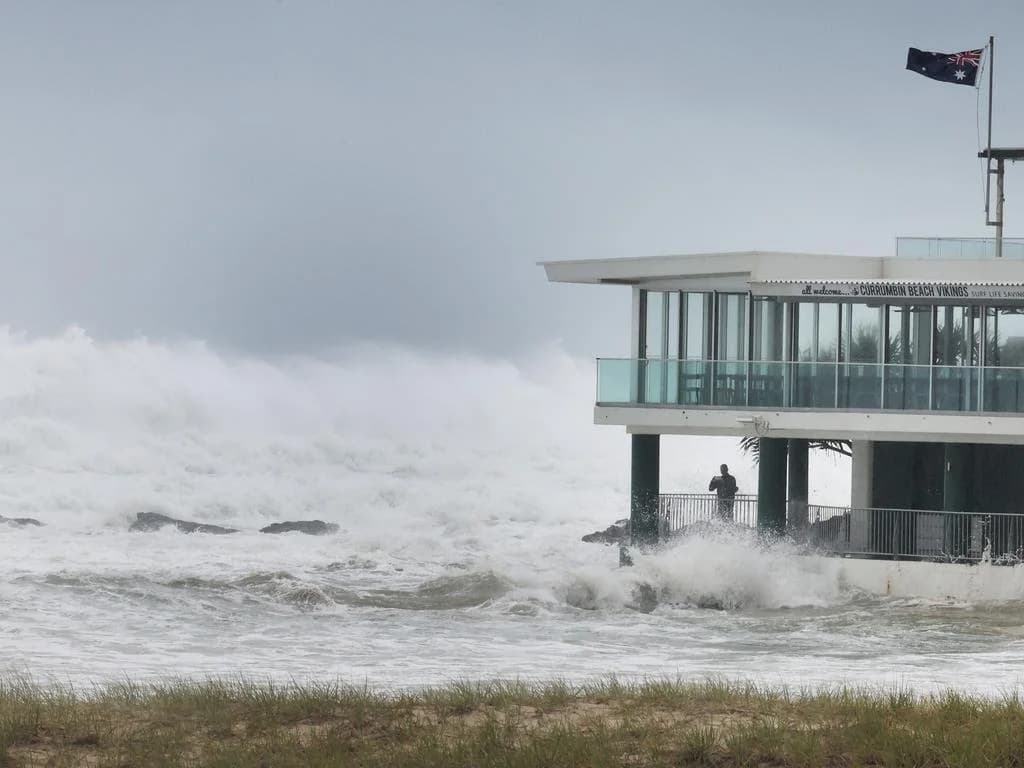
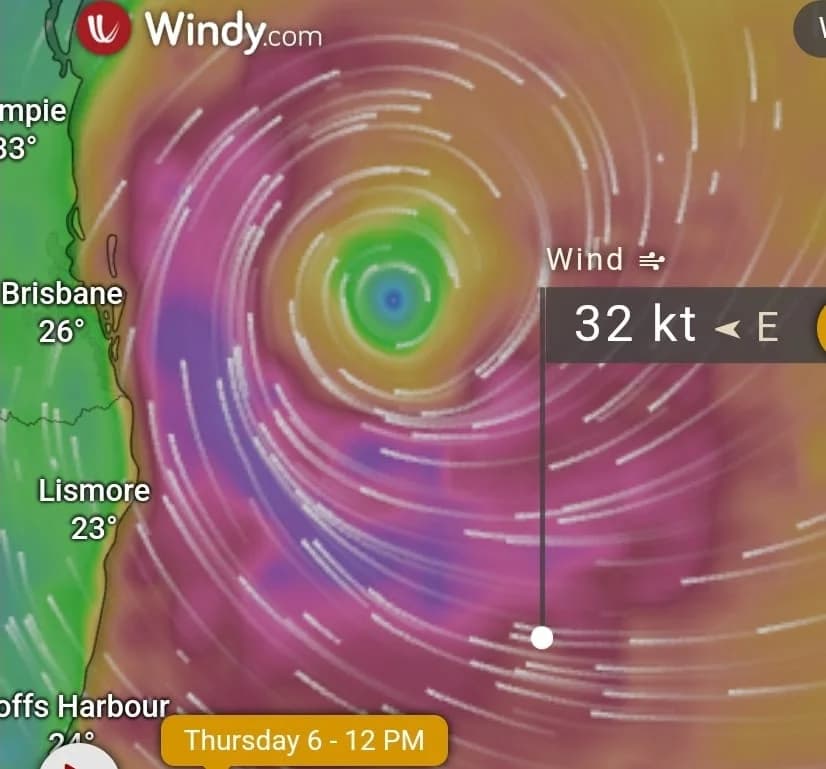
Tropical Cyclone Alfred is approaching Queensland's southeast coast, with Brisbane and surrounding areas preparing for severe weather. The Bureau of Meteorology (BoM) has issued urgent warnings for the region as this Category 2 storm is expected to bring strong winds, heavy rainfall, and the potential for flooding. Cyclone Alfred, initially expected to make landfall on Thursday, has slowed significantly, and meteorologists now predict that it will hit near Brisbane on Saturday. This delay is attributed to shifting atmospheric conditions, which have caused the cyclone to stall off the coast. A
Tropical Cyclone Alfred is approaching Queensland's southeast coast, with Brisbane and surrounding areas preparing for severe weather. The Bureau of Meteorology (BoM) has issued urgent warnings for the region as this Category 2 storm is expected to bring strong winds, heavy rainfall, and the potential for flooding. Cyclone Alfred, initially expected to make landfall on Thursday, has slowed significantly, and meteorologists now predict that it will hit near Brisbane on Saturday. This delay is attributed to shifting atmospheric conditions, which have caused the cyclone to stall off the coast. According to weather experts, the storm is currently gaining energy from the warm waters of the Coral Sea. The expected impact of Cyclone Alfred includes destructive winds, torrential rainfall, and storm surges affecting Brisbane, the Gold Coast, and the Sunshine Coast. This marks the first time in decades that a storm of this magnitude is forecast to directly impact the region. The slow movement of the storm is due to a lack of strong steering forces in the atmosphere. As a result, Cyclone Alfred has remained stationary, causing intense coastal winds, beach erosion, and dangerous surf conditions. Authorities are closely monitoring its path, as even small shifts in the storm's direction could change its impact on Queensland and northern New South Wales. With heavy rainfall expected, flood risks are rising for low-lying areas in Brisbane. According to the Brisbane City Council, updated flood maps have identified suburbs at risk, including Nudgee Beach, Brighton, Sandgate, Windsor, Newstead, Morningside, Rocklea, Fairfield, and Yeronga. Residents in these areas are advised to prepare for possible evacuations and stay informed through local emergency services. In addition to the storm’s physical impact, health officials are concerned about a potential rise in melioidosis cases. This bacterial infection thrives in wet and muddy conditions, which are common after severe storms and floods. The bacteria, Burkholderia pseudomallei, is found in contaminated soil and water and can cause severe infections. According to health experts, residents are advised to avoid wading through floodwaters, wear protective clothing when cleaning up after the storm, and seek medical attention if flu-like symptoms develop. As Cyclone Alfred approaches, residents are urged to stay updated with BoM alerts and local emergency services. It is important to secure loose outdoor items, stock up on emergency supplies, prepare for power outages, and follow evacuation orders promptly if issued. For the latest updates, residents can track the storm's movement via the Bureau of Meteorology website and Queensland emergency services. Staying safe and prepared is crucial as the situation continues to develop.



Comments
No comments yet. Be the first to share a thought.