
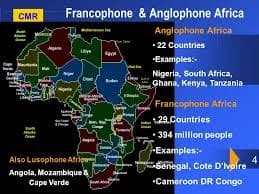
Africa, with its vast cultural richness and historical depth, faces a significant challenge in its pursuit of continental unity: the linguistic divide between Anglophone and Francophone countries. This division, a legacy of the colonial era, has profoundly influenced the continent’s political, economic, and social landscapes, often complicating efforts to foster a cohesive and integrated Africa. Historical Context and Lingual Legacy The roots of Africa’s linguistic divide trace back to the colonial period, when European powers such as Britain and France established dominance over different re
Africa, with its vast cultural richness and historical depth, faces a significant challenge in its pursuit of continental unity: the linguistic divide between Anglophone and Francophone countries. This division, a legacy of the colonial era, has profoundly influenced the continent’s political, economic, and social landscapes, often complicating efforts to foster a cohesive and integrated Africa. Historical Context and Lingual Legacy The roots of Africa’s linguistic divide trace back to the colonial period, when European powers such as Britain and France established dominance over different regions of the continent. As a result, English and French became entrenched in various African nations, shaping their educational systems, governmental structures, and cultural exchanges. This colonial legacy has perpetuated a divide that continues to impact Africa's unity. Political Implications The political ramifications of the Anglophone-Francophone divide are particularly evident in countries where both linguistic groups coexist. In Cameroon, for instance, tensions between Anglophone and Francophone regions have led to demands for greater autonomy and frequent unrest. This discord underscores the difficulties of integrating diverse linguistic communities within a single political framework. Additionally, diplomatic relations within the continent are often influenced by historical ties to former colonial powers. This alignment can lead to divergent foreign policies, impacting regional cooperation and complicating collective efforts to address issues such as security, trade, and environmental challenges. Economic Disparities The economic impact of the linguistic divide is marked by disparities in development and investment. Francophone and Anglophone countries frequently engage in distinct trade relationships and economic strategies. For example, trade agreements and investment flows may favor nations with historical connections to French-speaking countries, leading to uneven economic progress across the continent. Linguistic barriers also affect market access and cross-border trade. Entrepreneurs and businesses operating in Anglophone countries might encounter challenges when interacting with Francophone counterparts, which can impede economic integration and regional cooperation. Social and Cultural Impact Socially and culturally, the linguistic divide affects communication and interaction among African nations. Language barriers can limit cultural exchanges and collaborative opportunities, hindering mutual understanding and shared experiences. To bridge these gaps, fostering inclusive communication and cultural exchange is essential for building a unified African identity. The legacy of colonial-era educational systems further exacerbates disparities. Different curricula and pedagogical approaches based on linguistic backgrounds can affect educational quality and limit opportunities for students, perpetuating inequalities. Advancing Towards Unity Despite these challenges, significant efforts are underway to promote unity and cooperation across linguistic divides. Regional organizations such as the African Union (AU) play a crucial role in fostering dialogue and collaboration among Anglophone and Francophone countries. Initiatives aimed at enhancing multilingualism and intercultural exchanges are vital for overcoming linguistic barriers and fostering continental cohesion. Educational and policy reforms that embrace linguistic diversity and promote inclusive communication are essential steps towards addressing these divisions. By cultivating a culture of understanding and collaboration, Africa can move towards overcoming its linguistic barriers and achieving a more integrated and prosperous future.



Comments
No comments yet. Be the first to share a thought.