
Following the effective closure of the Strait of Hormuz on 2 nd March 2026, it was after a series of military strikes between US and Israel forces and Iran, Tehran moved to block the 33km wide waterway, through which roughly 20% of the world’s oil and 25% of its Liquefied Natural Gas (LNG) typically flows. The resulting supply vacuum has triggered panic buying, emergency reserve releases, and a sharp spike in costs at gas pumps across the globe. The impact on crude oil was instantaneous, Brent Crude which traded near $70/bbl before the conflict, surged past the $100 mark on March 8 and peaked
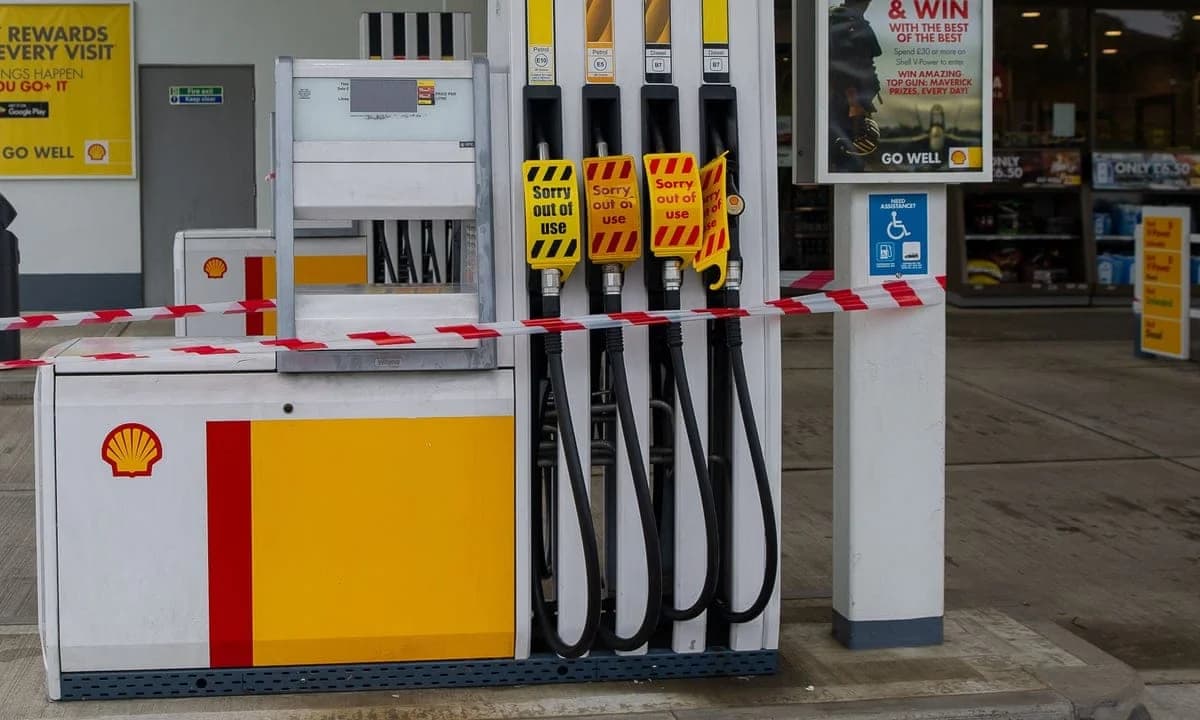
Following the effective closure of the Strait of Hormuz on 2nd March 2026, it was after a series of military strikes between US and Israel forces and Iran, Tehran moved to block the 33km wide waterway, through which roughly 20% of the world’s oil and 25% of its Liquefied Natural Gas (LNG) typically flows. The resulting supply vacuum has triggered panic buying, emergency reserve releases, and a sharp spike in costs at gas pumps across the globe. The impact on crude oil was instantaneous, Brent Crude which traded near $70/bbl before the conflict, surged past the $100 mark on March 8 and peaked at $126/bbl shortly after. While prices have seen slight corrections due to the International Energy Agency (IEA) releasing a record 400 million barrels from strategic reserves, the market remains hyper-volatile.
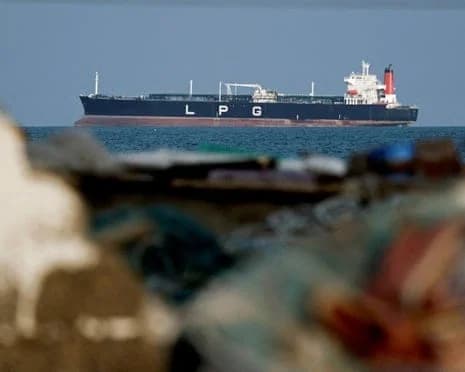
The closure is a mix of physical blockades and de facto risk, insurance premiums for tankers have vanished, and major shipping lines like Maersk and Hapag-Lloyd have suspended all transits through the region. Countries like India, Japan, and South Korea are the most exposed, as nearly 80% of Hormuz-bound crude is destined for Asian markets. In India, despite government subsidies, the disruption has led to widespread protests over the rising cost of cooking gas (LPG). While less dependent on Middle Eastern crude than Asia, Europe has seen Natural Gas (TTF) prices jump by over 60% in just ten days due to the halt of Qatari LNG shipments. The crisis is no longer confined to the energy sector. Logistical costs are skyrocketing as ships are forced to reroute around the Cape of Good Hope, adding weeks to travel times. Economists warn that a prolonged closure could disrupt over $1.2 trillion in annual trade, fueling global inflation and straining the budgets of developing nations already struggling with debt.
The 2026 Hormuz crisis represents the most significant disruption to the global energy supply since the 1970s. While G7 nations are currently discussing defensive escort missions to reopen the shipping lanes, the geopolitical deadlock suggests no immediate resolution. For the average consumer, this means the era of cheap fuel has been indefinitely suspended, replaced by a new reality where energy security is as fragile as the narrow passage of water that sustains it.



Comments
No comments yet. Be the first to share a thought.