
Environmental and community groups have taken legal action against the U.S. government in an effort to stop what could become the country’s first commercial deep-sea mining lease sale in its own waters. The lawsuit challenges plans by the Trump administration to auction offshore mining leases covering more than 31 million acres of seabed off American Samoa in the Pacific Ocean. The planned lease sale is currently scheduled for November 19, 2026, according to the Marine Minerals Administration. The legal challenge was filed in federal court in Hawaii by Earthjustice on behalf of Fa‘asao Ameri
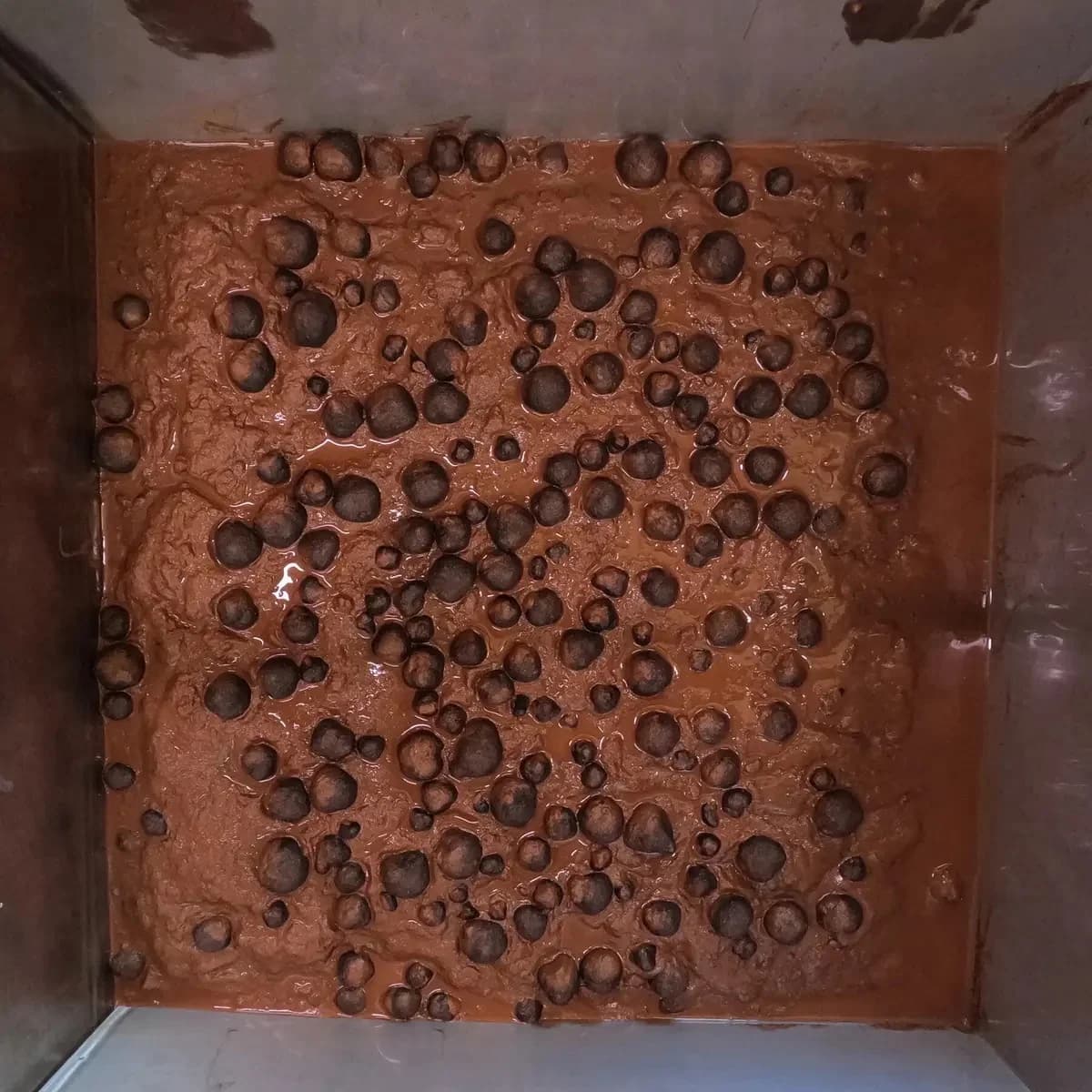
Environmental and community groups have taken legal action against the U.S. government in an effort to stop what could become the country’s first commercial deep-sea mining lease sale in its own waters. The lawsuit challenges plans by the Trump administration to auction offshore mining leases covering more than 31 million acres of seabed off American Samoa in the Pacific Ocean. The planned lease sale is currently scheduled for November 19, 2026, according to the Marine Minerals Administration. The legal challenge was filed in federal court in Hawaii by Earthjustice on behalf of Fa‘asao Amerika Samoa and the Conservation Council for Hawai‘i. The groups argue that federal authorities failed to properly assess the potential effects of deep-sea mining on endangered and threatened marine species before moving ahead with the proposed leases. What is the U.S. planning? The Marine Minerals Administration has proposed leasing two large areas of seabed off American Samoa. The areas cover roughly 16.3 million acres and 15.1 million acres, respectively, in federal waters off the eastern coast of Ta‘ū. The seabed is believed to contain polymetallic nodules potato-sized mineral deposits containing resources such as nickel, cobalt and manganese, which are used in batteries, electronics and other technologies. The Trump administration argues that expanding access to critical minerals could strengthen U.S. supply chains and reduce dependence on foreign sources. The proposed mining area lies about 57 miles (92 kilometres) from the Rose Atoll National Wildlife Refuge, an area surrounded by ecologically important marine habitats. Environmental groups raise concerns Opponents argue that deep-sea mining could cause serious and potentially irreversible damage to marine ecosystems. The lawsuit challenges a conclusion by the National Marine Fisheries Service that the proposed activity was unlikely to adversely affect protected species. Environmental groups argue that the assessment did not adequately examine the consequences of the actual mining operations. The waters around American Samoa support a wide range of marine life, including coral reefs, whales, sea turtles, fish, sponges and other deep-sea organisms. Several species in the region are classified as endangered or threatened. The groups are asking the court to prevent the government from moving forward until it complies with environmental requirements, including the Endangered Species Act. A new chapter in U.S. deep-sea mining The proposed auction represents a major shift in U.S. policy. The United States has never previously opened its own waters to commercial deep-sea mining, making the American Samoa proposal a significant test for the emerging industry. The administration has argued that critical minerals are increasingly important to U.S. national security, manufacturing and technology industries. The seabed deposits could provide access to minerals needed for electric vehicles, electronics and defence-related technologies. But scientists and environmentalists warn that deep-sea mining remains largely untested at commercial scale and that disturbing deep-ocean ecosystems could create consequences that are difficult, or potentially impossible, to reverse. American Samoa caught between resources and conservation The controversy also carries a strong local dimension. American Samoa has previously opposed deep-sea mining in its local waters, while community advocates say decisions affecting the surrounding ocean should take into account local traditions, livelihoods and cultural connections to the sea. The lawsuit now puts the planned lease sale before the courts, potentially creating a legal obstacle to the administration’s timetable. For the U.S. government, the case is about access to strategically important minerals and greater resource independence. For environmental and community groups, it is a fight to prevent an untested industry from causing lasting damage to one of the Pacific’s marine ecosystems. The court’s response could therefore have consequences extending beyond American Samoa, potentially shaping how the United States approaches commercial deep-sea mining in its waters in the years ahead.



Comments (1)
Important story. I hope you follow up on what happens next.