
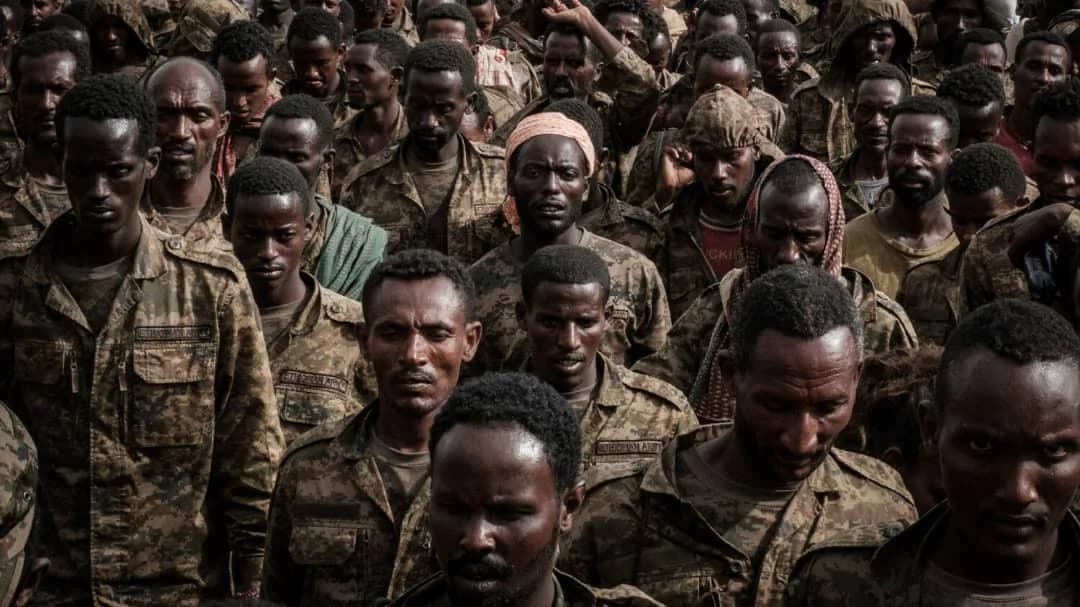
The Tigray War, which engulfed Ethiopia from 2020 to 2022, has been the subject of intense scrutiny and numerous investigations. A new and comprehensive report issued on Tuesday by the United States-based New Lines Institute provides compelling evidence that Ethiopian forces and their allies committed genocidal acts during the conflict. This 120-page draft underscores the gravity of the atrocities committed and calls for Ethiopia to be brought before the International Court of Justice (ICJ). The Findings of the Report The report by the New Lines Institute meticulously documents a series of a
The Tigray War, which engulfed Ethiopia from 2020 to 2022, has been the subject of intense scrutiny and numerous investigations. A new and comprehensive report issued on Tuesday by the United States-based New Lines Institute provides compelling evidence that Ethiopian forces and their allies committed genocidal acts during the conflict. This 120-page draft underscores the gravity of the atrocities committed and calls for Ethiopia to be brought before the International Court of Justice (ICJ). The Findings of the Report The report by the New Lines Institute meticulously documents a series of acts that qualify as genocide under international law. It draws from multiple, widespread, and credible independent reports, painting a grim picture of systematic violence targeted at the Tigrayan population. According to the report, Ethiopian forces and their allies engaged in acts that include mass killings, sexual violence, and deliberate starvation—all aimed at the destruction of the Tigrayan ethnic group. The term "genocide" is not used lightly in international discourse. It is defined by the 1948 Convention on the Prevention and Punishment of the Crime of Genocide as acts committed with intent to destroy, in whole or in part, a national, ethnical, racial, or religious group. The evidence presented in the report suggests that the Ethiopian forces' actions were not random or isolated incidents of violence but rather part of a coordinated effort to target Tigrayans. Key Evidence and Testimonies One of the significant strengths of the New Lines Institute's report is its reliance on a wide array of sources. Eyewitness testimonies, satellite imagery, and reports from humanitarian organizations collectively build a case that points to deliberate and calculated acts of genocide. The report highlights several key incidents: Mass Killings: Numerous villages and towns in Tigray were subjected to attacks where civilians, including women and children, were indiscriminately killed. Sexual Violence: There are widespread reports of systematic sexual violence used as a weapon of war. Survivors' accounts reveal horrific details of gang rapes and other forms of sexual abuse perpetrated by Ethiopian forces and their allies. Starvation as a Weapon: The deliberate destruction of crops, livestock, and infrastructure essential for survival has been documented, suggesting a strategy aimed at starving the Tigrayan population into submission. International Implications and Calls for Justice The findings of this report have profound implications for Ethiopia and the international community. The authors of the report call for Ethiopia to be brought before the International Court of Justice to face charges of genocide. This would not only seek accountability for the atrocities committed but also serve as a crucial step in preventing future genocides. Bringing Ethiopia before the ICJ would involve a complex legal and diplomatic process. However, the report stresses the importance of international action, arguing that the severity of the crimes committed demands a robust response from the global community. It also highlights the need for comprehensive support for the victims, including justice and reparations. The Road Ahead The release of the New Lines Institute report marks a critical juncture in addressing the atrocities committed during the Tigray War. It reinforces the urgent need for an independent and thorough investigation into the actions of Ethiopian forces and their allies. Moreover, it calls on the international community to take concrete steps to hold those responsible to account and to support the healing and rebuilding process for the victims and survivors. As the world grapples with the findings of this report, it is essential to remember that the quest for justice and accountability is a long and arduous journey. However, by shining a light on these dark chapters of human history, the international community can work towards a future where such atrocities are prevented, and those who commit them are held accountable.



Comments
No comments yet. Be the first to share a thought.