
In 2025, Europe faces a critical juncture marked by mounting security threats and economic stagnation. The war in Ukraine, persistent geopolitical tensions, and a widening economic gap with the United States have forced European leaders to reconsider their defense and fiscal policies. A growing number of nations are pledging to increase military spending, but this raises fundamental questions about whether such investments will strengthen Europe’s economy or further strain its financial stability. Germany, historically known for its cautious fiscal policies, is leading the charge in reshaping
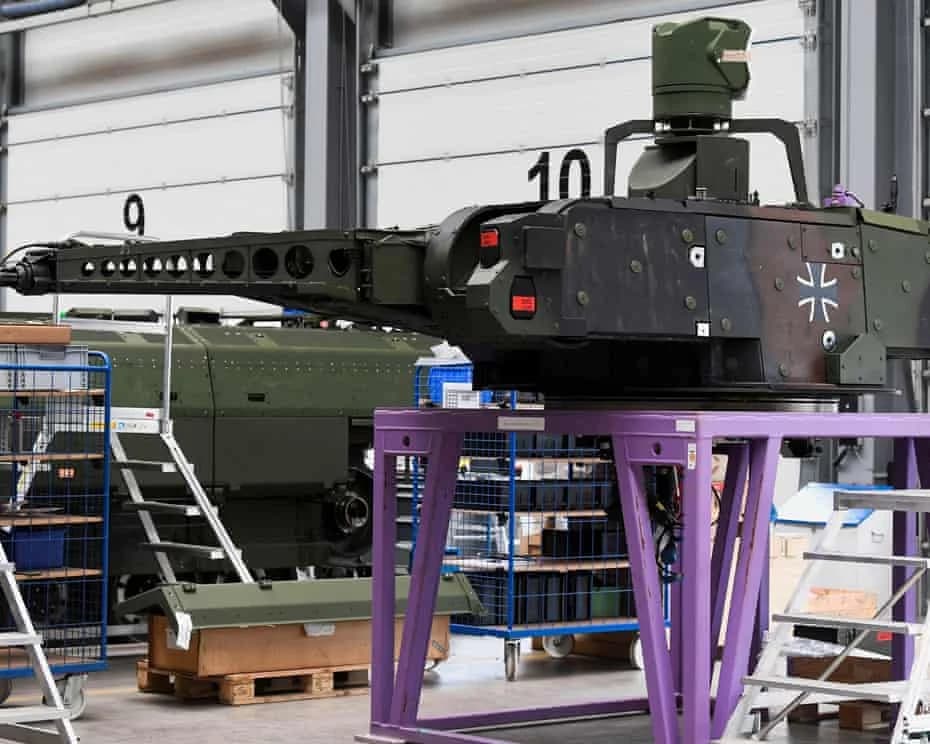
In 2025, Europe faces a critical juncture marked by mounting security threats and economic stagnation. The war in Ukraine, persistent geopolitical tensions, and a widening economic gap with the United States have forced European leaders to reconsider their defense and fiscal policies. A growing number of nations are pledging to increase military spending, but this raises fundamental questions about whether such investments will strengthen Europe’s economy or further strain its financial stability. Germany, historically known for its cautious fiscal policies, is leading the charge in reshaping Europe’s defense landscape. Chancellor-in-waiting Friedrich Merz has proposed a groundbreaking initiative to exempt military spending from Germany’s strict fiscal rules, known as the "debt brake." This move would facilitate a significant increase in defense funding without triggering automatic budget restrictions. In parallel, a €500 billion infrastructure fund is being discussed to modernize Germany’s critical sectors, including transportation, energy, and digital technology. The goal is not only to enhance national security but also to stimulate economic growth in an era of declining industrial output. Germany’s shift is indicative of a broader European trend. With NATO urging its members to meet or exceed the 2% GDP target for defense spending, multiple EU nations are revising their military budgets. Analysts at the Kiel Institute argue that raising defense expenditures to 3.5% of GDP—while prioritizing investments in domestic military technology—could add between 0.9% and 1.5% to annual GDP growth. This projection suggests that a well-executed defense strategy could serve as an economic catalyst rather than merely a financial burden. The expansion of Europe’s defense sector presents opportunities for industrial and technological advancement. Companies like Rheinmetall and Hensoldt, key players in Germany’s defense industry, are exploring ways to repurpose struggling automotive plants for military production. This strategic realignment could offset job losses in the auto sector while strengthening Europe’s manufacturing base. Financial markets have reacted positively to these developments. Following Germany’s announcement to relax fiscal constraints for defense spending, European stock markets surged. The DAX 30 index climbed by 3.6%, while German 30-year government bond yields saw their sharpest increase since 1998. Defense companies, including BAE Systems and Saab, experienced significant stock price gains, signaling investor confidence in the anticipated economic stimulus. However, the long-term sustainability of increased military spending remains uncertain. A significant portion of Europe’s defense budgets is currently allocated to purchasing foreign-made equipment, particularly from the United States. If this trend continues, much of the economic benefit from higher defense spending could flow out of Europe rather than contributing to domestic growth. Conversely, if European nations prioritize indigenous research, development, and production, they could foster technological innovation and create high-value jobs. The urgency behind Europe’s defense buildup is heightened by its growing economic disparity with the United States. Between 2010 and 2023, the United States’ cumulative GDP growth was 34%, compared to just 21% for the European Union. Additionally, U.S. GDP per capita remains nearly twice as high as that of Europe, reflecting a long-standing divergence in economic dynamism. One major factor contributing to this divide is Europe’s historically lower investment in emerging technologies. Unlike the U.S., which has leveraged its defense sector to drive technological advancements in areas such as artificial intelligence, cybersecurity, and space exploration, Europe has been more hesitant to integrate military spending with broader economic strategies. If European leaders strategically allocate their defense budgets toward high-tech industries, they could narrow the innovation gap and enhance global competitiveness. While increasing defense spending is a necessary response to current security threats, European policymakers must strike a delicate balance to avoid fiscal instability. Allowing higher deficits to finance military investments could strain national budgets, especially in countries already grappling with economic slowdowns. On the other hand, a well-managed defense strategy focused on domestic production, job creation, and technological innovation could serve as an economic engine rather than a liability. As European leaders prepare for upcoming high-level meetings, they face critical decisions that will shape the continent’s economic and security future. Whether increased military spending ultimately strengthens Europe’s position on the global stage or exacerbates its economic vulnerabilities will depend on the policies implemented in the coming years. A strategic, innovation-driven approach could ensure that Europe not only defends itself but also revitalizes its economy in the process.



Comments
No comments yet. Be the first to share a thought.