
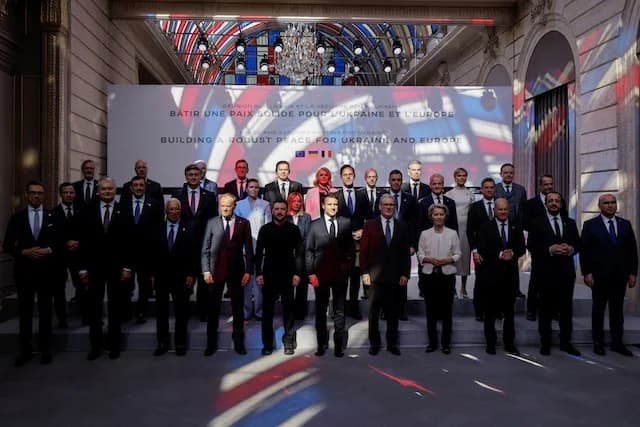
European leaders have firmly rejected Russia’s demand to lift Western sanctions in exchange for a ceasefire in the Black Sea, highlighting their continued influence in the negotiations to halt the war in Ukraine. With U.S. President Donald Trump seeking a deal with Russia, Europe's decisions remain critical, especially as Russia pushes for sanctions relief and the end of military aid to Ukraine. The European Union (EU) has made it clear that it will not ease sanctions on Russia at this stage. These sanctions, in place since Russia’s annexation of Crimea in 2014 and strengthened following Russ
European leaders have firmly rejected Russia’s demand to lift Western sanctions in exchange for a ceasefire in the Black Sea, highlighting their continued influence in the negotiations to halt the war in Ukraine. With U.S. President Donald Trump seeking a deal with Russia, Europe's decisions remain critical, especially as Russia pushes for sanctions relief and the end of military aid to Ukraine. The European Union (EU) has made it clear that it will not ease sanctions on Russia at this stage. These sanctions, in place since Russia’s annexation of Crimea in 2014 and strengthened following Russia’s invasion of Ukraine in February 2022, have had a significant impact on the Russian economy. Europe's rejection of Russia’s demands reflects a strategic effort to retain its leverage in broader negotiations. Any move to lift sanctions would be seen as undermining the pressure that the West has placed on Moscow to halt its military aggression and respect Ukraine’s sovereignty. Russia’s key demands — including sanctions relief and an end to military aid to Ukraine — require European buy-in. While the U.S. has been a major player in supporting Ukraine’s defense, European nations, particularly those in Eastern Europe, have also played a crucial role in providing military and financial assistance. This strong European commitment to Ukraine’s defense further complicates any potential agreement to halt military support, making it unlikely that these demands will be accepted by EU countries in the immediate term. President Trump’s negotiations with Russia are met with skepticism by many. His past actions, such as withdrawing from international agreements and shifting policies abruptly, have raised concerns about his reliability in securing a long-term peace deal. Some fear that Trump might prioritize a quick resolution over a sustainable peace, potentially compromising Europe’s security and Ukraine’s interests. Public opinion also leans heavily against lifting sanctions. Many commentators argue that easing sanctions would reward Russian aggression rather than deter it. This sentiment is widespread among those who view Russia’s actions in Ukraine as unacceptable, with little trust that Russia would adhere to any ceasefire or peace agreement without stringent conditions. As the situation continues to unfold, Europe’s position on sanctions will be crucial in determining the outcome of the conflict. The EU’s ability to maintain a unified stance while engaging in diplomatic efforts alongside the U.S. will play a significant role in shaping any future peace deal. Ultimately, Europe’s rejection of Russia’s demands reflects its commitment to both holding Moscow accountable and securing long-term peace for Ukraine.



Comments
No comments yet. Be the first to share a thought.