
The European Union is facing renewed scrutiny after Amnesty International strongly criticized its ongoing cooperation with Libya on migration management, raising concerns about the treatment of migrants intercepted and returned to the North African country. According to Amnesty International, while the EU argues that its partnership with Libya is aimed at combating human trafficking and reducing deaths in the Mediterranean Sea, there is growing evidence that many migrants returned to Libya face serious human rights violations. These include arbitrary detention, physical abuse, exploitation, a
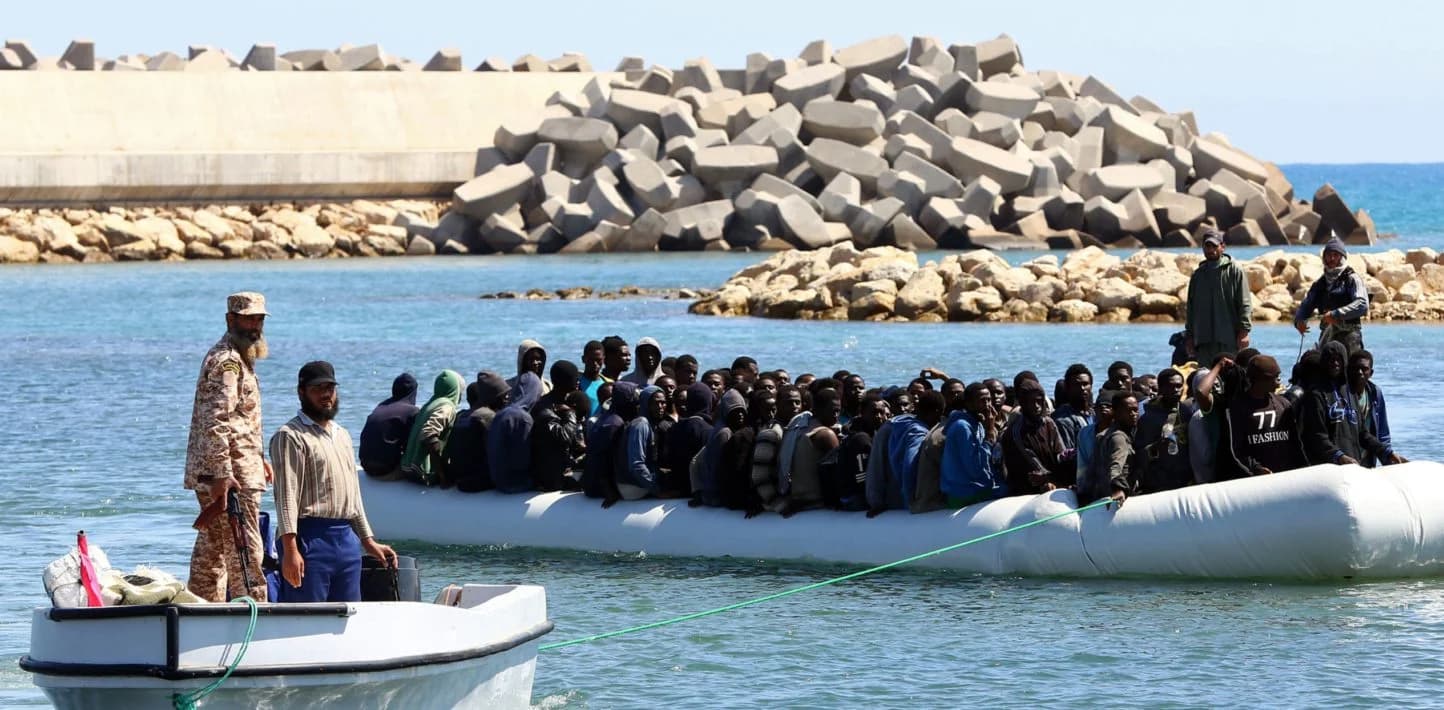
The European Union is facing renewed scrutiny after Amnesty International strongly criticized its ongoing cooperation with Libya on migration management, raising concerns about the treatment of migrants intercepted and returned to the North African country. According to Amnesty International, while the EU argues that its partnership with Libya is aimed at combating human trafficking and reducing deaths in the Mediterranean Sea, there is growing evidence that many migrants returned to Libya face serious human rights violations. These include arbitrary detention, physical abuse, exploitation, and discrimination. The rights group claims that migrants and refugees, particularly those from sub-Saharan African countries, continue to experience harsh treatment in Libya. Amnesty argues that many are subjected to racial discrimination and are often targeted because of their ethnicity or nationality. For years, the EU has provided financial support, training, and equipment to Libya’s coast guard to help prevent migrant boats from reaching European shores. However, critics contend that this policy effectively returns vulnerable individuals to conditions where they risk abuse and mistreatment. The controversy has reignited debate across Europe over how governments should balance border security with their obligations to protect human rights. Supporters of stricter migration controls argue that stronger border measures are necessary to manage migration flows, while human rights advocates insist that such policies must not come at the expense of human dignity and international legal protections. Amnesty International’s latest criticism is likely to increase pressure on EU leaders to justify their cooperation with Libya and demonstrate that their migration policies comply with international human rights standards. As migration remains one of the most politically sensitive issues in Europe, the dispute highlights the growing tension between efforts to secure borders and calls for greater protection of migrants and refugees seeking safety and opportunity.



Comments
No comments yet. Be the first to share a thought.