
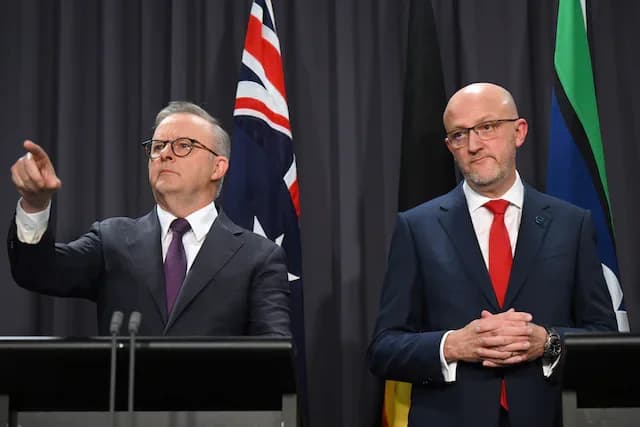
In a pivotal move to bolster national security, the federal government has raised Australia's National Terrorism Threat Level from "possible" to "probable". This significant shift in the threat level is a reflection of increased intelligence and heightened concerns over the likelihood of a terrorist attack occurring or being actively planned within the next twelve months. Australia’s National Terrorism Threat Level system is designed to gauge the risk of a terrorist attack and provide guidance for appropriate security measures. The "possible" level, which was previously in place, indicated th
In a pivotal move to bolster national security, the federal government has raised Australia's National Terrorism Threat Level from "possible" to "probable". This significant shift in the threat level is a reflection of increased intelligence and heightened concerns over the likelihood of a terrorist attack occurring or being actively planned within the next twelve months. Australia’s National Terrorism Threat Level system is designed to gauge the risk of a terrorist attack and provide guidance for appropriate security measures. The "possible" level, which was previously in place, indicated that there was a chance of an attack, but it was not imminent. The recent upgrade to "probable" signifies that the risk has escalated to the point where there is now a greater than fifty percent chance of a terrorist attack taking place or being in the planning stages domestically. The decision to elevate the threat level is based on a comprehensive assessment of various factors, including evolving global and regional threats, recent intelligence reports, and changes in the operational environment of extremist groups. Security agencies have identified specific indicators that suggest an increased risk of terrorism, prompting the government to act preemptively to ensure that Australia is better prepared for potential threats. Recent intelligence suggests that extremist groups may be actively plotting attacks or are in the advanced stages of planning, which has contributed to the government's decision. The increased threat level reflects the necessity for heightened vigilance and preparedness across all sectors of society. Prime Minister Anthony Albanese and Minister for Home Affairs have both underscored that the elevation of the threat level is a precautionary measure aimed at enhancing Australia’s security posture. The government is committed to deploying additional resources and implementing stronger security measures to address the heightened risk. In a joint statement, Anthony Albanesee, “While the increase in the threat level signifies a greater risk, it is important for Australians to remain calm and vigilant. We are taking this step to ensure that our security agencies have the tools and support they need to protect the community effectively.” Minister Anthony Albanese , “This adjustment to the threat level is based on robust intelligence assessments. We are working closely with state and territory governments, as well as international partners, to safeguard our nation and prevent any potential attacks.” With the threat level now classified as “probable,” Australians can expect to see an increase in security measures across various sectors, including transportation, public events, and critical infrastructure. Law enforcement agencies will be intensifying their operations, and additional resources will be allocated to support counter-terrorism efforts. Community engagement will also play a crucial role in the government’s approach to managing the heightened threat. Australians are encouraged to report any suspicious activities or concerns to authorities promptly. The government will continue to provide updates and guidance to the public to ensure that everyone is informed and prepared.



Comments
No comments yet. Be the first to share a thought.