
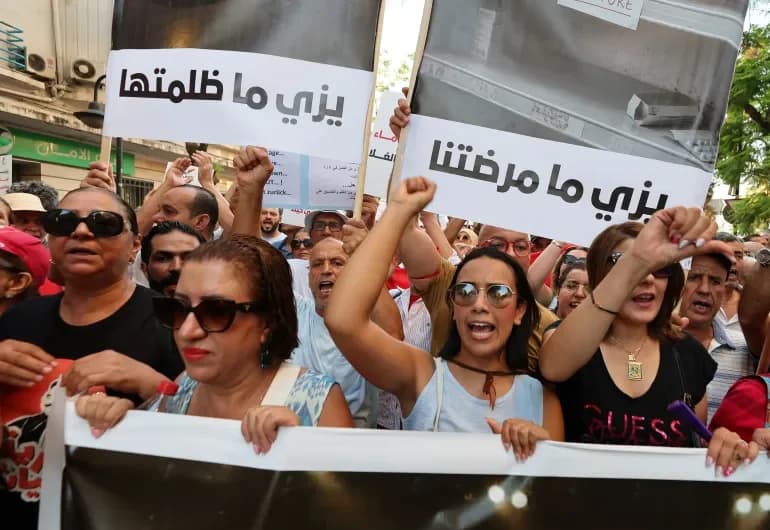
More than 15 years after Tunisians overthrew longtime President Zine El Abidine Ben Ali, familiar frustrations are once again being heard across the country. Protesters are reviving a slogan from the 2011 revolution: “Employment, freedom and national dignity.” But today, anger is increasingly driven by water shortages, electricity cuts, rising prices, medicine shortages and the struggle to make ends meet. The protests come five years after President Kais Saied suspended parliament, dismissed the government and began ruling by decree. Saied said his actions were necessary to end political par
More than 15 years after Tunisians overthrew longtime President Zine El Abidine Ben Ali, familiar frustrations are once again being heard across the country. Protesters are reviving a slogan from the 2011 revolution: “Employment, freedom and national dignity.” But today, anger is increasingly driven by water shortages, electricity cuts, rising prices, medicine shortages and the struggle to make ends meet. The protests come five years after President Kais Saied suspended parliament, dismissed the government and began ruling by decree. Saied said his actions were necessary to end political paralysis and corruption. Many Tunisians initially supported him after years of political instability and limited economic progress. Since then, Saied has dissolved parliament and overseen a 2022 constitution that greatly expanded presidential powers. Opposition politicians, journalists, lawyers and activists have faced arrests and prosecutions that rights groups describe as politically motivated. Civil society has also faced growing restrictions. At the same time, many of the economic problems that fuelled frustration before Saied's rise remain unresolved. Youth unemployment and weak public services continue to weigh heavily on households, while rising living costs have increased economic pressure. Saied's supporters argue that stronger presidential authority was necessary to restore stability and confront corruption. His critics say the concentration of power has weakened democratic institutions and reduced space for dissent. Five years after the turning point, Tunisia remains caught between demands for political accountability and the urgent need for economic improvement. The return of the revolution's old slogans suggests that the grievances behind the 2011 uprising have not disappeared.



Comments
No comments yet. Be the first to share a thought.