
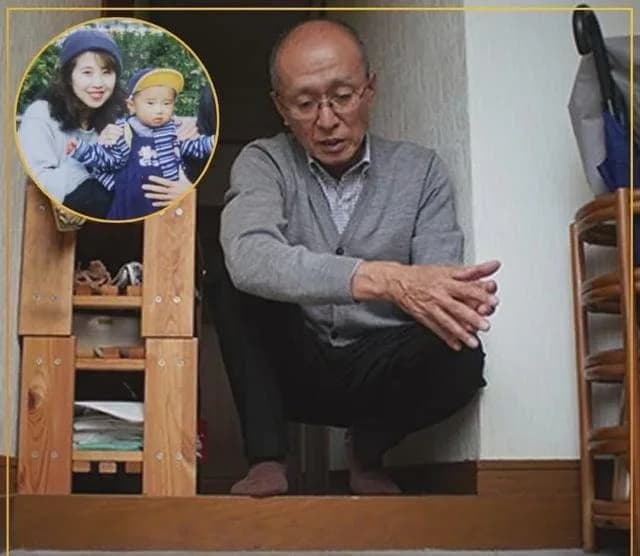
For 26 long years, the apartment remained a silent museum, a museum dedicated to the vibrant life and tragic death of Namiko Takaba. To the outside world, it was simply an empty unit. To Satoru Takaba, it was the only piece of the truth he had left. Refusing to let a single dust mite be disturbed, he faithfully paid the rent, month after agonizing month, holding onto a glimmering, seemingly impossible hope that time and technology would eventually catch up with the darkness of that fateful 1999 night. Today, we explore how one man's unwavering conviction and an empty apartment helped crack a t
For 26 long years, the apartment remained a silent museum, a museum dedicated to the vibrant life and tragic death of Namiko Takaba. To the outside world, it was simply an empty unit. To Satoru Takaba, it was the only piece of the truth he had left. Refusing to let a single dust mite be disturbed, he faithfully paid the rent, month after agonizing month, holding onto a glimmering, seemingly impossible hope that time and technology would eventually catch up with the darkness of that fateful 1999 night. Today, we explore how one man's unwavering conviction and an empty apartment helped crack a two decade old cold case using the very technology he placed all his trust in. In the early 1990s, Namiko Takaba was known as a dedicated piano teacher and a loving mother. Friends described her as the light of the household, whose music filled their small Nagayo area apartment with warmth. Satoru, an engineer with a meticulous mind, was deeply devoted to her and their 2 year old son. The image of the two, smiling and full of life, became a haunting symbol of what was lost. Their quiet life was shattered one evening in 1999, a day Satoru would relive for the next 26 years.
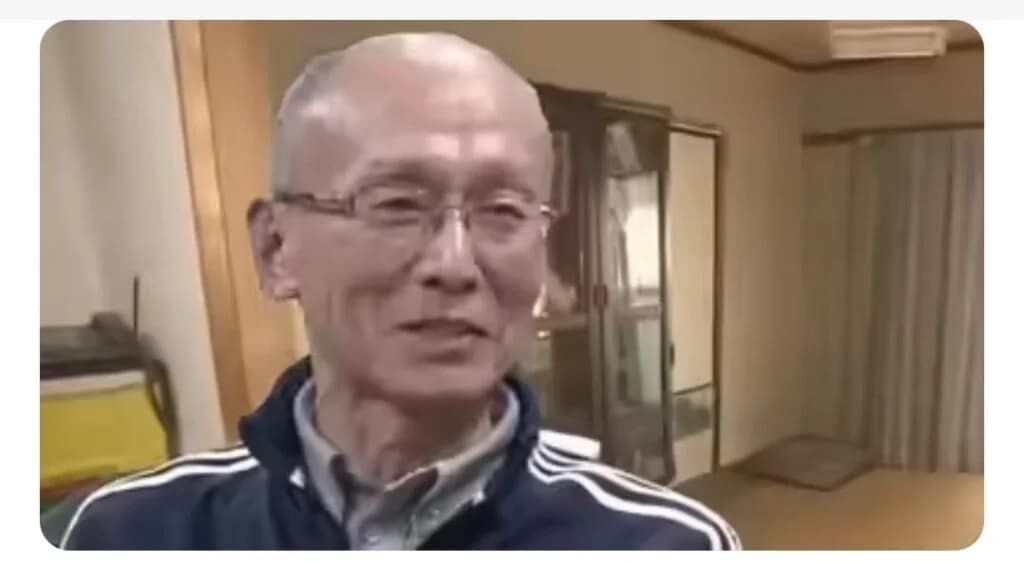
Satoru Takaba
Returning home from work, Satoru found the apartment door ajar and his worst nightmare realized. The scene was chaotic and brutal. His wife was gone, the shock was immediate, but so was a strange and powerful determination. While the police conducted their initial, standard investigation, Satoru saw a different path. "The moment I understood the initial investigation might stall," a close friend of Satoru, speaking anonymously, revealed, "he made a choice. He said, 'If they can't find the truth now, the truth must wait here until they can.' It wasn't about holding onto grief, it was about protecting the only real evidence he had." Against all advice from friends and even investigators, Satoru decided to preserve the scene exactly as it was. No cleaning, no new occupants, just an empty space, frozen in time. For twenty six years, Satoru structured his life around that single payment. He moved into a small, functional space elsewhere, channeling every spare yen toward the rent of the empty apartment. When asked about it in a rare 2015 interview for a Japanese documentary, a weary but resolute Satoru simply stated, "Science is precise, eventually, the science will have the answer. I just have to make sure the evidence is still there to be asked." He lived simply, his only indulgence being his unwavering faith that his calculations and his hope were correct. In late 2025, the impossible happened, a specialized cold case unit, newly formed and equipped with the latest next generation sequencing (NGS) equipment, decided to take a fresh look at some of Tokyo's most notorious unresolved files. They contacted Satoru, knowing about his unique and well documented preservation. A small, almost imperceptible trace of DNA, a minuscule sample on a fabric surface was recovered from the scene. 26 years prior, it had been labeled insufficient and contaminated. With the new technology, it was not only sufficient but yielded a clear, definitive genetic profile. The suspect was quickly apprehended, this person, who had committed other offenses and was already in the justice system, was linked to the 1999 murder with a precision that would have been unimaginable to the first detectives on the scene. Satoru's math was correct. His gamble, which had cost him immense financial and emotional capital, had paid off. His faith in the slow, methodical march of science was vindicated. He finally had his answer, and his silent museum of grief and evidence could finally be closed. Satoru has fulfilled his self imposed mission, He finally grieve, not a case that went cold, but a loved one whose life was taken. While it's easy to focus on the technology that ultimately solved the case, the real takeaway is the power of a single, human element, unwavering conviction. In a world that often wants to move past tragedy, Satoru stood perfectly still, and in doing so, allowed justice to finally arrive.



Comments
No comments yet. Be the first to share a thought.