
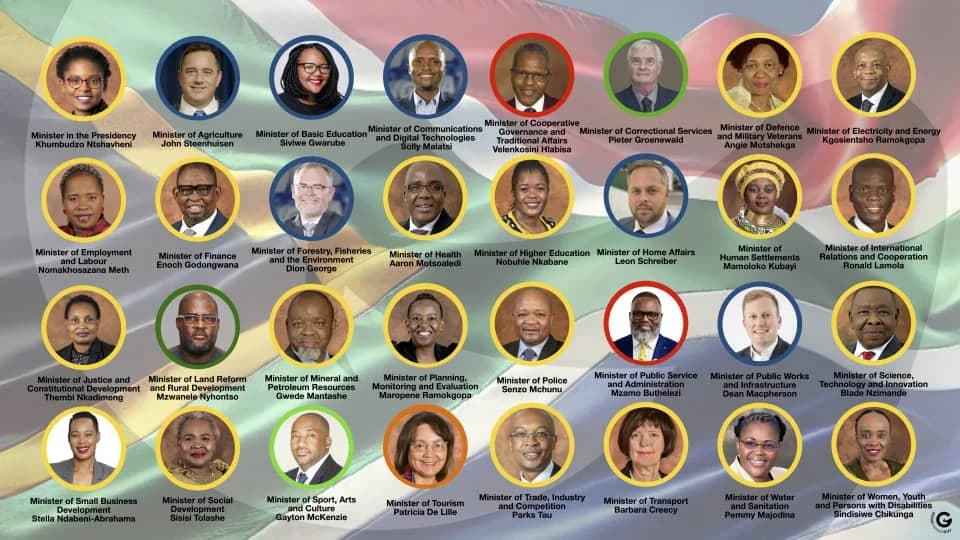
South Africa's political landscape has undergone a significant transformation following the recent elections. For the first time in decades, the African National Congress (ANC), the party that has dominated the nation's politics since the end of apartheid, lost its parliamentary majority. This monumental shift has led to the formation of a government of national unity, marking a new era in South Africa's governance. President Cyril Ramaphosa's Announcement On Sunday evening, President Cyril Ramaphosa unveiled the composition of his new cabinet, a crucial step in establishing the government o
South Africa's political landscape has undergone a significant transformation following the recent elections. For the first time in decades, the African National Congress (ANC), the party that has dominated the nation's politics since the end of apartheid, lost its parliamentary majority. This monumental shift has led to the formation of a government of national unity, marking a new era in South Africa's governance. President Cyril Ramaphosa's Announcement On Sunday evening, President Cyril Ramaphosa unveiled the composition of his new cabinet, a crucial step in establishing the government of national unity. The announcement came after weeks of intense negotiations and deadlock, highlighting the complexities of forming a coalition government in a deeply fragmented political environment. A Diverse and Inclusive Cabinet The newly appointed cabinet comprises 32 ministerial positions, reflecting a broad spectrum of political affiliations and expertise. This diversity is not just a response to the electoral loss but also a strategic move to foster inclusivity and collaboration among different political factions. By bringing together leaders from various parties, President Ramaphosa aims to create a more balanced and representative government that can address the country's pressing issues more effectively. Challenges and Opportunities The formation of this cabinet has not been without its challenges. The weeks of deadlock underscore the difficulties in reconciling different political agendas and priorities. However, this period of negotiation also represents an opportunity for South Africa to embark on a path of more cooperative and inclusive governance. President Ramaphosa's leadership will be crucial in navigating the complexities of this new political landscape. His ability to foster collaboration among the cabinet members and to build consensus on critical issues will determine the success of this government of national unity. Implications for South Africa's Future The establishment of a coalition government marks a significant departure from the ANC's historical dominance. This shift could lead to more robust democratic processes, with greater checks and balances and a more active engagement from various political entities. For the South African populace, the new government presents a promise of more inclusive and representative governance. The involvement of multiple parties in decision-making processes could lead to more comprehensive and effective policies that address the diverse needs and aspirations of South Africa's citizens.



Comments
No comments yet. Be the first to share a thought.