
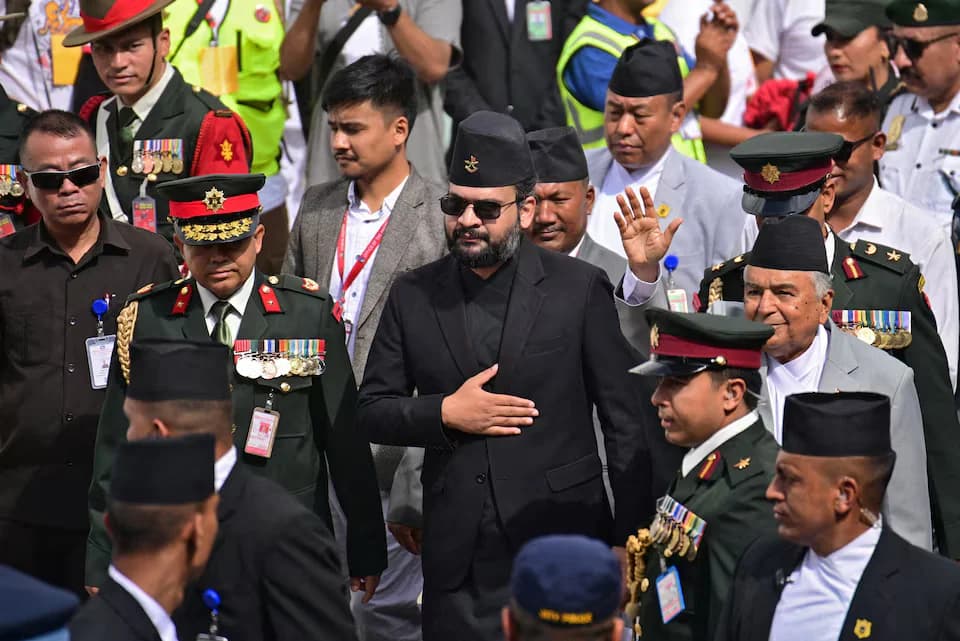
Nepal’s political landscape is heading into a pivotal moment as Balendra Shah, a former rapper turned Kathmandu mayor, prepares to run for prime minister in upcoming parliamentary elections, following months of youth-led protests that shook the country’s political establishment. Shah, widely known as “Balen,” has entered into an alliance with the Rastriya Swatantra Party (RSP), a relatively new political force led by former television host turned politician Rabi Lamichhane. Party officials confirmed that under the agreement, the 35-year-old mayor will be the prime ministerial candidate if the
Nepal’s political landscape is heading into a pivotal moment as Balendra Shah, a former rapper turned Kathmandu mayor, prepares to run for prime minister in upcoming parliamentary elections, following months of youth-led protests that shook the country’s political establishment.
Shah, widely known as “Balen,” has entered into an alliance with the Rastriya Swatantra Party (RSP), a relatively new political force led by former television host turned politician Rabi Lamichhane. Party officials confirmed that under the agreement, the 35-year-old mayor will be the prime ministerial candidate if the RSP secures victory in the March 5 elections, while Lamichhane, 48, will remain party leader.
The alliance comes in the wake of Gen Z–driven protests in September against corruption, misgovernance, and entrenched political elites. The demonstrations turned deadly, leaving 77 people killed, and ultimately forced the resignation of then–Prime Minister K.P. Sharma Oli. Both Shah and Lamichhane have pledged to respond directly to the demands raised by young protesters, who have increasingly voiced frustration with Nepal’s traditional political parties.
Political analysts say the move could significantly reshape the electoral contest. “It is a very smart and strategic move by the RSP to bring in Balen and his young supporters into its fold,” said analyst Bipin Adhikari, noting that established parties fear losing young voters to the new alliance. According to Nepal’s election commission, nearly 19 million people out of a population of 30 million are eligible to vote, with almost one million new voters—mostly youths— added following the protests.
Shah rose to national prominence during the unrest and was widely seen as an informal leader of the youth movement, even though critics argue he rarely appeared in public during demonstrations and relied heavily on social media to communicate with supporters. He later played a role in forming an interim government led by former Chief Justice Sushila Karki, which is overseeing preparations for the elections.
For decades, Nepal’s politics has been dominated by the Communist Party of Nepal (Unified Marxist-Leninist) and the Nepali Congress, parties that have alternated power since the 1990s. Both now face what could be their most serious challenge yet. Lamichhane’s RSP, formed ahead of the 2022 elections, gained popularity through his high-profile anti-corruption stance as a television host.
However, the new alliance is not without controversy. Lamichhane is currently out on bail over allegations related to the misuse of cooperative funds collected from small depositors, a case that continues to draw scrutiny. The Nepali Congress has downplayed the political impact of the partnership. Party spokesperson Prakash Sharan Mahat described both Shah and Lamichhane as “controversial” figures and dismissed suggestions of a political upheaval. “People will still choose the old and experienced parties,” he said.
As Nepal approaches the March vote, the emergence of a former rapper as a serious contender for the country’s highest office underscores a broader shift driven by youth activism, public anger over corruption, and a growing appetite for political alternatives beyond the traditional elite.
Source: Reuters
Comments
No comments yet. Be the first to share a thought.