
Kenya has been rocked by deadly protests and nationwide transport strikes after the government announced a sharp increase in fuel prices, worsening the already difficult cost of living for millions of citizens. At least four people have been confirmed dead while more than 30 others were injured during violent clashes between protesters and police across different parts of the country. According to Interior Minister Kipchumba Murkomen, authorities also arrested 348 people linked to the demonstrations. The protests brought major cities, especially Nairobi, to a standstill on Monday as thousand
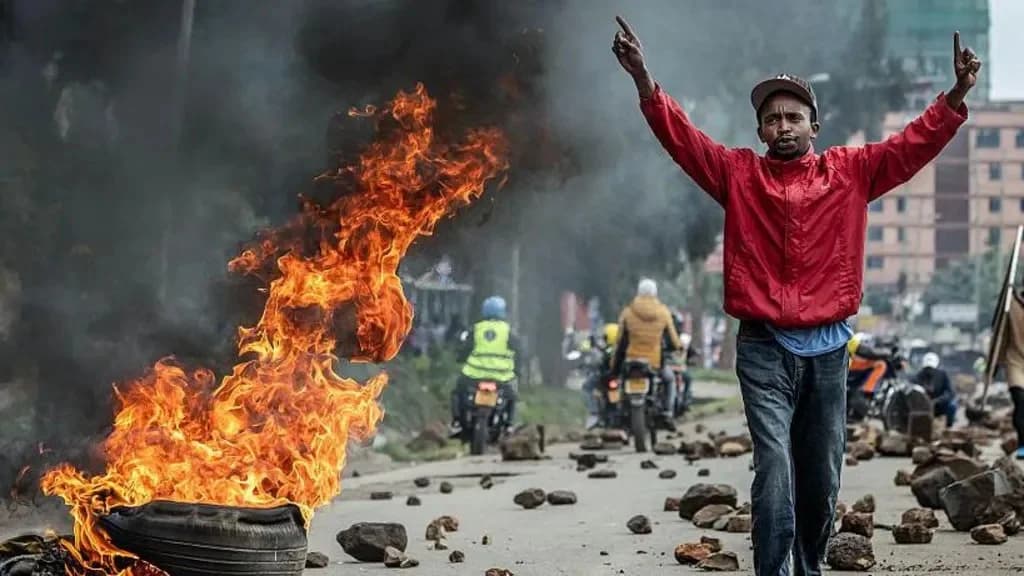
Kenya has been rocked by deadly protests and nationwide transport strikes after the government announced a sharp increase in fuel prices, worsening the already difficult cost of living for millions of citizens. At least four people have been confirmed dead while more than 30 others were injured during violent clashes between protesters and police across different parts of the country. According to Interior Minister Kipchumba Murkomen, authorities also arrested 348 people linked to the demonstrations. The protests brought major cities, especially Nairobi, to a standstill on Monday as thousands of commuters were stranded after public transport operators joined a nationwide strike. Several businesses remained closed while schools advised students to stay home because of insecurity and transport disruption. Demonstrators blocked roads using burning tyres and barricades, accusing President William Ruto’s government of failing to protect ordinary Kenyans from soaring fuel costs and the increasing price of basic commodities. Fuel prices in Kenya recently rose by more than 20%, pushing petrol and diesel to historic highs. The Energy and Petroleum Regulatory Authority (EPRA) increased fuel prices to about 242 Kenyan shillings per litre, a move that immediately triggered anger among transport operators and citizens. The government says the crisis is partly linked to global oil market instability caused by tensions in the Middle East, particularly the conflict involving the United States, Israel and Iran. Although a ceasefire was declared, oil transportation through the Strait of Hormuz remains disrupted, affecting countries like Kenya that depend heavily on imported fuel. In Nairobi, many passengers spent hours stranded at bus stations after matatus and buses stopped operating. Transport fares also doubled in some areas, increasing pressure on struggling families. “There is no matatu anywhere. We used to pay 100 shillings, now it is 300. Life is becoming unbearable,” one frustrated commuter told Reuters. Police responded with tear gas in several areas after protesters reportedly harassed motorists and blocked highways. Nairobi police commander Issa Mohamud confirmed that six police officers were injured during the clashes, while several police vehicles were damaged. The Transport Sector Alliance (TSA), which coordinated the strike, defended the protests and said Kenyans were suffering because of high fuel costs and expensive living conditions. The alliance wants the government to reverse the latest fuel price increase and reduce prices by at least 35%. However, the government insists that violence and destruction will not solve the problem. Interior Minister Murkomen accused political actors of hijacking the protests for political gain. Treasury Minister John Mbadi admitted that the rise in fuel prices was hurting the economy but described the strike as unnecessary. He said Kenya could not solve a global oil crisis using local political pressure. Despite the government reducing fuel VAT from 16% to 8% last month, many Kenyans believe more measures are needed as food prices and transport costs continue to rise sharply. With no agreement yet reached between the government and transport operators, fears remain that more protests and transport disruptions could continue in the coming days.



Comments
No comments yet. Be the first to share a thought.