
When Keir Starmer entered Downing Street after Labour’s historic election victory in 2024, many saw him as the leader who would rebuild Britain’s confidence in politics. His victory gave Labour a strong mandate and created expectations of stability after years of political turbulence. But less than two years later, the same leadership that promised a new beginning became the centre of a political crisis that ended with Starmer announcing his resignation as Prime Minister. Starmer’s downfall was not caused by one single event. Instead, it was a combination of growing internal pressure within
When Keir Starmer entered Downing Street after Labour’s historic election victory in 2024, many saw him as the leader who would rebuild Britain’s confidence in politics. His victory gave Labour a strong mandate and created expectations of stability after years of political turbulence.

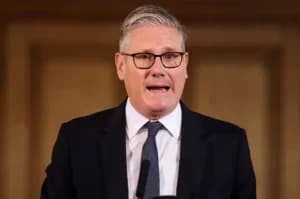
But less than two years later, the same leadership that promised a new beginning became the centre of a political crisis that ended with Starmer announcing his resignation as Prime Minister. Starmer’s downfall was not caused by one single event. Instead, it was a combination of growing internal pressure within Labour, declining popularity among voters, criticism over government decisions and fears among MPs that the party was losing public support. The victory that quickly turned into a challenge Starmer came to power promising a different style of leadership — one based on discipline, economic recovery and rebuilding public services. However, maintaining that support proved difficult as the government faced questions over the cost of living, healthcare, immigration and economic direction. For many Labour supporters, the question became whether Starmer’s government was delivering enough change after such a major electoral victory. A crisis from within The biggest threat came not only from opposition parties but from inside Labour itself. Senior figures and MPs increasingly questioned the future of his leadership, with pressure building for him to set a timetable for departure. The rise of Andy Burnham as a possible successor added more pressure, creating a debate about whether Labour needed a new face before the next general election. What Starmer’s resignation means for Britain Starmer’s exit opens a new chapter for British politics. Labour must now decide whether it needs a change of leadership or a complete change of direction. The bigger question is not only who replaces Starmer, but whether a new leader can restore trust among voters who have become increasingly frustrated with political promises that fail to produce quick results. A lesson from Starmer’s fall Keir Starmer’s story shows that winning an election is only the beginning of political survival. A large majority in parliament can bring power, but maintaining public confidence requires clear communication, strong decisions and a connection with the people who voted by chance



Comments
No comments yet. Be the first to share a thought.