
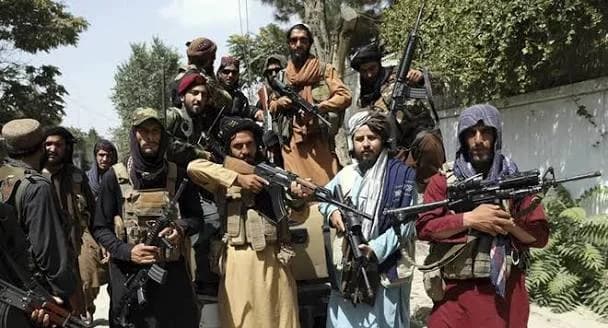
In the landscape of modern global security, the label Islamic terrorism is a term that major international bodies and scholars approach with caution. While data from 2025 and early 2026 shows that several of the world's most active and deadliest designated terrorist organizations, such as the Islamic State (IS) and Al-Qaeda claim to act in the name of Islam, global leaders and Islamic theologians argue that these groups are driven more by political instability and radicalized ideologies than by the tenets of the Quran. According to the United States Department of State, of the approximately m
In the landscape of modern global security, the label Islamic terrorism is a term that major international bodies and scholars approach with caution. While data from 2025 and early 2026 shows that several of the world's most active and deadliest designated terrorist organizations, such as the Islamic State (IS) and Al-Qaeda claim to act in the name of Islam, global leaders and Islamic theologians argue that these groups are driven more by political instability and radicalized ideologies than by the tenets of the Quran. According to the United States Department of State, of the approximately more than 70 designated foreign terrorist organizations (FTOs), roughly half to two-thirds are groups that identify with Jihadist or Islamist ideologies. The United Nations sanctions list contains hundreds of individuals and entities. A significant portion of these are concentrated in the Sahel region of Africa, the Middle East, and parts of South Asia.
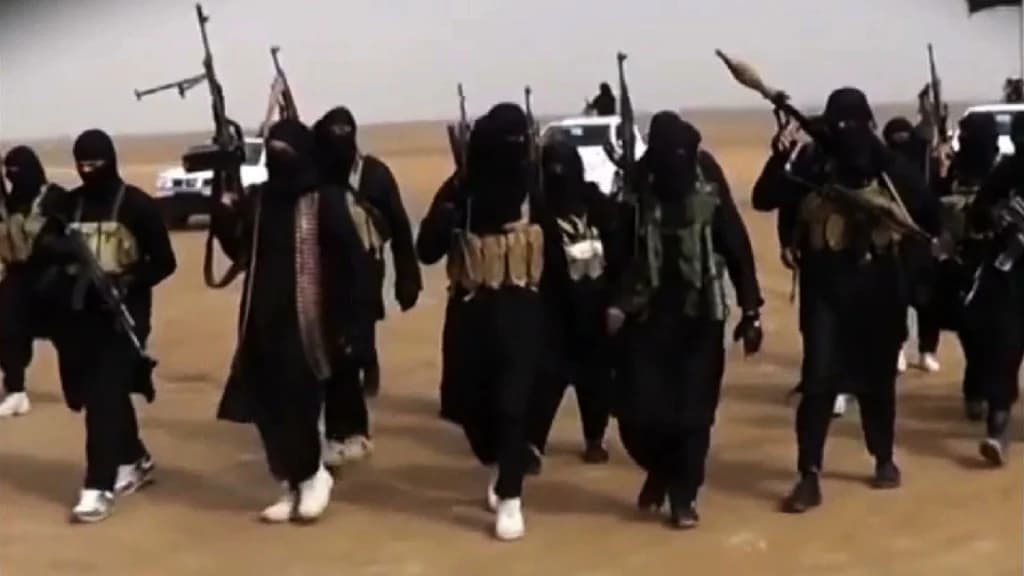
The 2025 global terrorism index noted that while religiously motivated attacks remain high in the global south (specifically the Sahel), politically motivated lone wolf attacks including far-right and far-left extremism have overtaken religious attacks in many Western nations. Extremist groups often cherry-pick Sword Verses (like Surah 9:5 or 9:29), but mainstream scholars point to the foundational ethics of the Quran which emphasize the sanctity of life. "If anyone slays a human being, unless it be [in punishment] for murder or for spreading corruption on earth, it shall be as though he had slain all mankind..." Quran 5:32. The Prophet Muhammad strictly forbade the killing of women, children, and non-combatants, even during war. Many scholars argue that verses regarding fighting were revealed specifically for self-defense against active persecution, not for offensive global terror. The global Muslim community has consistently moved to distance the faith from the actions of these groups.
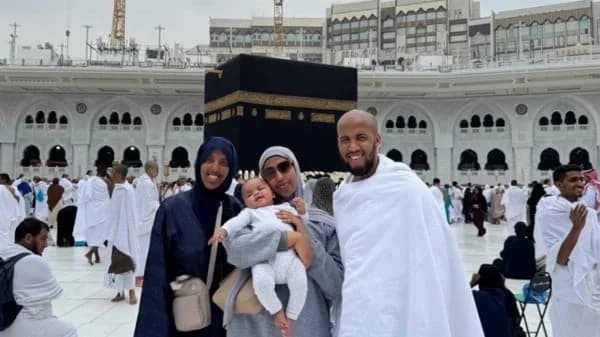
The Al-Azhar University (Egypt), one of the most prestigious centers of Islamic learning, it has repeatedly issued fatwas (legal rulings) stating that terrorists are "criminals who do not represent Islam" and that their actions are a betrayal of the Prophet's teachings. Grand Mufti of Saudi Arabia has described extremist groups like ISIS and Al-Qaeda as "the number one enemy of Islam," arguing that they damage the image of the religion more than its external critics. The narrative of many terrorist groups being linked to Islam is a byproduct of high-profile factions using religious branding to recruit and justify political goals. However, the data reveals a more nuanced reality, most victims of these groups are themselves Muslims, and the primary centers of Islamic authority worldwide view these organizations as heretical deviations from a faith that centers on the word Salam (peace).



Comments
No comments yet. Be the first to share a thought.